QR codes are used across industries to connect physical spaces with digital experiences instantly. From marketing and retail to education and healthcare, QR codes simplify information sharing, improve customer engagement, and reduce friction. This guide explores the most effective use cases for QR codes across industries and explains why they continue to be widely adopted for both personal and business needs.
Why QR Codes Are Used Across So Many Industries
QR codes are widely adopted because they offer a fast and frictionless way to share information. A single scan removes the need for typing links, searching manually, or installing additional tools.
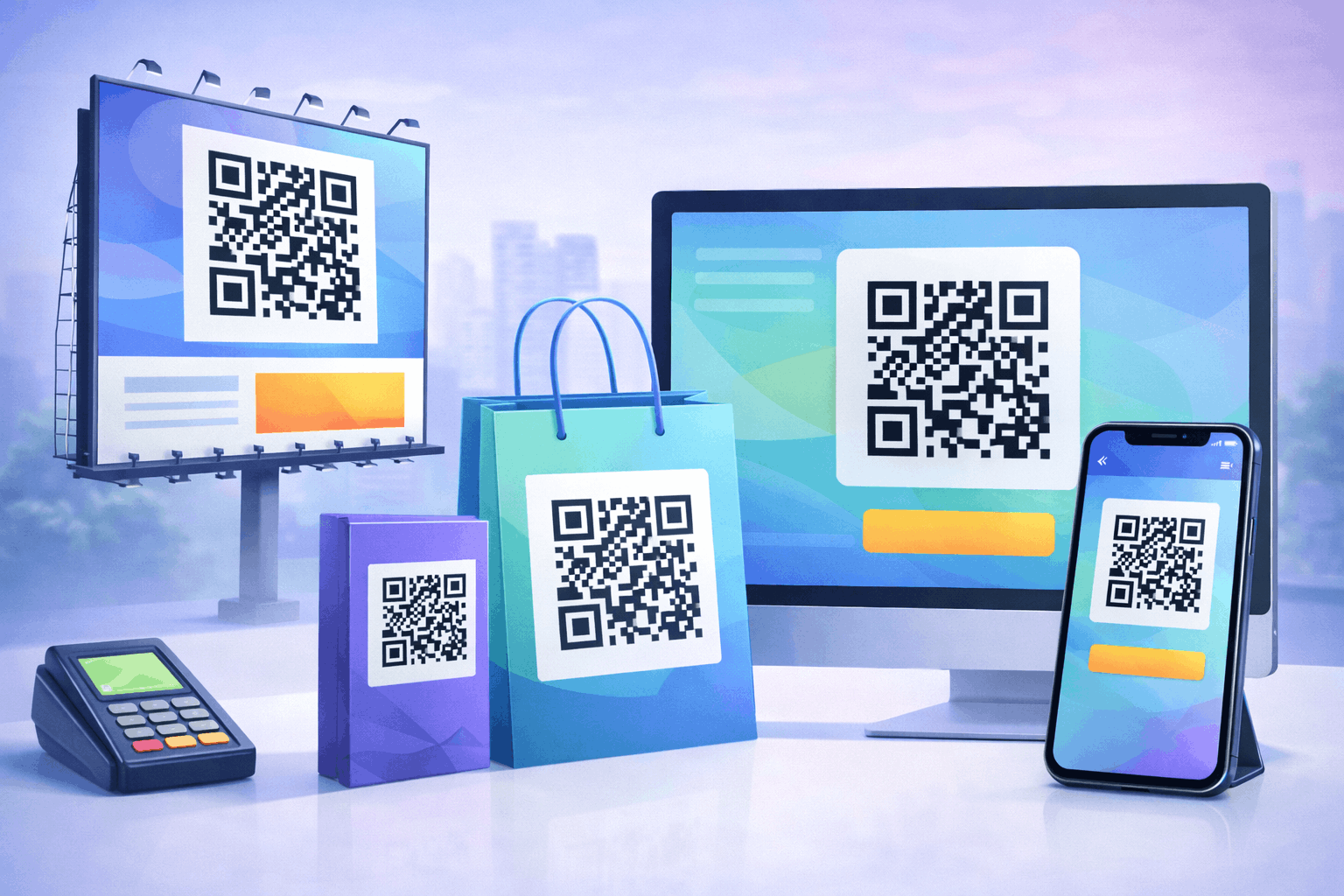
Their flexibility allows them to be used on printed materials, screens, packaging, and signage. QR codes also work across devices, making them accessible to a broad audience without technical barriers.
As digital and physical interactions continue to merge, QR codes serve as a reliable bridge between the two. This adaptability explains why they are used across such a wide range of industries today.
Marketing and Advertising
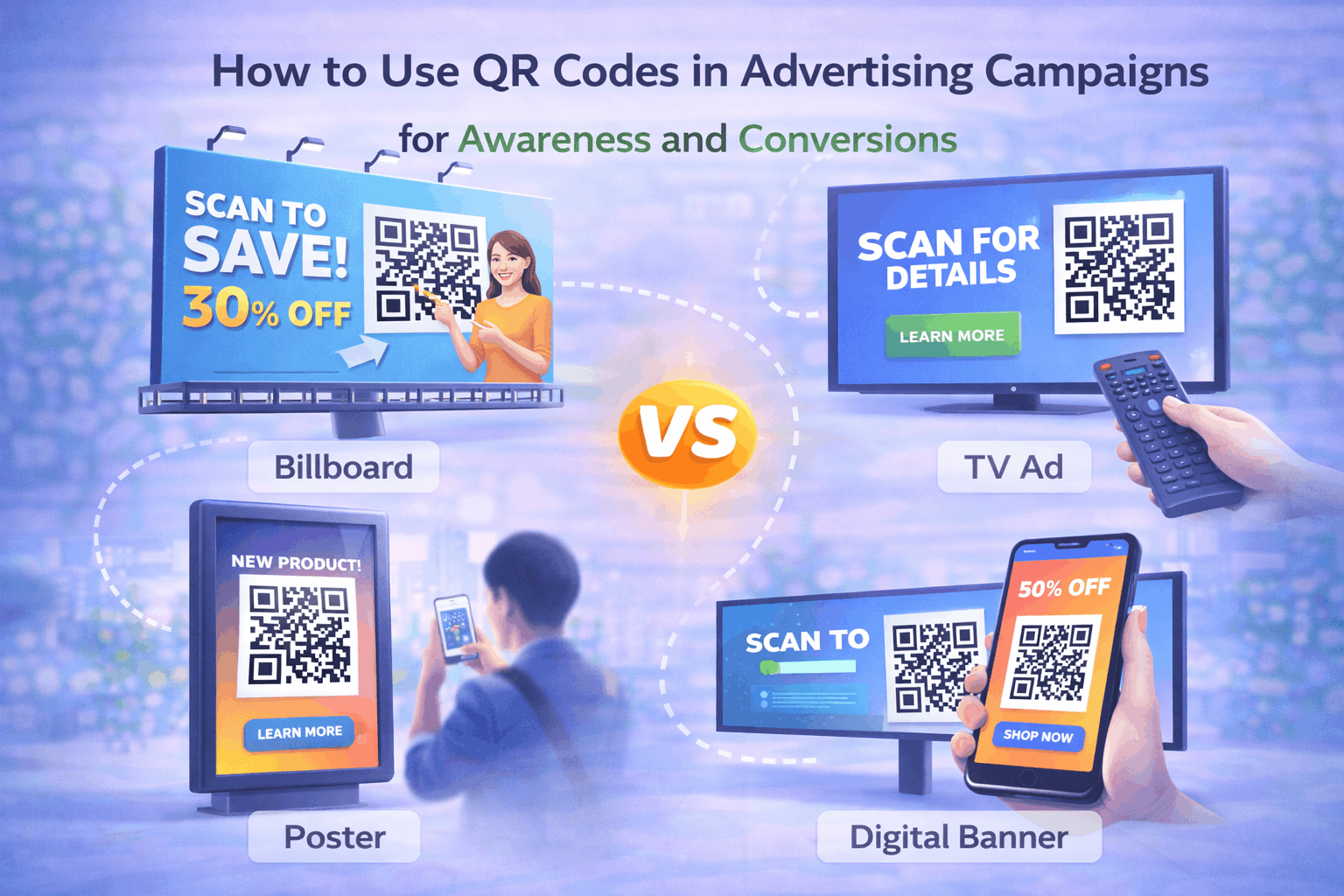
Marketing and advertising were among the earliest non industrial adopters of QR codes. Brands use QR codes to drive users from offline campaigns to digital destinations such as landing pages, videos, or promotional offers.
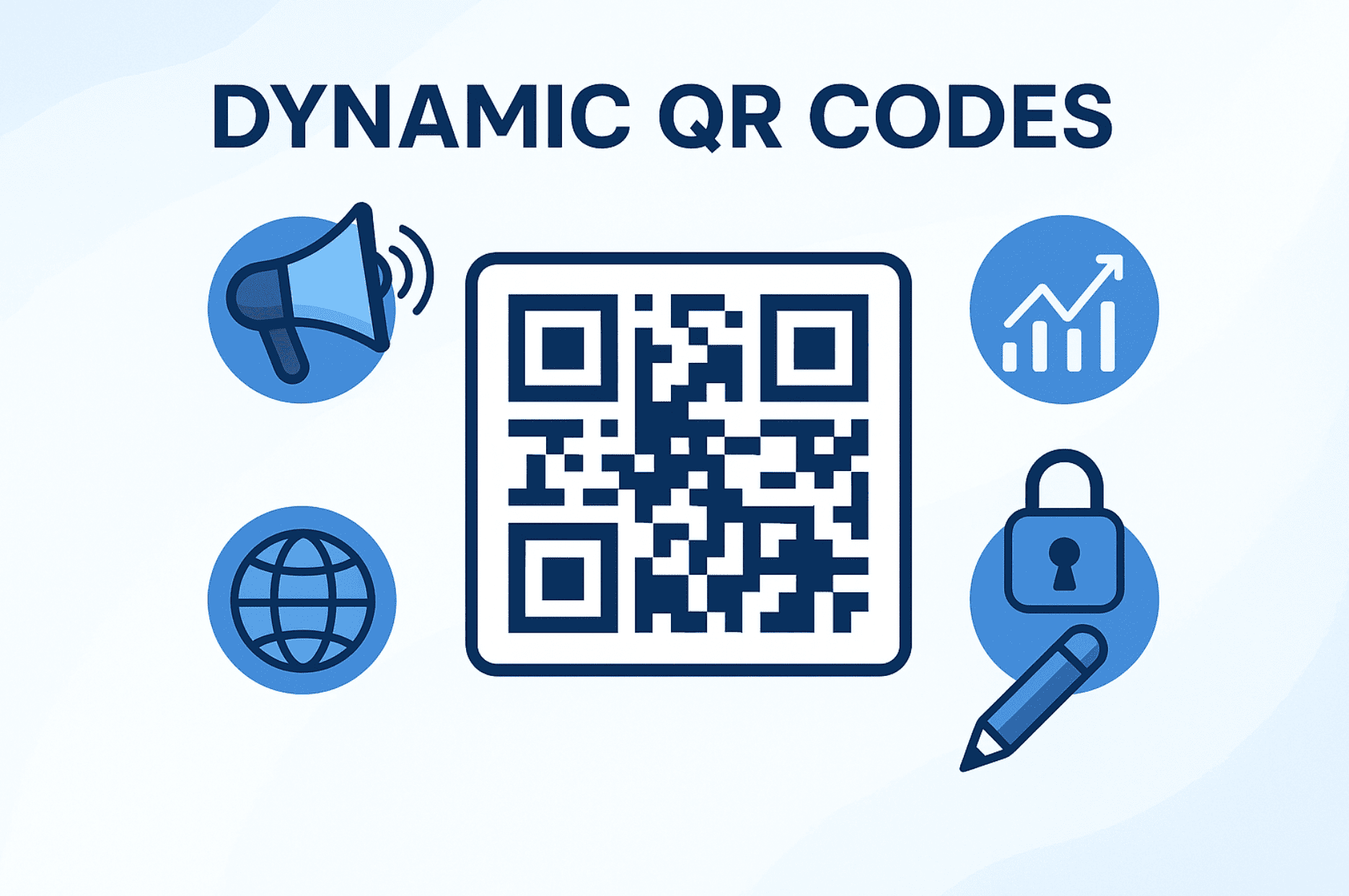
QR codes on posters, flyers, and billboards allow marketers to track engagement and measure campaign effectiveness. This is especially valuable when using Dynamic QR Code Generator tools that support updates and analytics.
QR codes also help reduce clutter in marketing materials by replacing long URLs with a simple scan, improving both design and user experience.
Retail and Product Packaging
In retail, QR codes are commonly used on product packaging to provide additional information beyond what fits on a label. Customers can scan a QR code to view product details, instructions, or authenticity verification.
Brands also use QR codes to share promotions, collect feedback, or link to reorder pages. This creates a more interactive shopping experience without changing packaging frequently.
Retail focused businesses often rely on QR Code Generator for Business platforms to manage QR codes across multiple products and campaigns efficiently.
Payments, Donations, and Digital Transactions
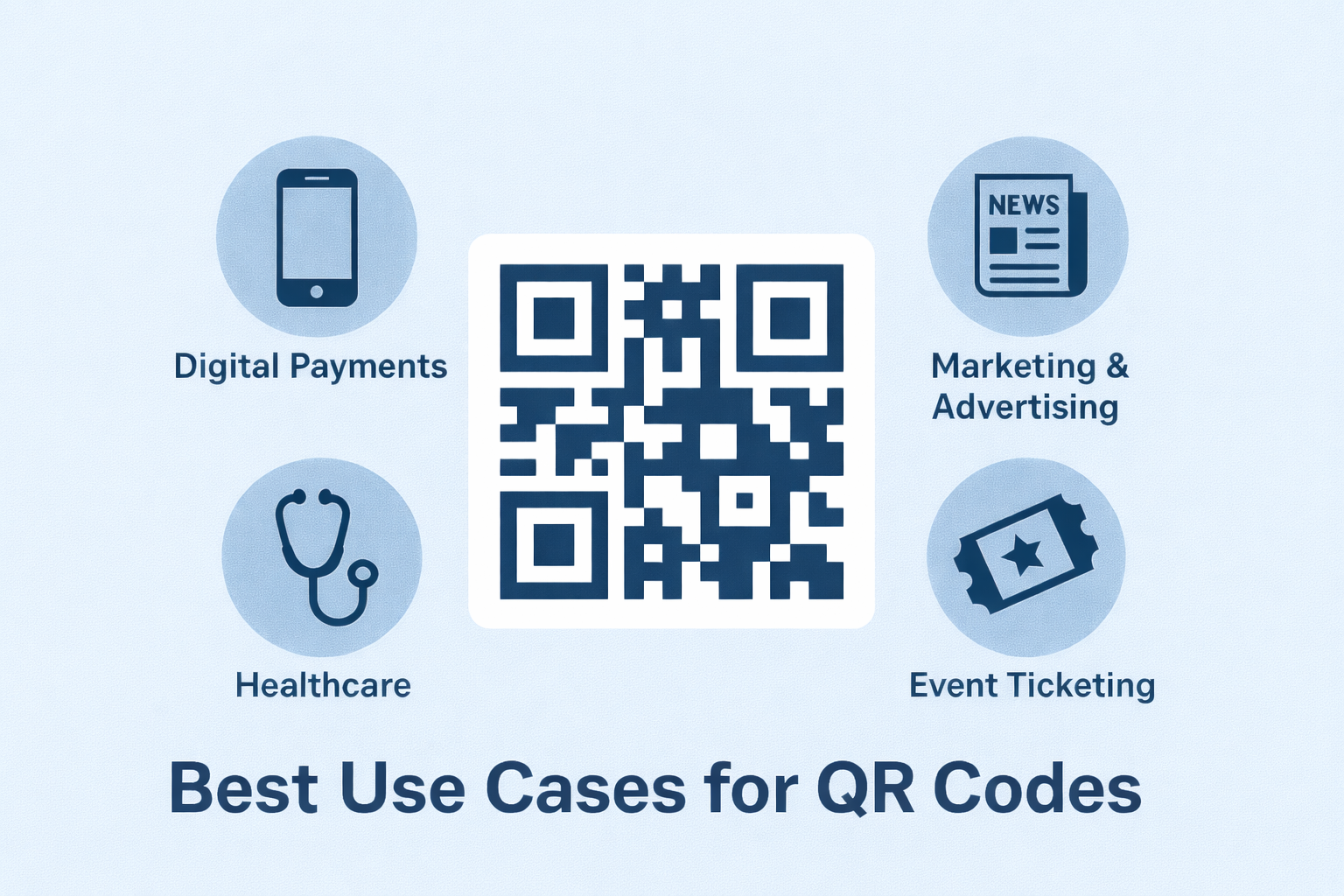
QR codes play an important role in enabling quick and contactless payments. Users can scan a QR code to complete transactions without handling cash or entering payment details manually.
They are also widely used for donations, allowing organizations to collect contributions easily through mobile devices. This is particularly useful in public spaces, events, and fundraising campaigns.
Payment related QR codes reduce friction and improve transaction speed, making them suitable for both small businesses and large organizations.
Events and Ticketing
Events and ticketing systems frequently use QR codes for registration, entry validation, and information sharing. Attendees can scan QR codes to access tickets, schedules, or venue maps.
Event organizers use QR codes to streamline check in processes and reduce manual verification. QR codes also help manage crowd flow and improve operational efficiency.
For events that change frequently, dynamic QR codes allow organizers to update information without reprinting materials.
Restaurants and Hospitality
Restaurants and hospitality businesses use QR codes to offer digital menus, ordering systems, and guest information. QR codes placed on tables or displays allow customers to access menus instantly on their phones.
Hotels use QR codes to share Wi-Fi access details, room service menus, and local recommendations. This reduces the need for printed materials and enhances guest convenience.
Many hospitality businesses use QR codes to maintain flexibility and provide up to date information without constant reprints.
Education and Training
In education and training environments, QR codes help distribute learning resources efficiently. Teachers and trainers use QR codes to share documents, videos, or assignments with students.
QR codes are also used in classrooms, workshops, and training sessions to provide quick access to supplementary materials. This improves engagement and supports blended learning approaches.
Educational institutions benefit from QR codes because they simplify content sharing and reduce administrative overhead.
Healthcare and Medical
Healthcare and medical organizations use QR codes to share patient information, appointment details, and educational resources. QR codes can be placed on forms, prescriptions, or signage to provide quick access to relevant information.
Hospitals use QR codes to guide visitors, share instructions, or link to feedback forms. This improves communication while reducing physical contact.
When used responsibly, QR codes help healthcare providers deliver information efficiently and accurately.
Recruitment, Resumes, and Digital Portfolios
QR codes are increasingly used in recruitment and professional networking. Job seekers include QR codes on resumes or business cards to link to online portfolios, profiles, or work samples.
Recruiters use QR codes in job postings to direct candidates to application forms or role descriptions. This simplifies the application process and improves candidate experience.
QR codes also help professionals keep their profiles up to date without reprinting materials.
Customer Engagement and Feedback
Businesses use QR codes to collect customer feedback, reviews, and survey responses. A QR code placed at the point of interaction allows customers to share feedback instantly.
This approach increases response rates by reducing effort and making feedback accessible. QR codes can link to review platforms, feedback forms, or customer support pages.
Customer engagement focused QR codes are often managed through QR Code Generator with Analytics tools to track interactions and improve service quality.
Wi-Fi Access Sharing
QR codes are commonly used to share Wi-Fi access details in homes, offices, cafes, and public spaces. Scanning a QR code allows users to connect to a network without typing passwords.
This improves convenience and reduces connection errors. Wi-Fi QR codes are especially useful in environments where many users need temporary access.
They are simple to create and widely supported across devices.
Smart Product Labels and Traceability
Smart product labels use QR codes to provide traceability and transparency. Customers can scan a QR code to view product origin, manufacturing details, or sustainability information.
This is particularly useful in industries such as food, fashion, and electronics where transparency builds trust. QR codes enable brands to share detailed information without overcrowding labels.
Traceability focused QR codes also support quality control and compliance efforts.
Logistics and Supply Chain Tracking
In logistics and supply chain management, QR codes are used to track shipments, inventory, and assets. QR codes help identify items quickly and reduce manual data entry.
They support real time tracking and improve accuracy across warehouses and distribution centers. QR codes are also used to link items to digital records and tracking systems.
This use case reflects the original industrial purpose of QR codes and remains highly relevant today.
Frequently Asked Questions
- Which industries use QR codes the most?
Marketing, retail, education, healthcare, hospitality, and logistics are among the most common industries using QR codes.
- Are QR codes suitable for small businesses?
Yes, QR codes are widely used by small businesses to share information, accept payments, and improve customer engagement.
- Can QR codes be used for internal business operations?
Yes, QR codes are often used for inventory tracking, asset management, training materials, and internal documentation.
- Do QR codes improve customer experience?
QR codes reduce friction by allowing instant access to information, which improves convenience and user experience.
- Are QR codes only used for marketing?
No, QR codes are used across many operational, informational, and transactional use cases beyond marketing.
Conclusion
QR codes are versatile tools used across industries to simplify information sharing and improve digital access. From marketing and retail to healthcare and logistics, QR codes enable faster interactions and better experiences. By understanding these use cases, businesses and individuals can apply QR codes more effectively and unlock their full potential.