Dynamic QR codes have become a powerful tool in modern marketing by connecting offline touchpoints with measurable digital actions. Unlike static QR codes, dynamic QR codes allow marketers to update content, track performance, and optimize campaigns without reprinting materials. This guide explains how dynamic QR codes are used in marketing, their key benefits, and real world campaign applications.
What Is Dynamic QR Code Marketing
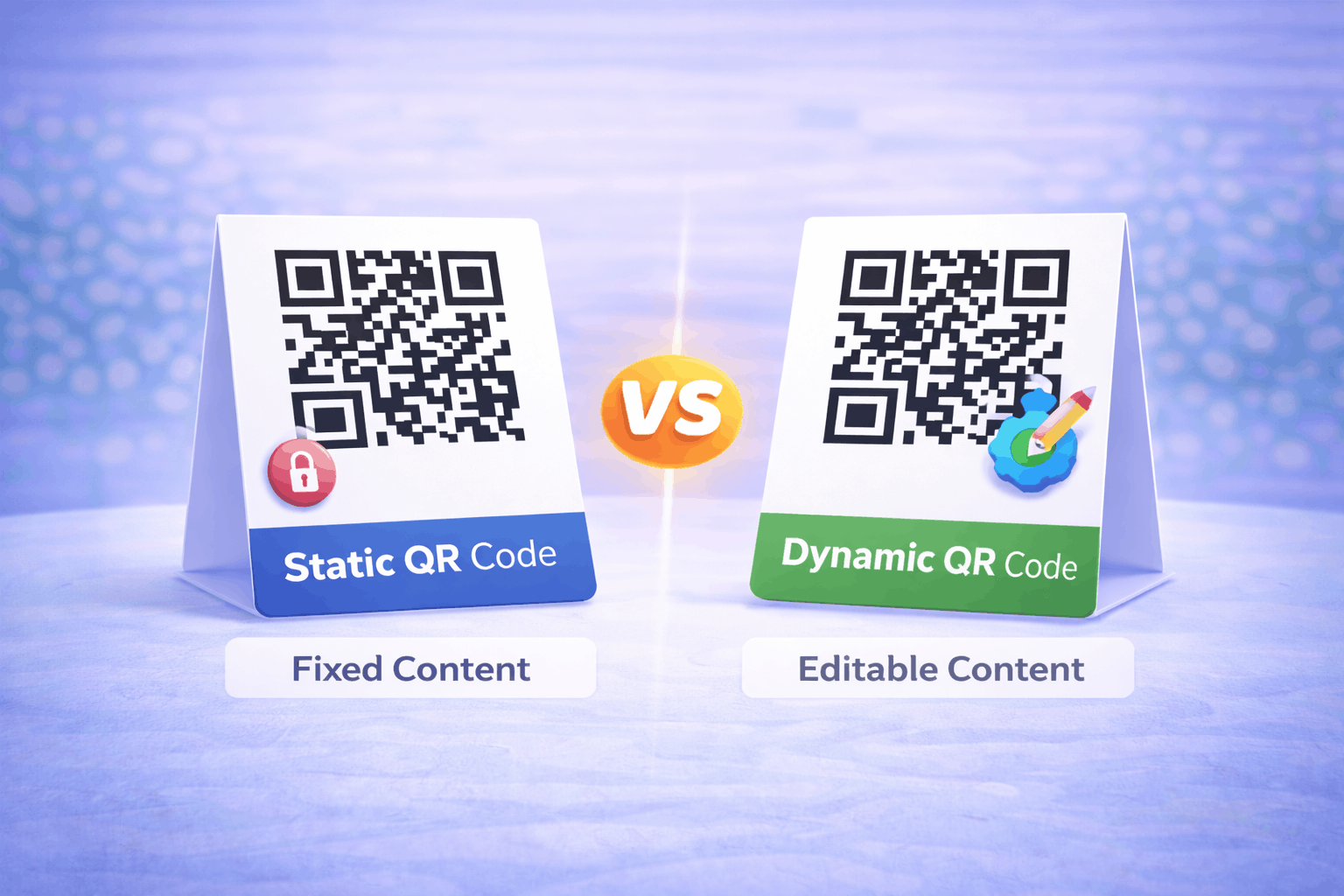
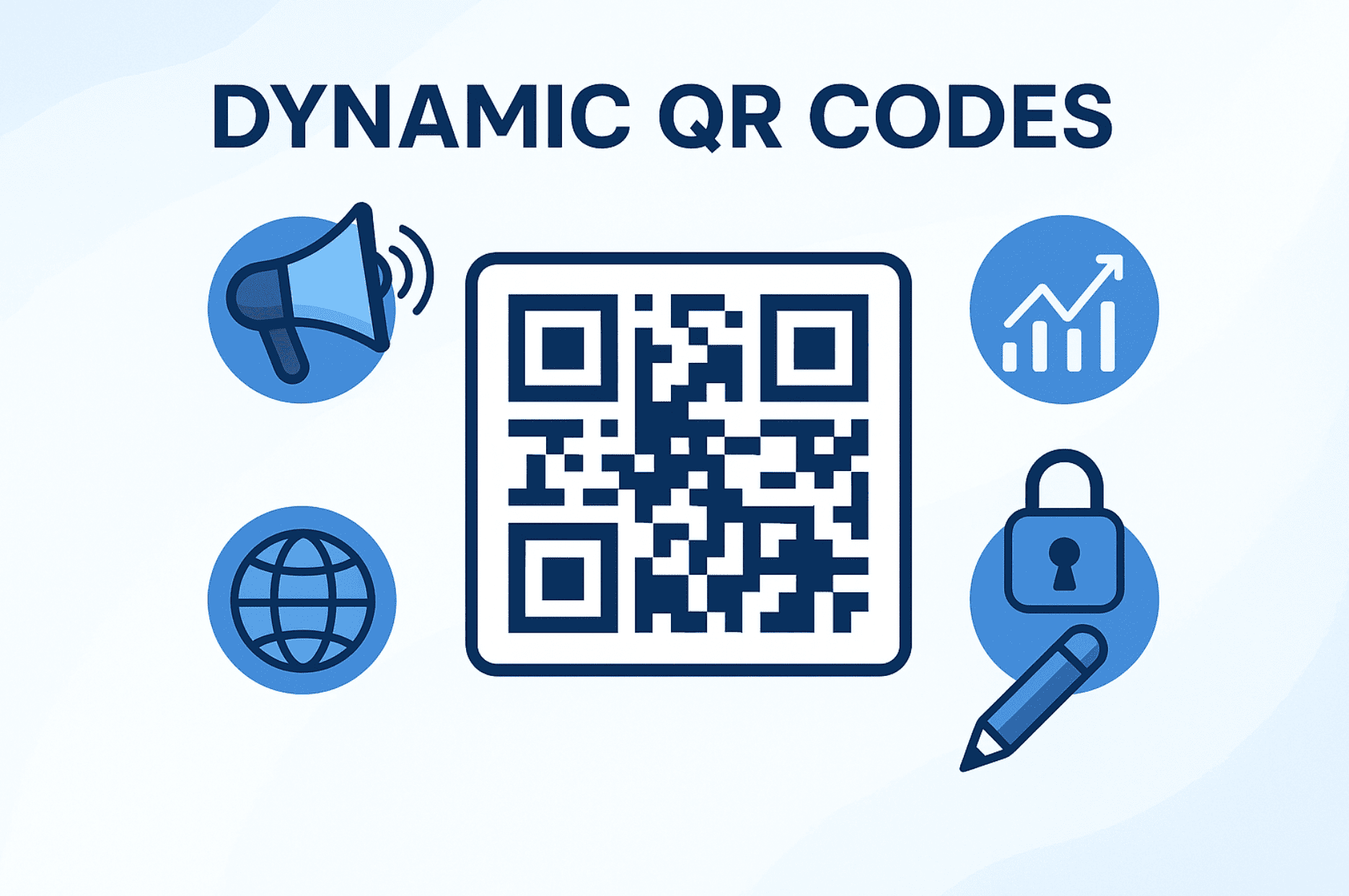
Dynamic QR code marketing refers to the use of editable and trackable QR codes to support marketing campaigns across physical and digital channels. These QR codes redirect users to content that can be updated at any time.
Instead of embedding a fixed destination, dynamic QR codes allow marketers to change landing pages, offers, or messaging while keeping the same printed code active. This makes them suitable for long running or evolving campaigns.
For a deeper explanation of the underlying technology, What Is a Dynamic QR Code Features and Benefits provides a complete foundation.
Why Static QR Codes Fall Short in Marketing
Static QR codes store fixed information that cannot be changed after creation. While they may work for one time or permanent content, they limit flexibility in marketing campaigns.
If a campaign landing page changes or an offer expires, a static QR code becomes outdated. Marketers must then reprint materials, which increases cost and slows execution.
Static QR codes also do not provide scan analytics, making it difficult to measure campaign performance or user engagement accurately.
Top Benefits of Dynamic QR Codes for Marketing
One of the biggest benefits of dynamic QR codes is content flexibility. Marketers can update destinations anytime without changing printed assets.
Another major benefit is performance tracking. Dynamic QR codes can provide insights into scan volume, timing, location trends, and device usage depending on the platform.
Dynamic QR codes also support campaign optimization. Marketers can test different landing pages or messaging over time and adjust based on results. These advantages make them a key component of QR Code Generator with Analytics driven strategies.
How Dynamic QR Codes Improve Campaign Performance
Dynamic QR codes improve campaign performance by enabling real time adjustments. If a campaign underperforms, marketers can change the destination content without interrupting distribution.
Scan data helps identify which locations, materials, or time periods perform best. This information allows marketers to focus resources on high performing channels.
By combining flexibility and insights, dynamic QR codes turn offline materials into measurable marketing assets rather than static touchpoints.
Offline to Online Marketing Attribution Using QR Codes
One of the biggest challenges in offline marketing is attribution. Dynamic QR codes help bridge this gap by tracking scans from physical materials to digital destinations.
Marketers can place QR codes on posters, packaging, or print ads and measure how many users engage online. This provides clearer attribution for offline efforts.
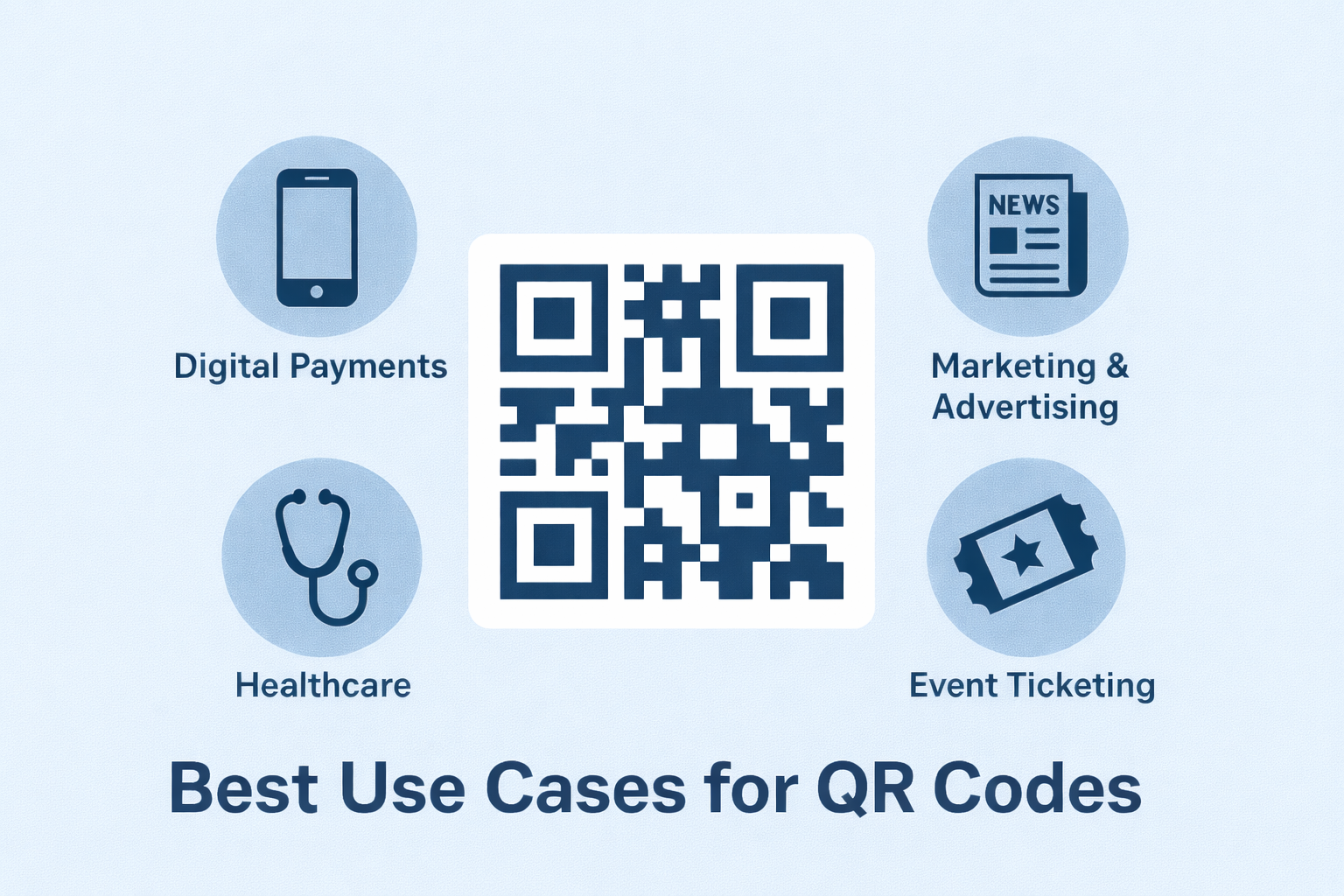
Offline to online attribution helps justify marketing spend and improves campaign planning. This approach is widely used across industries highlighted in Best Use Cases for QR Codes Across Industries.
Real World Marketing Use Cases
Brands use dynamic QR codes in print advertising to promote limited time offers and update landing pages during a campaign. Retailers place QR codes on packaging to link customers to product details or promotions.
Event marketers use dynamic QR codes on banners and tickets to share schedules, updates, or registration forms. Restaurants and hospitality brands use them to promote menus, reviews, and loyalty programs.
Many of these campaigns rely on Dynamic QR Code Generator platforms to manage content updates and track engagement at scale.
Marketing Capabilities Enabled by Dynamic QR Codes
Dynamic QR codes enable several advanced marketing capabilities. These include centralized campaign management, real time content updates, and performance tracking.
They also support long term brand consistency by allowing marketers to reuse the same QR codes across multiple campaigns. This reduces reprinting costs and operational complexity.
Businesses often integrate dynamic QR codes into broader marketing systems to improve coordination across teams and channels. These capabilities are especially valuable for organizations using QR Code Generator for Business solutions.
Frequently Asked Questions
- How are dynamic QR codes used in marketing campaigns?
Dynamic QR codes are used to link offline materials to editable landing pages while tracking user engagement and campaign performance.
- Are dynamic QR codes better than static QR codes for marketing?
Yes, dynamic QR codes offer flexibility, analytics, and optimization capabilities that static QR codes do not provide.
- Can marketers change the destination of a dynamic QR code?
Yes, marketers can update the destination content anytime without changing the printed QR code.
- Do dynamic QR codes help with campaign tracking?
Yes, dynamic QR codes support scan tracking and analytics that help measure and optimize marketing campaigns.
Conclusion
Dynamic QR codes have transformed how marketers connect offline materials with digital experiences. Their flexibility, tracking capabilities, and attribution benefits make them an effective tool for modern marketing campaigns. By using dynamic QR codes strategically, marketers can improve performance, reduce waste, and gain valuable insights across channels.