QR codes help marketers connect offline audiences to digital campaigns instantly. From product packaging and print ads to B2B lead generation and trade shows, QR codes create measurable, trackable engagement. This guide explains how QR codes are used in marketing campaigns, key benefits for both B2C and B2B brands, creative campaign ideas, and how to create QR codes that support scalable marketing strategies.
Why QR Codes Matter in Marketing Campaigns
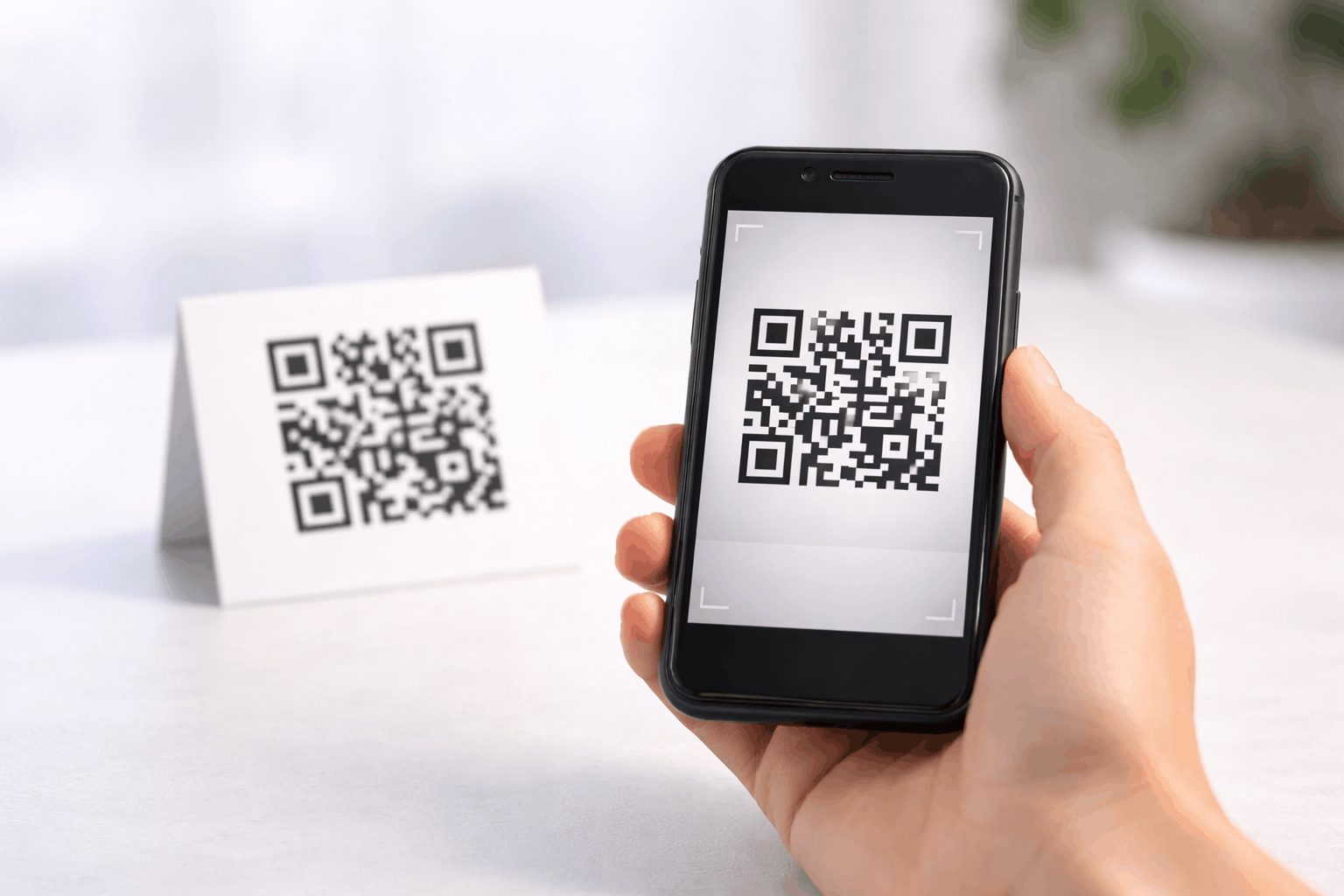
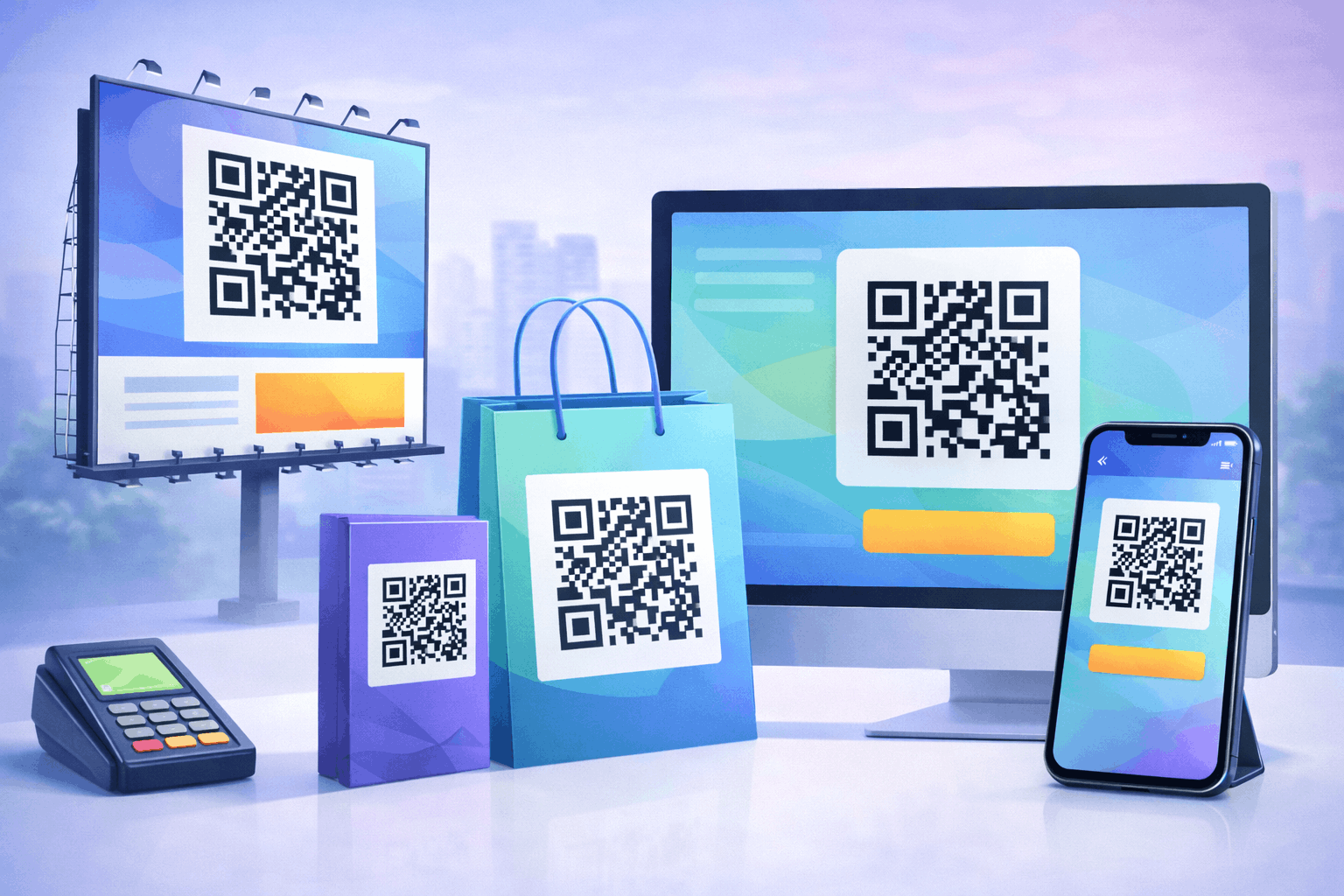
Marketing campaigns often struggle to bridge the gap between offline visibility and digital engagement. QR codes provide a direct connection between physical touchpoints and online experiences, allowing users to scan and instantly access landing pages, promotions, forms, or product details. Whether placed on billboards, brochures, packaging, or event banners, QR codes eliminate friction and reduce the number of steps required for conversion. For both B2C and B2B campaigns, QR codes simplify customer journeys and make campaign performance measurable through scan tracking and engagement insights.
Key Benefits of Using QR Codes in Marketing
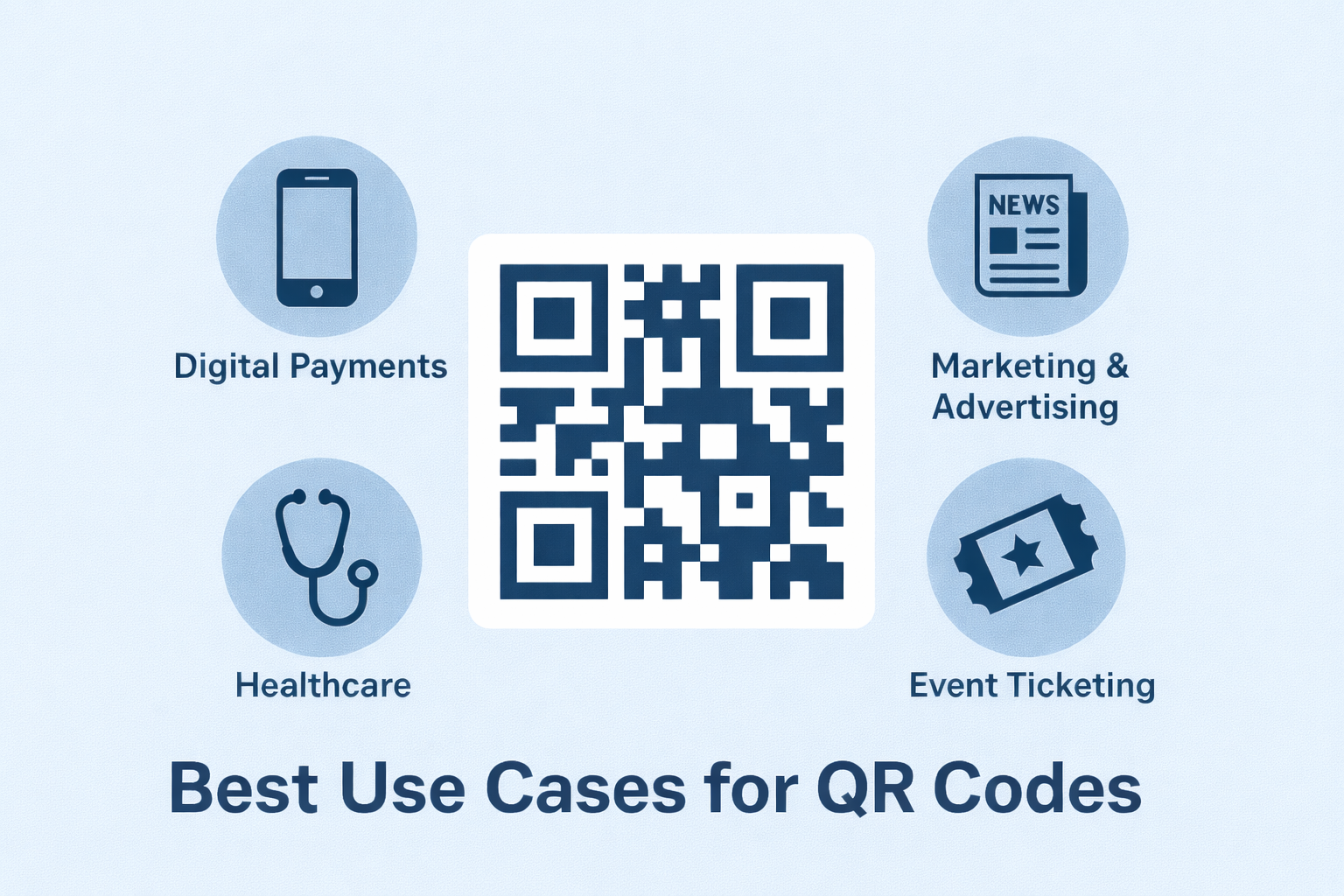
QR codes improve campaign efficiency by turning static materials into interactive assets. They enable real-time content updates without reprinting materials when using dynamic QR codes. Marketers can track scans, analyze engagement patterns, and optimize campaigns accordingly. QR codes also support personalization by directing different audience segments to tailored landing pages. In retail, they enhance product discovery. In B2B, they streamline lead capture at trade shows and conferences. When implemented strategically, QR codes transform passive advertising into active engagement channels.
3. Creative QR Code Marketing Ideas
a) Print to digital activation
Print advertisements, flyers, brochures, and magazine placements can include a link qr code that directs users to campaign-specific landing pages. This allows brands to measure engagement from offline channels and guide users toward product launches, gated content, or limited-time offers.
b) Social media and omnichannel campaigns
Brands can use a social media qr code to connect users directly to social profiles, campaign hashtags, or influencer collaborations. This is especially useful for product launches, experiential campaigns, and brand awareness initiatives where social amplification is important.
c) QR-enabled promotions and discount campaigns
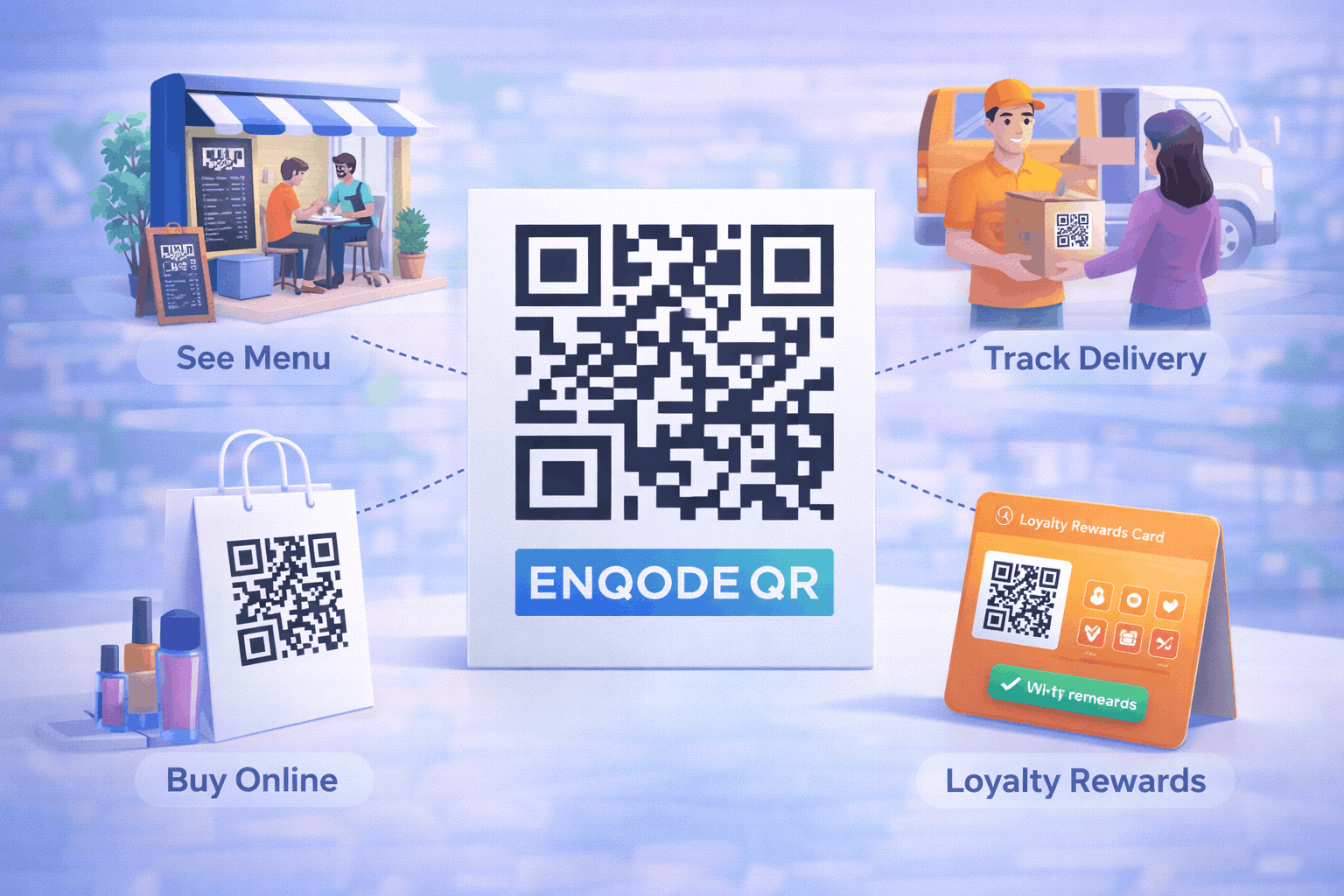
Retailers and ecommerce brands can use QR codes to distribute exclusive discounts, promotional codes, or loyalty rewards. A landing page qr code can direct customers to time-sensitive campaign pages, while allowing marketers to update offers without replacing printed materials.
d) Events, expos, and trade shows
At trade shows and exhibitions, QR codes simplify lead capture and engagement. Marketers can use QR codes linked to registration forms, digital brochures, or appointment scheduling pages. A form qr code is particularly effective for capturing inquiries and qualifying leads during high-traffic events.
e) Product packaging and retail marketing
Product packaging offers valuable marketing real estate. Brands can use QR codes to link customers to tutorials, product details, warranty registration pages, or cross-sell recommendations. A file qr code can also allow customers to download catalogs, manuals, or promotional materials instantly.
f) B2B lead generation and corporate marketing
In B2B marketing, QR codes help streamline corporate outreach. Companies can place QR codes on business cards, presentations, and conference materials to share contact details instantly using a vcard qr code. QR codes can also direct prospects to case studies, whitepapers, or demo booking pages, improving lead quality and response time.
How to Create QR Codes for Marketing Campaigns (Step by Step)
Creating QR codes for marketing campaigns follows a simple three-step process and can be adapted to various campaign objectives.
- Choose your QR code type: Select the relevant option from the available QR Code Types depending on your campaign goal. This may include link, landing page, file, form, vCard, or social media QR codes.
- Enter details or upload and Customize: Add your campaign URL, downloadable asset, contact details, or form link. Customize the QR code design to match brand guidelines while maintaining strong contrast and scan reliability.
- Download and Share: Generate the QR code, download it in your preferred format, and test it across devices. Deploy it across print materials, packaging, digital ads, email campaigns, or event displays.
Tools like the QR Code Generator on Enqode QR follow this same flow, helping marketers manage multiple QR codes across different campaigns efficiently.
Static vs Dynamic QR Codes for Marketing
Static QR codes contain fixed information and are suitable for content that does not change. Dynamic QR codes allow marketers to update campaign URLs, offers, or content without replacing printed QR codes. Dynamic QR codes also provide tracking capabilities that support performance analysis and campaign optimization. For a deeper comparison of both options, refer to Static vs Dynamic QR Codes: When and Why to Use Each. For scalable campaigns that require tracking and updates, using a dynamic qr code generator provides greater flexibility.
Best Practices for QR Code Marketing Campaigns
QR codes should be placed where users naturally look and should include a clear call to action that explains what happens after scanning. Designs should maintain high contrast and avoid excessive customization that reduces readability. Always test QR codes before launching a campaign to ensure proper redirection and loading speed. Linked landing pages should be mobile-optimized, as most scans occur on smartphones. Avoid overwhelming users with too many QR codes in one space and ensure each QR code serves a single, clear campaign objective.
Frequently Asked Questions
- Are QR codes effective for both B2C and B2B marketing?
Yes. QR codes work well in consumer campaigns such as retail promotions and product launches, as well as in B2B environments like trade shows and corporate networking.
- Can QR codes track marketing performance?
Dynamic QR codes can provide scan tracking and engagement data, helping marketers measure campaign effectiveness.
- Do QR codes work in offline advertising?
Yes. QR codes are specifically designed to bridge offline materials with digital destinations, making them ideal for print ads, packaging, and outdoor campaigns.
Conclusion
QR codes provide marketers with a practical way to connect offline audiences to digital campaigns while maintaining measurable engagement. From retail promotions and product packaging to B2B lead generation and trade shows, QR codes enhance visibility, simplify user journeys, and support scalable campaign management. By choosing the right QR code types and following best practices, marketing teams can create more interactive and data-driven campaigns.