Static and dynamic QR codes serve different purposes depending on how you plan to use them. Static QR codes are fixed and simple, while dynamic QR codes offer flexibility, editing, and tracking. This guide explains the key differences, advantages, limitations, and real-world use cases of both types so you can choose the right QR code for your needs.
What Is a Static QR Code
A static QR code is a QR code that stores information directly within the code itself. Once created, the data cannot be changed or edited.
Static QR codes are commonly used for fixed information such as website URLs, plain text, or contact details that rarely change. Because the data is embedded permanently, the QR code will always point to the same content.
Static QR codes are simple, reliable, and widely supported across devices.
What Is a Dynamic QR Code
A dynamic QR code stores a short redirect link instead of the final content. When scanned, the user is redirected to the destination managed on a server.
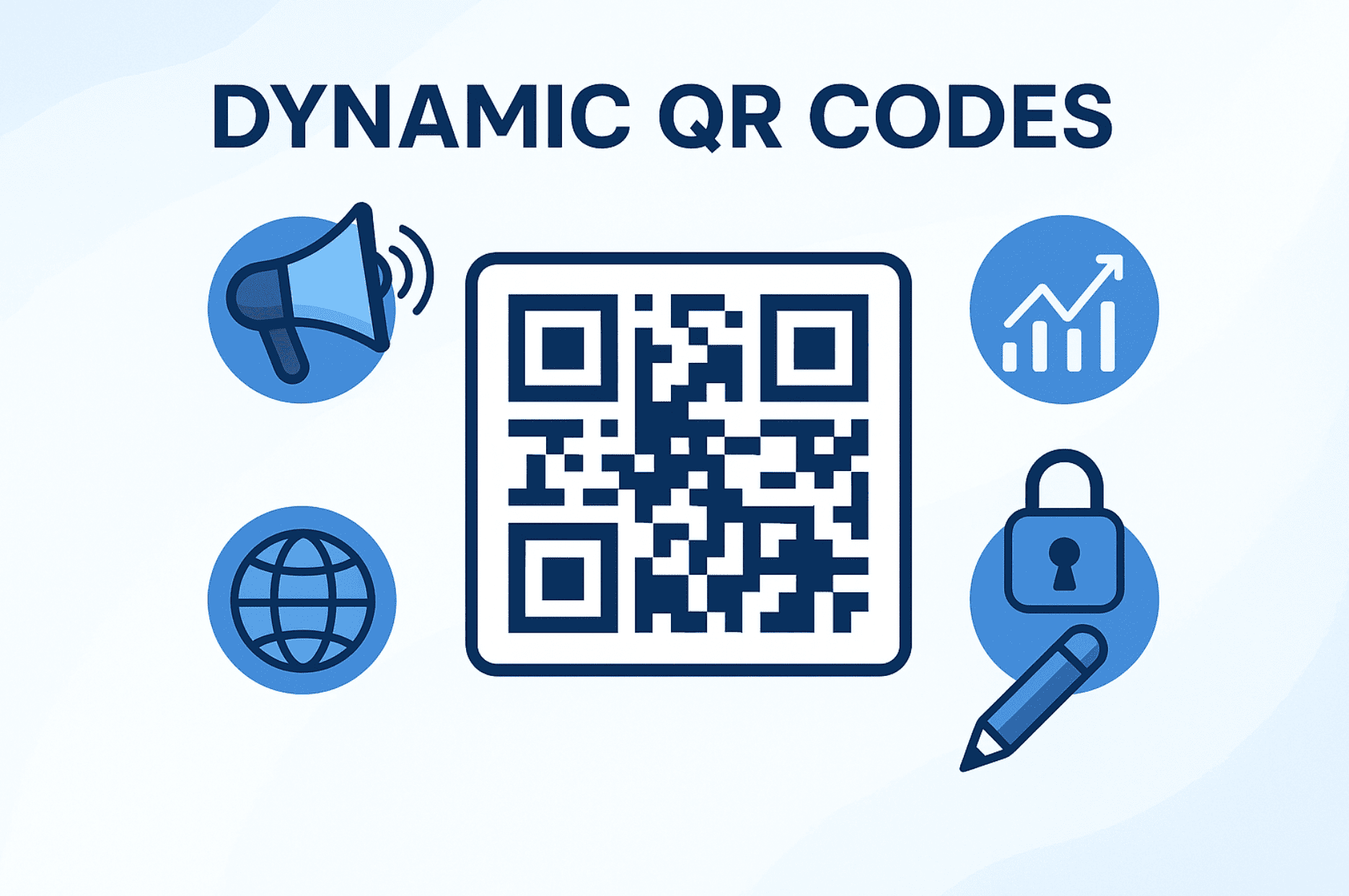
This setup allows the destination content to be updated even after the QR code has been shared or printed. Dynamic QR codes can also support scan tracking, analytics, and advanced routing logic.
Dynamic QR codes are commonly used in marketing, business, and long-term campaigns where flexibility is required. A deeper explanation is available in What Is a Dynamic QR Code Features Benefits.
Key Differences Between Static and Dynamic QR Codes
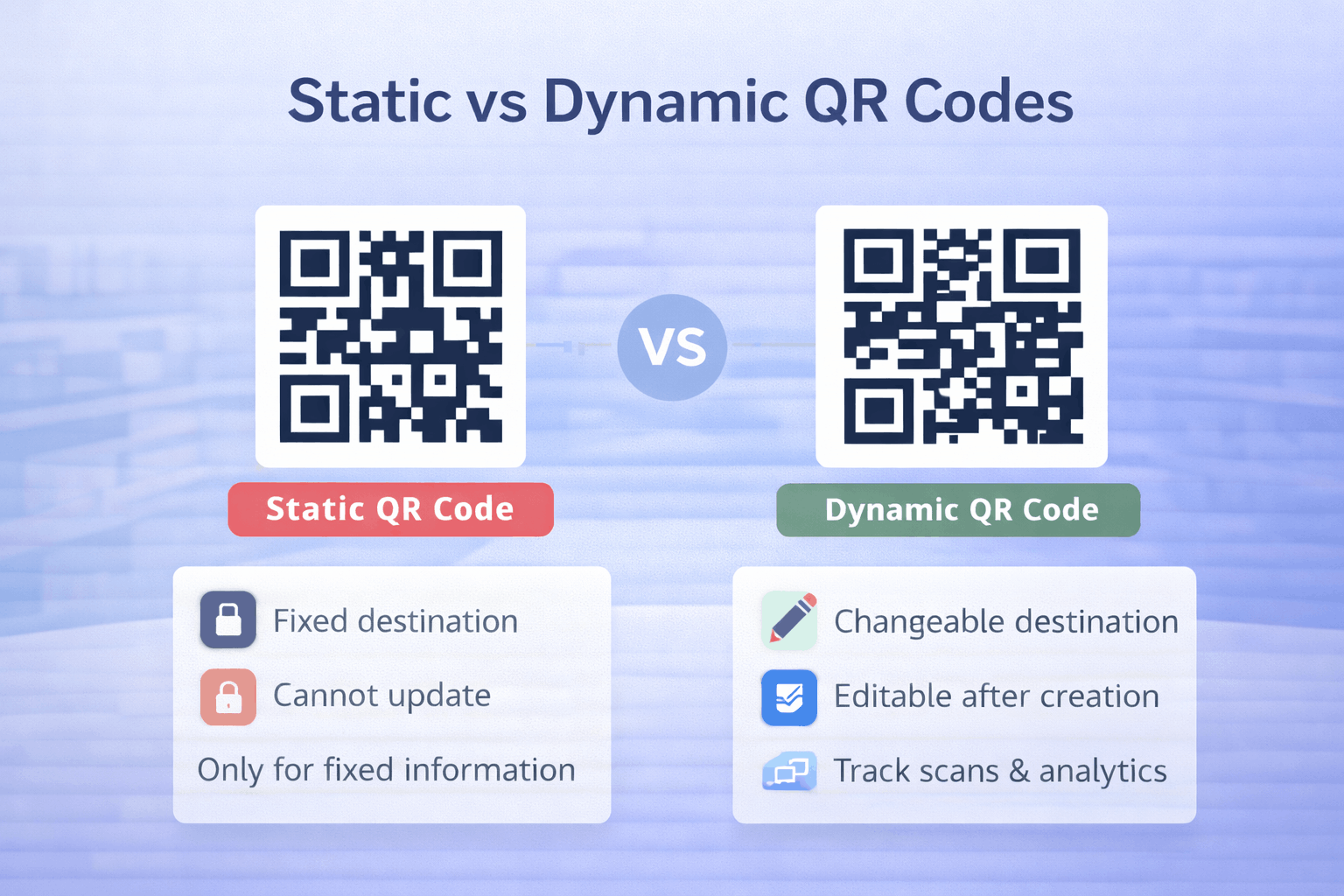
The most important difference lies in flexibility. Static QR codes are fixed and cannot be changed, while dynamic QR codes can be edited after creation.
Dynamic QR codes also enable tracking and analytics, whereas static QR codes do not provide scan data. This makes dynamic QR codes more suitable for campaigns and performance measurement.
Another difference is long-term usability. Static QR codes are best for permanent information, while dynamic QR codes are designed for evolving content.
Advantages and Limitations of Static QR Codes
Static QR codes are easy to create and do not require ongoing management. Once generated, they work indefinitely without maintenance.
They are ideal for simple use cases such as sharing a website URL, displaying Wi-Fi credentials, or linking to fixed documents. Static QR codes also work well when printing costs must be kept low.
However, their biggest limitation is inflexibility. If the destination changes or contains an error, the QR code must be regenerated and redistributed.
Advantages and Limitations of Dynamic QR Codes
Dynamic QR codes offer flexibility that static QR codes cannot. You can update destinations, fix errors, or switch content without changing the printed QR code.
They also enable tracking and analytics, helping businesses understand scan behavior, locations, and engagement. This is especially useful for campaigns and marketing activities.
The main limitation of dynamic QR codes is dependency on a platform to manage redirects. Using a reliable QR code generator such as QR Code Generator for Business solutions like Enqode QR helps mitigate this risk by providing stable infrastructure and long-term management.
Common Use Cases of Static and Dynamic QR Codes
Static QR codes are commonly used for permanent information such as printed manuals, business cards with fixed details, or simple website links.
Dynamic QR codes are better suited for marketing campaigns, event promotions, product packaging, and digital business cards. They are also ideal for scenarios that require updates or performance tracking.
Use cases such as What Is a Multi-URL QR Code or What Is a vCard QR Code rely heavily on dynamic QR code functionality.
Which QR Code Should You Choose
Choosing between static and dynamic QR codes depends on how you plan to use them.
If your content will never change and you do not need analytics, static QR codes are sufficient. They are simple and effective for basic use cases.
If you need flexibility, editing, tracking, or long-term usage, dynamic QR codes are the better choice. Platforms like Enqode QR make it easier to manage dynamic QR codes across different use cases without regenerating codes.
For businesses and marketers, dynamic QR codes usually provide more value over time.
Frequently Asked Questions
- What is the main difference between static and dynamic QR codes?
Static QR codes store fixed data, while dynamic QR codes allow destination updates and tracking.
- Are dynamic QR codes better than static QR codes?
Dynamic QR codes are better for flexibility and analytics, but static QR codes are suitable for simple, permanent use cases.
- Can I change a static QR code after printing?
No, static QR codes cannot be edited once created. A new QR code must be generated.
- Do dynamic QR codes support analytics?
Yes, most dynamic QR codes support scan tracking and analytics.
Conclusion
Static and dynamic QR codes serve different purposes depending on how and where they are used. Static QR codes are best for fixed, simple information, while dynamic QR codes offer flexibility, tracking, and long-term usability. Understanding these differences helps you choose the right QR code type and avoid costly mistakes in real-world use.