QR codes give small businesses a simple and affordable way to connect offline touchpoints with digital experiences. From storefronts and packaging to invoices and social media, QR codes help small businesses increase engagement without complex tools or large budgets. This guide explores creative QR code use cases for small businesses and explains how to implement them effectively.
Why QR Codes Are Powerful for Small Businesses
Small businesses often operate with limited budgets and resources. QR codes provide a cost effective way to share information, promote offers, and improve customer experience without expensive infrastructure.
A single QR code can replace printed menus, brochures, or long website links. Customers can instantly access information using their smartphones, reducing friction and improving convenience.
QR codes also allow small businesses to adapt quickly. Content can be updated, offers can change, and new information can be shared without reprinting materials.
Static vs Dynamic QR Codes for Small Businesses
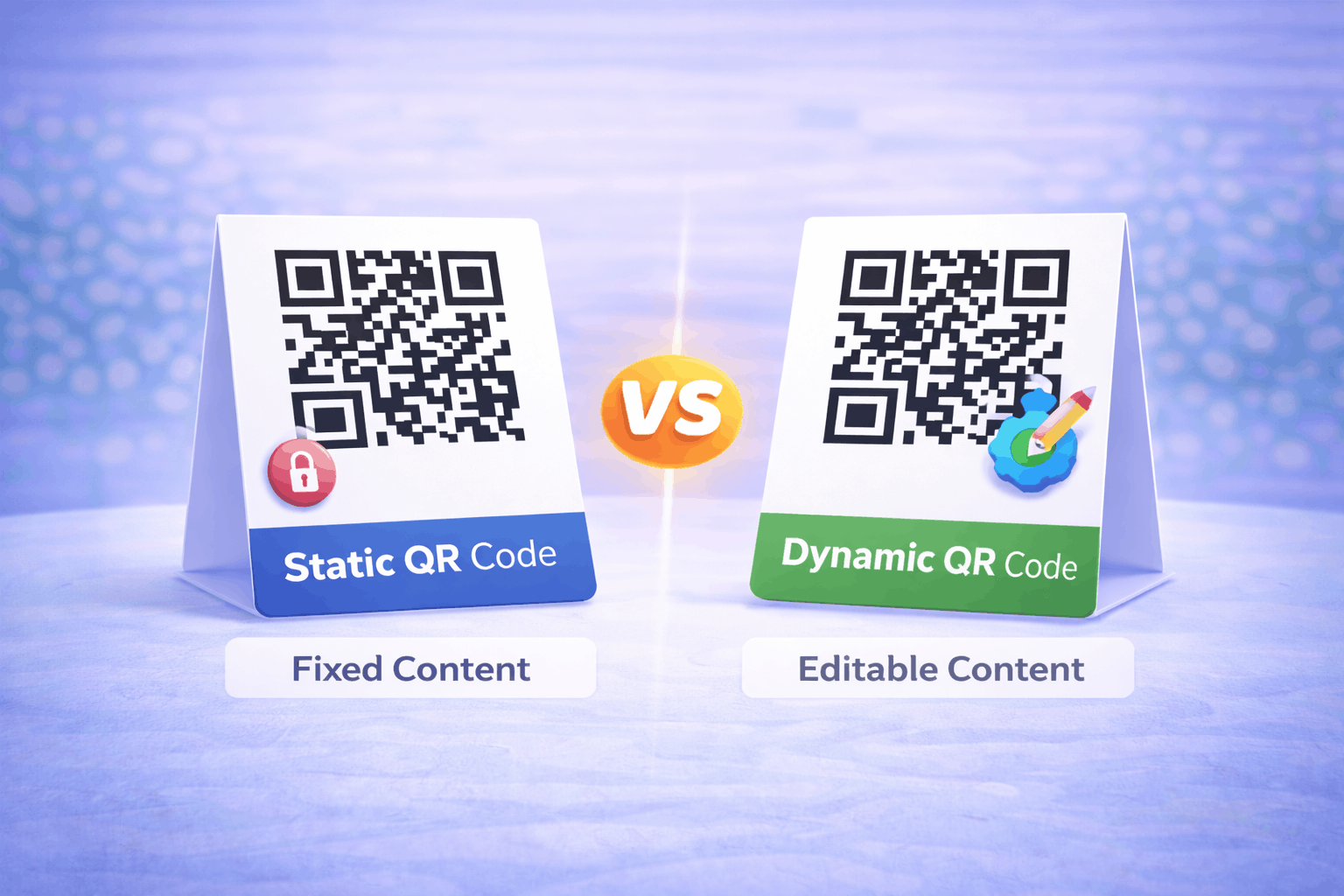
Choosing the right type of QR code is important for small businesses. Static QR codes store fixed information that cannot be changed after creation. They work well for permanent details such as a website homepage or Wi-Fi access.
Dynamic QR codes allow businesses to update content anytime. This is useful for promotions, menus, seasonal offers, or changing contact details.
For businesses planning long term use, What Is a Dynamic QR Code Features and Benefits explains why dynamic QR codes offer more flexibility and value. Many small businesses start with static QR codes and gradually adopt dynamic ones as their needs grow.
Creative QR Code Use Cases for Small Businesses
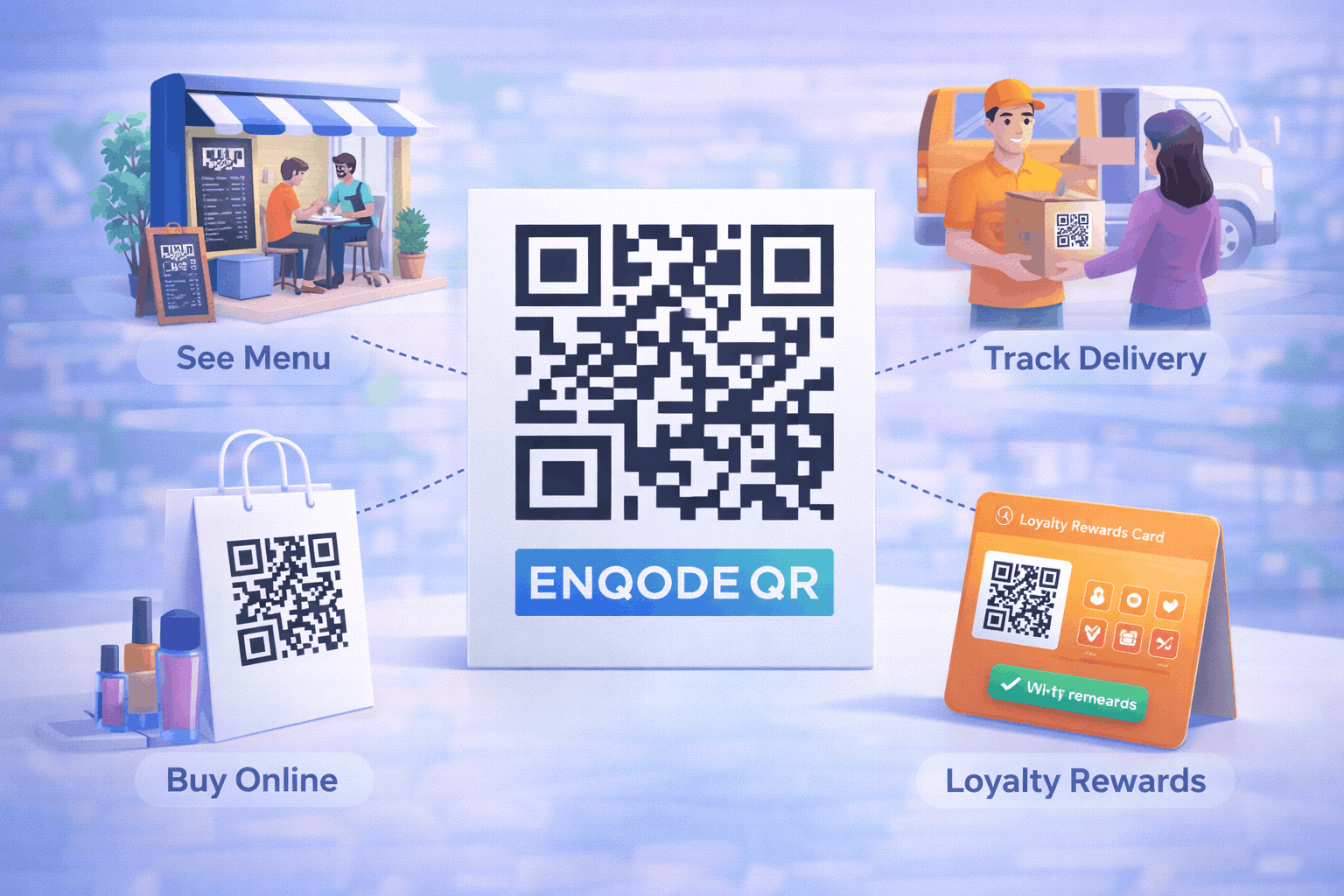
Small businesses can use QR codes in creative ways to stand out and engage customers. A QR code on a storefront window can link to business hours, services, or an online store.
QR codes on packaging can direct customers to product instructions, reviews, or reorder pages. Service based businesses can place QR codes on invoices or business cards to link to portfolios or booking pages.
Restaurants and cafes use QR codes for menus, feedback forms, and loyalty programs. Local retailers use QR codes to promote social media pages or limited time offers.
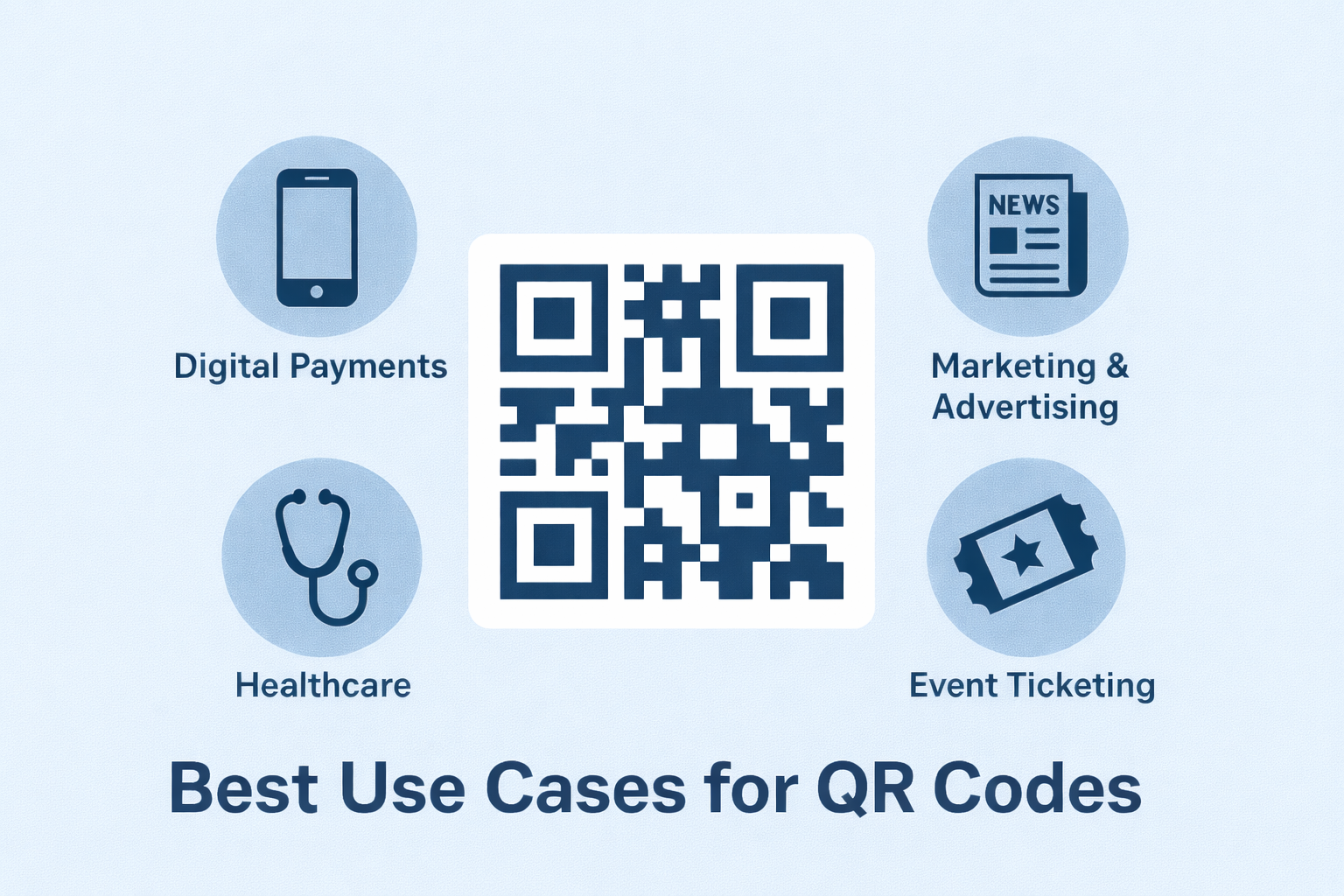
Many of these ideas align with broader strategies covered in Best Use Cases for QR Codes Across Industries, adapted specifically for smaller operations.
How to Make These QR Code Ideas Work for You
Creativity alone is not enough. QR codes must be placed where customers naturally look and are likely to scan. Clear context and purpose improve scan rates.
The destination content should be mobile friendly and relevant. A QR code should always provide immediate value, whether it is information, an offer, or convenience.
Testing QR codes before printing and tracking engagement where possible helps small businesses refine their approach over time.
Common Mistakes Small Businesses Make with QR Codes
One common mistake is linking QR codes to outdated or irrelevant content. This leads to poor customer experience and reduced trust.
Another mistake is placing QR codes without context. Customers should know what they will get by scanning the code.
Some businesses rely only on static QR codes for content that changes frequently. In such cases, dynamic QR codes would be a better choice.
Avoiding these mistakes helps small businesses get consistent results from QR code usage.
How Small Businesses Can Implement QR Codes Effectively
Effective QR code implementation starts with clear goals. Decide whether the QR code is meant to inform, promote, or engage customers.
Choose the right QR code type based on how often the content will change. Use dynamic QR codes when flexibility or tracking is important.
Small businesses can manage QR codes efficiently using tools like a QR Code Generator for Business, which helps centralize creation and updates. For marketing focused use cases, Dynamic QR Code Marketing Benefits and Use Cases provides additional strategic insights.
Frequently Asked Questions
- Are QR codes expensive for small businesses?
No, QR codes are affordable and many tools offer free options. Costs usually apply only for advanced features like analytics or content editing.
- Do small businesses need dynamic QR codes?
Dynamic QR codes are helpful when content changes or tracking is required, but static QR codes can work for simple and permanent information.
- Where should small businesses place QR codes?
QR codes work best on storefronts, packaging, menus, invoices, business cards, and marketing materials where customers can easily scan them.
- Can QR codes help small businesses get more customers?
Yes, QR codes can improve visibility, engagement, and convenience, which can lead to better customer interaction and retention.
Conclusion
QR codes offer small businesses a flexible and affordable way to enhance customer experience and improve communication. With creative use cases and thoughtful implementation, QR codes can support growth without adding complexity. By choosing the right type of QR code and avoiding common mistakes, small businesses can unlock real value from this simple technology.