QR codes are commonly classified into two main types: static and dynamic. While both look similar, they behave very differently in how they store and manage data. Understanding the difference between static and dynamic QR codes helps you choose the right option based on flexibility, tracking needs, and long term usage. This guide explains both types clearly and helps you decide which one fits your use case.
What Are Static and Dynamic QR Codes
Static and dynamic QR codes are two ways of storing information inside a QR code. The difference lies not in how they look, but in how the data behind them behaves after creation.
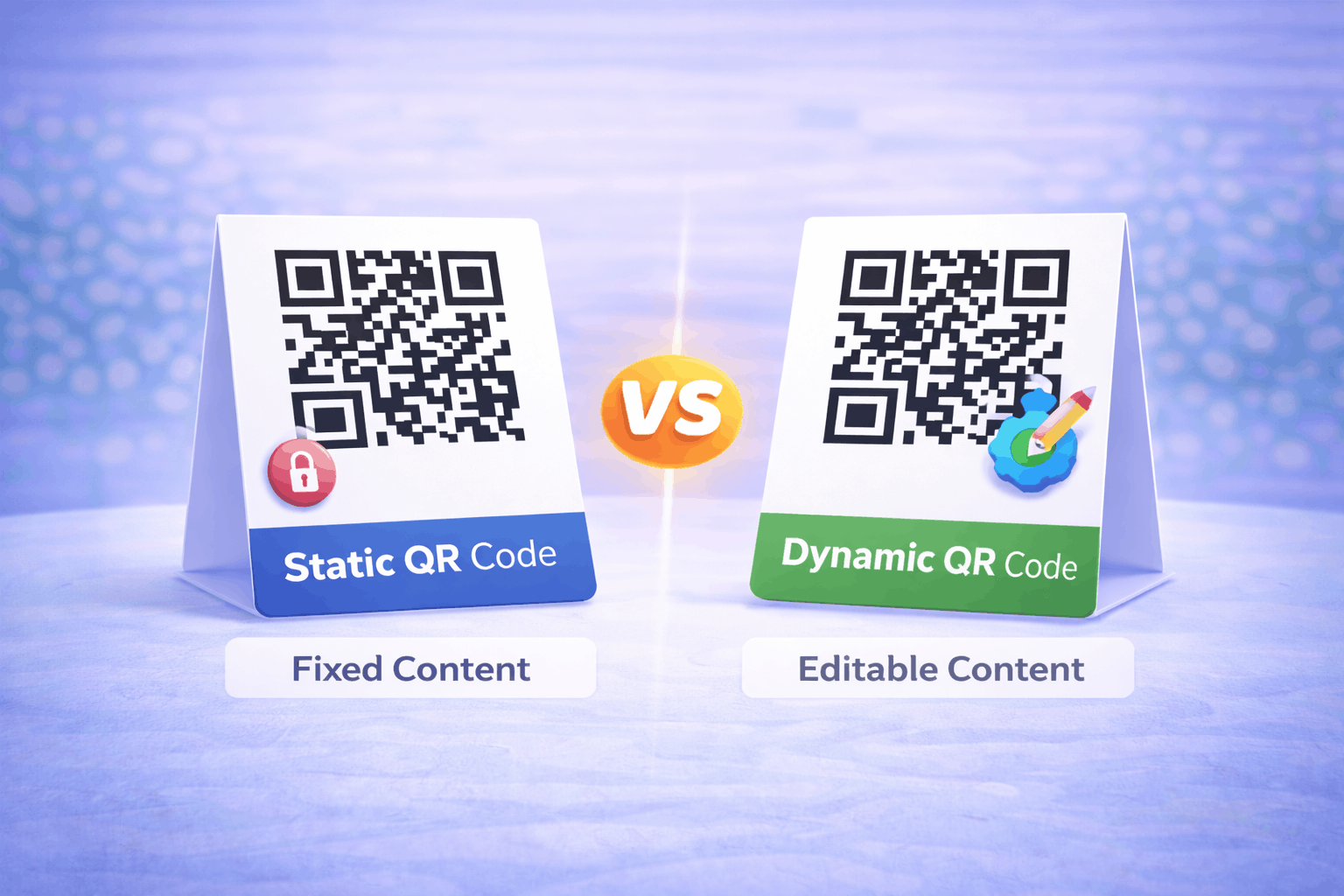
A static QR code stores information directly within the code itself. Once created, that information cannot be changed. A dynamic QR code, on the other hand, stores a short reference that points to content which can be updated later.
This distinction becomes important when QR codes are used beyond one time sharing, especially in business, marketing, and long term deployments. Beginners often start with static QR codes but later realize the value of dynamic ones as requirements grow.
What Is a Static QR Code
A static QR code is a QR code that contains fixed information. Once it is generated, the encoded data becomes permanent and cannot be edited or replaced.
Static QR codes are commonly used for simple and permanent information such as website URLs, WiFi credentials, plain text, or contact details that are unlikely to change. Because the data is embedded directly into the code, static QR codes do not rely on external systems to function.
These QR codes are simple to create and easy to distribute. Many people use them for personal projects or one time needs using tools like a Free QR Code Generator.
However, the lack of flexibility means static QR codes are not suitable for scenarios where information updates or performance tracking are required.
What Is a Dynamic QR Code
A dynamic QR code works differently. Instead of storing the final content directly in the QR code, it stores a short redirect reference. This reference points to content that is hosted and can be changed later.
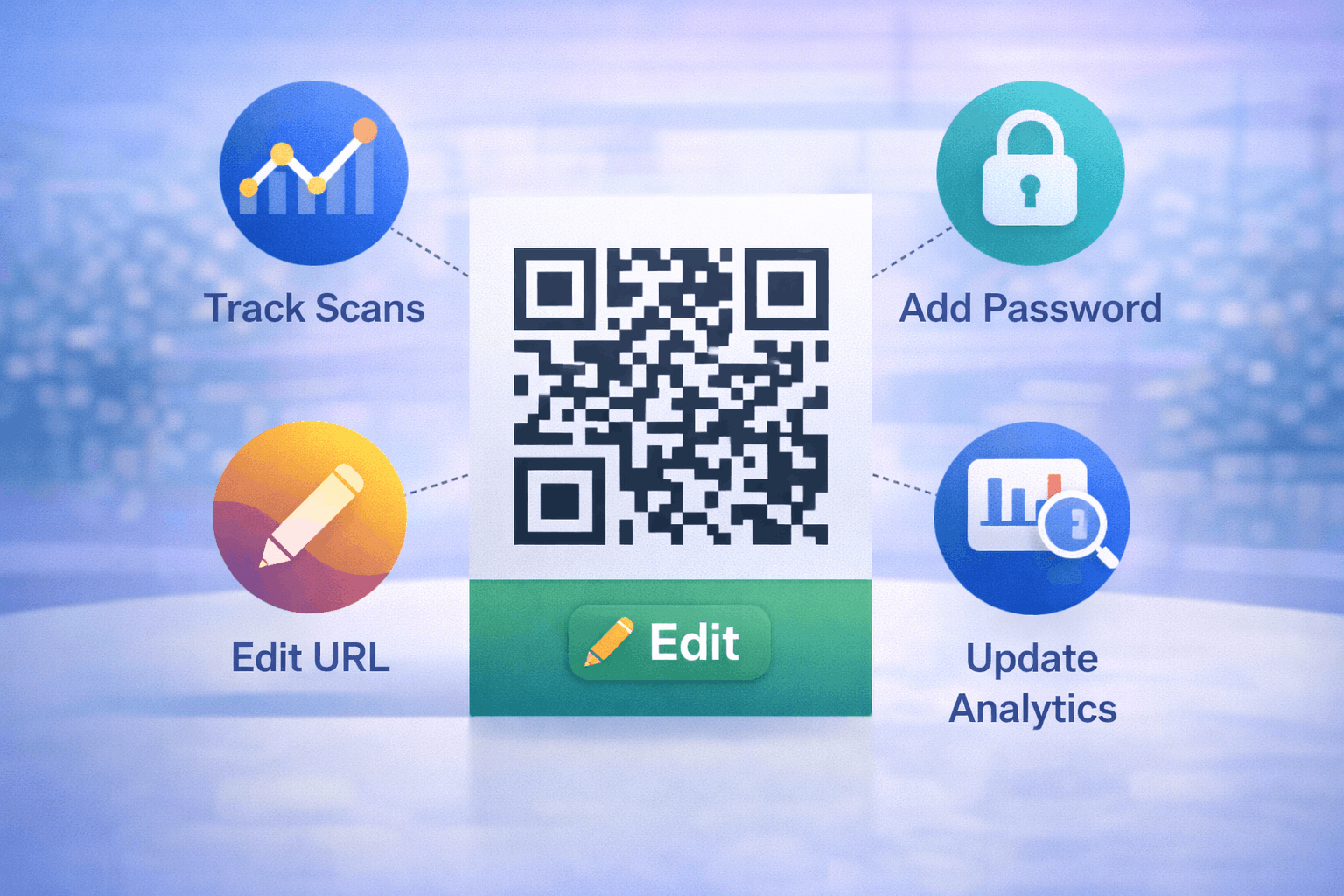
The key advantage of dynamic QR codes is flexibility. Even after the QR code is printed or shared, the destination content can be updated without changing the code itself. This makes dynamic QR codes ideal for long term use.
Dynamic QR codes also support scan tracking and analytics. Businesses often rely on Dynamic QR Code Generator platforms to monitor scans, understand user behaviour, and optimize campaigns.
To explore this concept in more detail, you can read What Is a Dynamic QR Code Features and Benefits, which explains how dynamic QR codes work in real world scenarios.
Static vs Dynamic QR Codes A Side by Side Comparison
The table below highlights the key differences between static and dynamic QR codes, including flexibility, editability, and ideal usage.
| Feature | Static QR Code | Dynamic QR Code |
|---|---|---|
| Data editability | Cannot be changed after creation | Can be updated anytime |
| Data storage | Stored directly in the QR code | Stored externally and referenced |
| Scan tracking | Not available | Available |
| Best for | Permanent information | Long term and evolving use cases |
| Flexibility | Low | High |
| Business suitability | Limited | High |
This comparison makes it clear why dynamic QR codes are preferred for professional and business applications, while static QR codes remain useful for simple and fixed information.
For a broader understanding of where these fit within the ecosystem, refer to QR Code Types.
Static QR Codes Use Cases and Examples
Static QR codes work best in situations where the information does not need to change. For example, a personal website URL printed on a business card can be shared using a static QR code.
Other common use cases include sharing Wi-Fi credentials in homes, linking to a single document, or displaying basic contact details. In these cases, simplicity is an advantage and no updates are required.
Static QR codes are also useful when internet connectivity or tracking is not a concern. They are straightforward and reliable for limited scope usage.
Dynamic QR Codes Use Cases and Examples
Dynamic QR codes are designed for scenarios where flexibility and insights matter. Businesses often use them in marketing campaigns where landing pages, offers, or content change over time.
Retailers use dynamic QR codes on packaging to update product information. Event organizers use them to share schedules that may change. Restaurants update menus without reprinting materials.
These use cases are commonly supported by QR Code Generator for Business solutions that offer centralized management and analytics. You can also explore real world applications through Online QR Code Generator platforms that support dynamic behaviour.
Which QR Code Should You Use and When
Choosing between static and dynamic QR codes depends on how you plan to use them. If the information is simple, permanent, and does not require tracking, a static QR code is usually sufficient.
If you need the ability to update content, track performance, or manage QR codes at scale, dynamic QR codes are the better choice. They offer long term value and adaptability.
Beginners often start with static QR codes and transition to dynamic ones as their needs evolve. Understanding this progression helps avoid rework later.
For additional guidance, the beginner focused article What Is a QR Code The Complete Beginners Guide provides helpful foundational context.
Common Mistakes When Choosing Between Static and Dynamic QR Codes
One common mistake is using a static QR code for content that may change. This often leads to outdated information and requires reprinting or redistributing codes.
Another mistake is assuming dynamic QR codes are only for large businesses. In reality, they are useful for anyone who wants flexibility or insights.
Some users also overlook analytics, missing valuable data that could improve engagement. Using the right type of QR code from the beginning helps avoid these issues.
Frequently Asked Questions
- What is the main difference between static and dynamic QR codes?
Static QR codes store fixed information that cannot be changed, while dynamic QR codes allow the destination content to be updated anytime.
- Do static and dynamic QR codes look different?
No, both types look the same visually. The difference is in how the data behaves after scanning.
- Can a static QR code be converted into a dynamic one?
No, once a static QR code is created, it cannot be converted into a dynamic QR code.
- Are dynamic QR codes better than static QR codes?
Dynamic QR codes are better for long term and flexible use cases, while static QR codes are suitable for simple and permanent information.
- Do dynamic QR codes expire?
Dynamic QR codes do not expire by default, but their availability depends on the platform used to manage them.
Conclusion
Static and dynamic QR codes serve different purposes, even though they look identical on the surface. Static QR codes are simple and permanent, while dynamic QR codes offer flexibility, updates, and tracking. By understanding how each type works and where it fits best, you can choose the right QR code for your needs and avoid common mistakes.