A QR code is a two dimensional code that stores information in a square pattern and allows instant access to digital content through a simple scan. QR codes are widely used to share links, files, contact details, and online resources without manual typing. This beginner guide explains what a QR code is, how it works, how to scan it, and why it continues to play an important role in modern digital experiences.
What Is a QR Code
A QR code is a machine readable code that stores data in a grid of black and white squares arranged within a square shape. The term QR stands for quick response, highlighting how quickly information can be accessed when the code is scanned.
When a QR code is scanned using a smartphone camera or a QR scanning application, the encoded data is instantly displayed or opened. This data may include a website link, a document, contact information, a message, or other digital content.
Unlike traditional barcodes that store data in a single direction, QR codes store information both vertically and horizontally. This structure allows them to hold more data while remaining compact and easy to scan.
A Brief History of QR Codes
QR codes were developed in the mid nineteen nineties by Masahiro Hara while working at Denso Wave. They were originally created to solve efficiency challenges in industrial manufacturing where traditional barcodes were too limited.
The early success of QR codes in factory environments led to wider experimentation and adoption. As mobile phones gained camera functionality, QR codes gradually transitioned from industrial tools to everyday digital connectors.
If you want a deeper historical perspective, you can explore the detailed origin story in Who Invented the QR Code History of QR Code Technology.
How Do QR Codes Work
QR codes work by encoding data into a visual pattern that can be read by a scanner or camera. Each square within the grid represents a portion of the stored information.
When scanned, the device identifies special markers within the code that indicate orientation and alignment. This allows the code to be decoded accurately even if it is scanned from an angle.
QR codes also include built-in error correction, which means they can still be scanned if part of the code is damaged or obscured. This reliability is a key reason QR codes are trusted across industries.
How to Scan a QR Code Using Your Phone
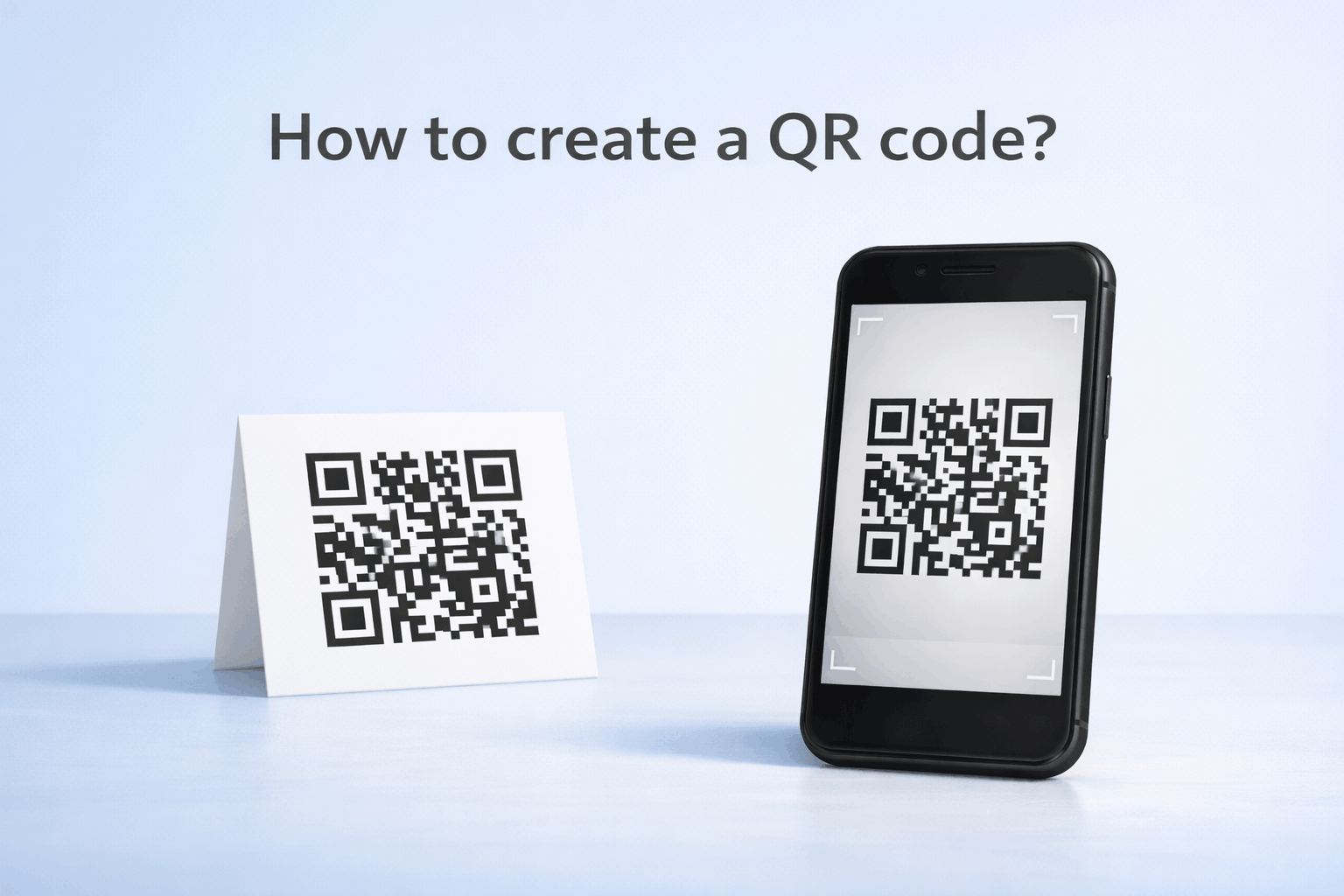
Scanning a QR code is simple and does not require technical knowledge. Most modern smartphones can scan QR codes using the default camera application.
To scan a QR code, open your phone camera and point it at the code. Make sure the full code is visible on the screen. A notification or link will appear allowing you to open the content instantly.
If your phone does not support native scanning, a QR scanner app can be used. This ease of scanning has contributed significantly to the widespread adoption of QR codes.
QR Code vs Barcode, What Is the Difference
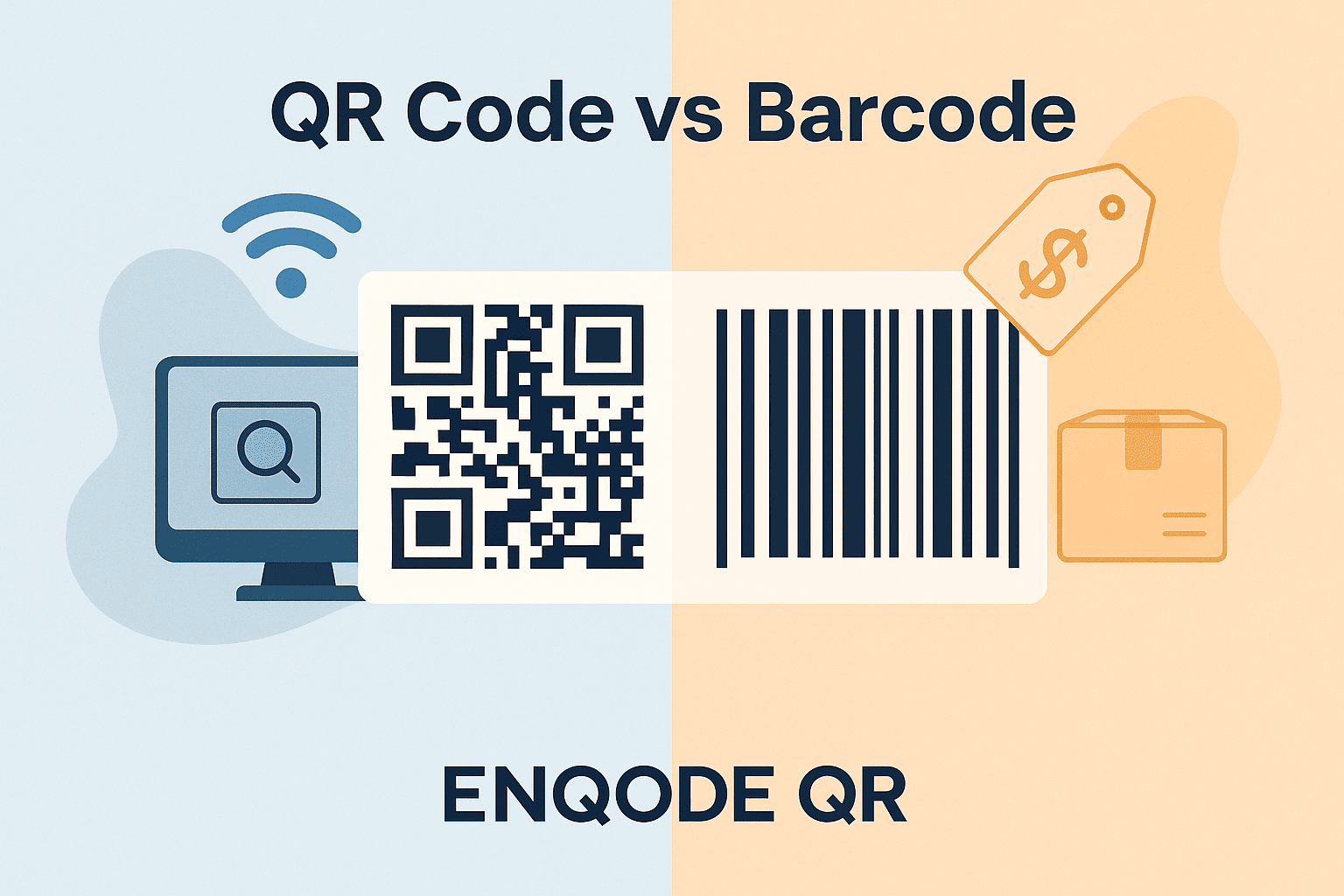
QR codes and barcodes are both used to store information, but they differ significantly in capability and design. Barcodes store data in a single horizontal line and are limited in how much information they can hold.
QR codes store data in two dimensions, allowing them to contain more information in a smaller space. They can also be scanned from any direction, whereas barcodes usually require precise alignment.
For a deeper comparison between the two, you can read QR Code vs Barcode What's the Difference, which explains the strengths and limitations of each format in detail.
Types of QR Codes
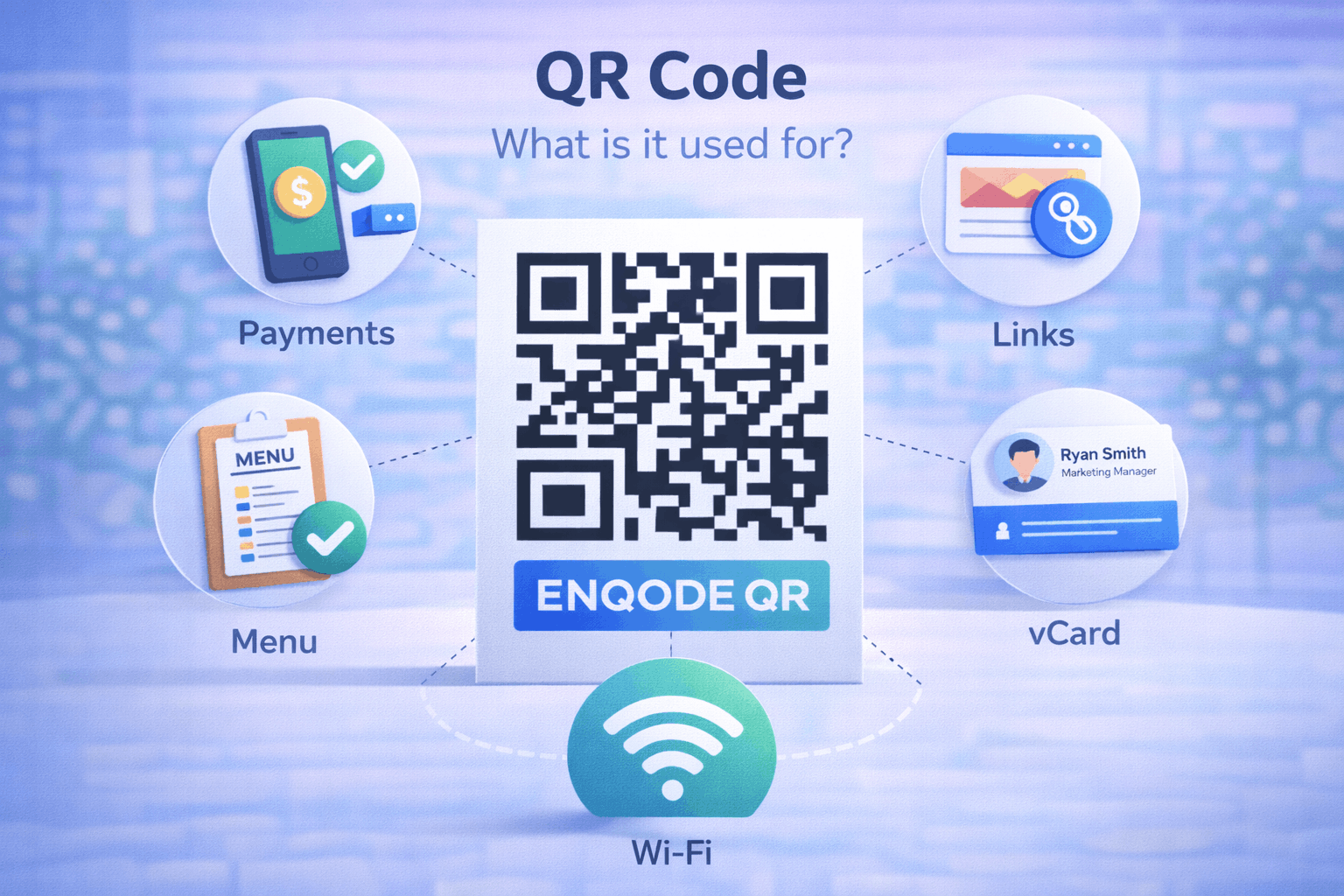
There are many different types of QR codes, each designed for a specific purpose. Some QR codes link to websites, while others store contact details, files, messages, or application download links.
Choosing the right QR code type depends on what information you want to share and how it will be used. Platforms that offer multiple QR Code Types make it easier to create codes that match different use cases.
If you want to understand how different types compare in practical scenarios, Types of QR Codes Static vs Dynamic What's the Difference provides a helpful breakdown.
Static vs Dynamic QR Codes
QR codes are commonly classified as static or dynamic based on how their data behaves. Static QR codes store fixed information that cannot be changed after creation.
Dynamic QR codes allow the destination content to be updated without changing the printed code itself. This makes them ideal for long term use cases where information may change over time.
To explore this concept further, you can read What Is a Dynamic QR Code Features and Benefits, which explains how dynamic QR codes work and why they are widely used in business environments. Many businesses rely on Dynamic QR Code Generator tools to manage these flexible codes efficiently.
Real World Uses of QR Codes
QR codes are used across a wide range of real world applications. Businesses use them to share product information, enable contactless access, and connect offline materials to online content.
In education, QR codes help distribute learning resources quickly. In events and public spaces, they provide easy access to registrations, schedules, and directions.
These use cases are supported by tools like Online QR Code Generator platforms that allow anyone to create and share QR codes easily.
Why QR Codes Still Matter Today and in the Future
QR codes remain relevant because they provide a fast and frictionless way to access digital information. They eliminate the need to type long links or search manually, improving user experience.
As physical and digital experiences continue to merge, QR codes serve as a reliable bridge between the two. Their adaptability ensures they remain useful across evolving technologies.
This continued relevance is reflected in the growing adoption of QR Code Generator with Analytics solutions that help track engagement and measure performance.
Are QR Codes Safe Common Myths and Facts?
Many beginners wonder whether QR codes are safe to use. QR codes themselves are not harmful, but the content they link to should always be trusted.
Scanning a QR code is similar to clicking a link, so users should avoid scanning codes from unknown or suspicious sources. Awareness and basic caution are usually sufficient to stay safe.
Using reliable platforms such as Free QR Code Generator services helps ensure QR codes are created and shared responsibly.
Frequently Asked Questions
- What does QR stand for?
QR stands for quick response, referring to how quickly the code can be scanned and decoded.
- Do QR codes need internet access?
Scanning a QR code does not require internet access, but opening online content linked to the code does.
- Can QR codes be scanned from a screen?
Yes, QR codes can be scanned from screens such as mobile phones, laptops, or digital displays.
- Are QR codes free to use?
Yes, QR code technology is free to use, though some platforms charge for advanced features like analytics or content editing.
- What information can a QR code store?
A QR code can store links, text, contact details, files, app links, Wi-Fi credentials, and more depending on the type.
Conclusion
A QR code is a simple yet powerful tool that enables instant access to digital information through a quick scan. From its industrial origins to its widespread use today, QR codes have proven to be reliable, flexible, and beginner friendly. By understanding how QR codes work and where they are used, anyone can start using them effectively for personal or professional purposes.