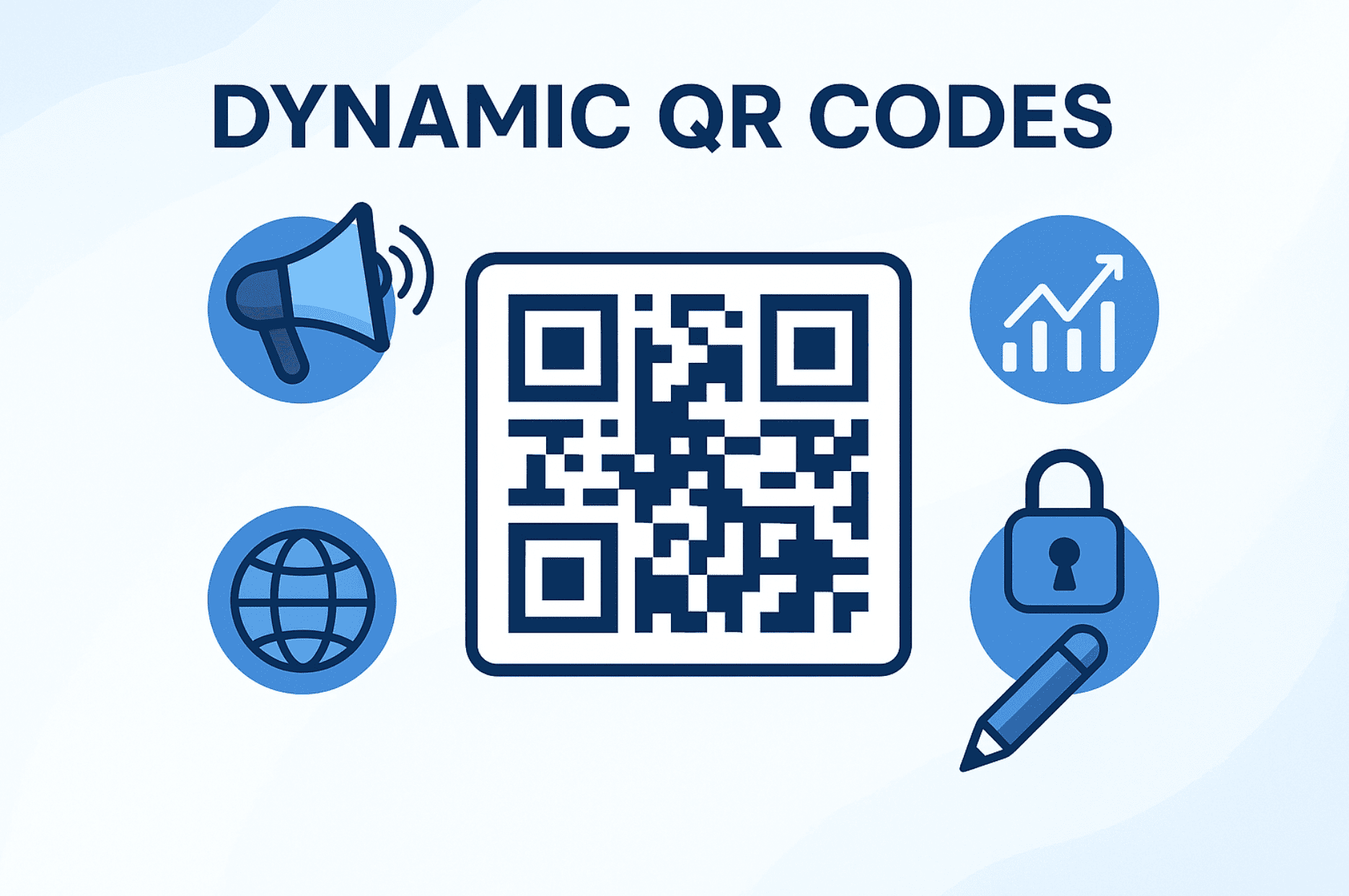
A dynamic QR code is a flexible type of QR code that allows the destination content to be updated even after the code is created and shared. Unlike static QR codes, dynamic QR codes support content edits, scan tracking, and long term usage without reprinting. This guide explains what a dynamic QR code is, how it works, its key features, benefits, limitations, and when it should be used.
What Is a Dynamic QR Code
A dynamic QR code is a type of QR code that does not store final content directly inside the code. Instead, it stores a short reference that points to content hosted elsewhere. This allows the destination content to be changed without modifying the QR code itself.
From a user perspective, dynamic QR codes look exactly like static QR codes. The difference lies in how the data is handled after scanning. When a dynamic QR code is scanned, the user is redirected to the most up to date version of the content.
Dynamic QR codes are commonly used in business, marketing, and long term deployments where flexibility and performance insights are important. For beginners, What Is a QR Code The Complete Beginners Guide provides helpful foundational context before exploring dynamic behaviour in depth.
How Dynamic QR Codes Work Behind the Scenes
Behind the scenes, a dynamic QR code works by storing a short redirect address inside the QR code. This address points to a server that manages the final destination content.
When a user scans the QR code, the scanner opens the redirect address. The system then sends the user to the current destination, which can be updated at any time by the QR code owner.
This architecture is what enables content editing, scan tracking, and advanced management features. It also explains why dynamic QR codes are widely supported by Dynamic QR Code Generator platforms used in professional environments.
Key Features of Dynamic QR Codes
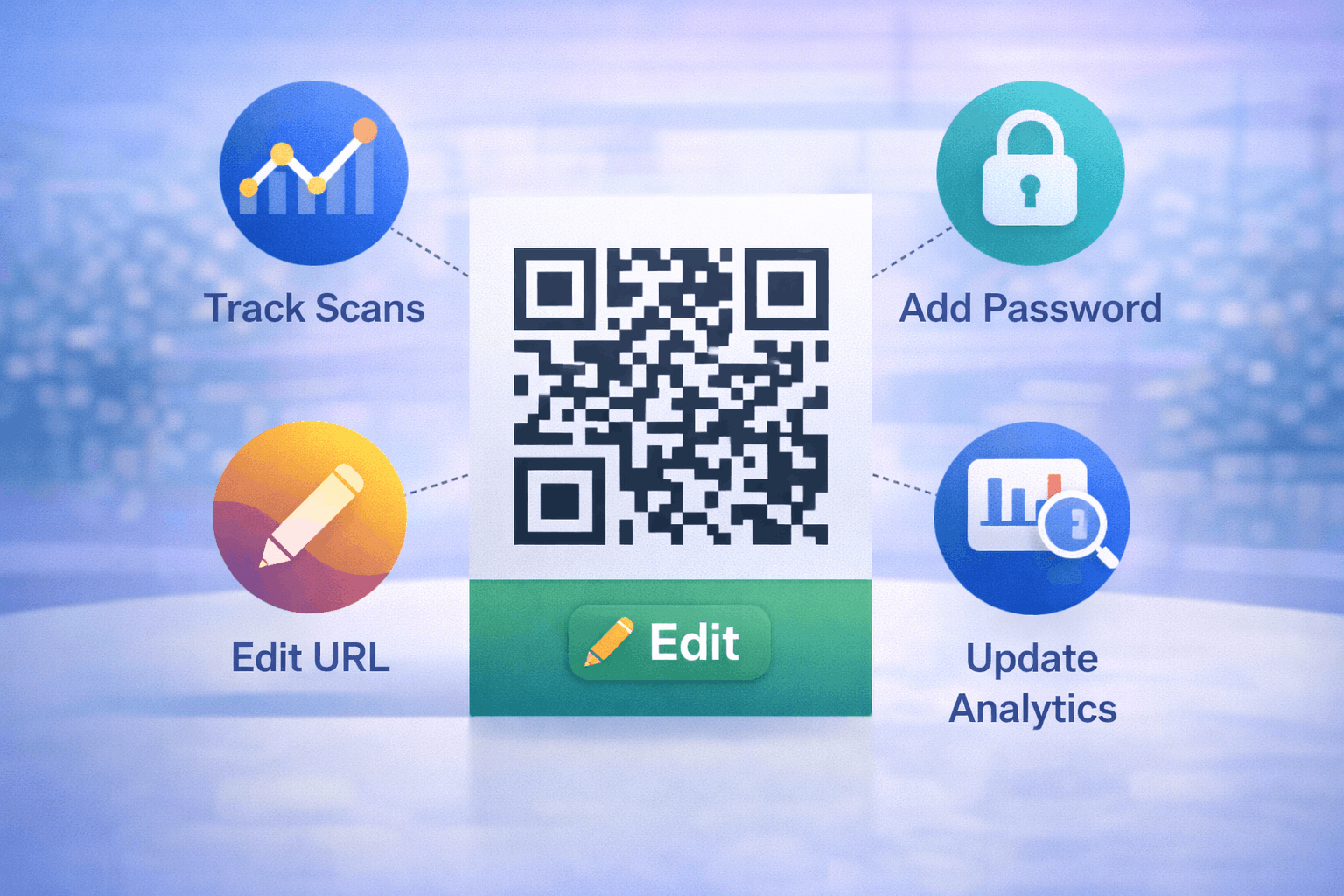
One of the most important features of dynamic QR codes is editability. The destination content can be updated without reprinting or redistributing the QR code.
Another key feature is scan tracking. Dynamic QR codes can record scan data such as total scans, scan time, device type, and location insights depending on the platform.
Dynamic QR codes also support centralized management. Multiple QR codes can be managed from a single dashboard, making them suitable for large scale or ongoing campaigns. These capabilities make dynamic QR codes a preferred option for many QR Code Generator for Business use cases.
Benefits of Using Dynamic QR Codes
The primary benefit of dynamic QR codes is flexibility. Businesses and individuals can update content anytime without worrying about outdated QR codes in circulation.
Another major benefit is performance visibility. Scan analytics help users understand engagement and improve decision making. This is especially useful for campaigns where tracking matters.
Dynamic QR codes also reduce long term costs by eliminating the need to reprint materials when content changes. These benefits explain why dynamic QR codes are widely used across industries and featured prominently in QR Code Generator with Analytics solutions.
Use Cases for Dynamic QR Codes
Dynamic QR codes are used in marketing campaigns to update landing pages, offers, or promotional content over time. They allow marketers to test and optimize without changing printed materials.
Retailers use dynamic QR codes on packaging to update product information, instructions, or availability. Event organizers use them to share schedules or updates that may change frequently.
Many of these scenarios are covered in detail in Best Use Cases for QR Codes Across Industries, which shows how dynamic QR codes support real world needs.
Static vs Dynamic QR Codes A Quick Comparison
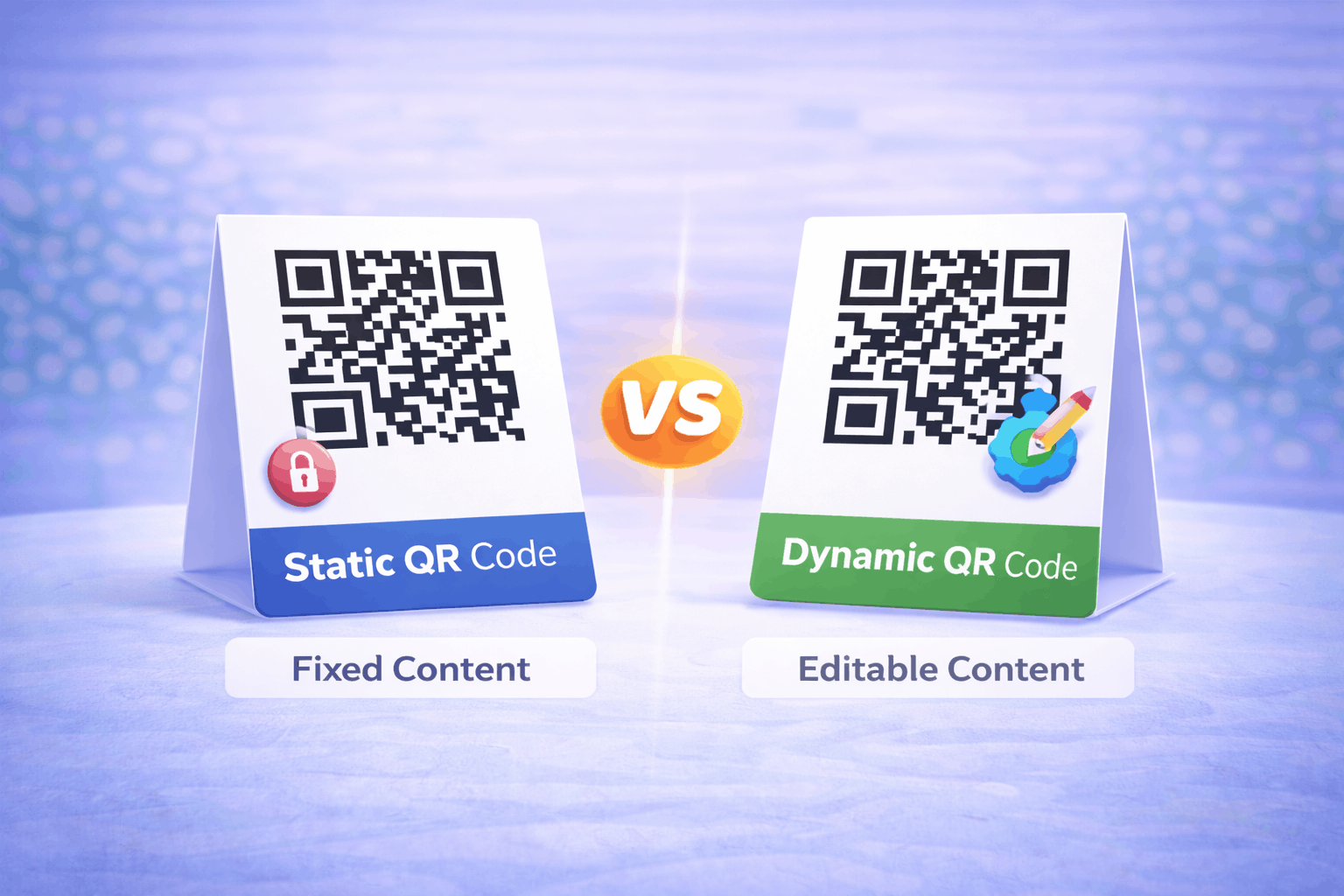
The table below highlights the key differences between static and dynamic QR codes.
| Feature | Static QR Code | Dynamic QR Code |
|---|---|---|
| Content editing | Not possible | Possible anytime |
| Scan tracking | Not available | Available |
| Flexibility | Low | High |
| Best suited for | Fixed information | Long term and evolving use cases |
For a deeper comparison and decision guidance, Types of QR Codes Static vs Dynamic What's the Difference explains when each option makes sense.
Limitations of Dynamic QR Codes
While dynamic QR codes offer many advantages, they also have limitations. Most dynamic QR codes depend on an external platform to manage redirects and content.
If the service managing the QR code is unavailable, the QR code may not function as expected. Dynamic QR codes also typically require an account or subscription to maintain advanced features.
Understanding these limitations helps users choose the right QR code type and avoid unrealistic expectations.
Common Myths About Dynamic QR Codes
A common myth is that dynamic QR codes are only for large companies. In reality, they are useful for anyone who needs flexibility or insights.
Another misconception is that dynamic QR codes always require complex setup. Most platforms simplify the process, making dynamic QR codes easy to use even for beginners.
Some users also believe dynamic QR codes expire automatically. Expiration depends on the platform and settings, not on the QR code type itself.
Frequently Asked Questions
- What makes a QR code dynamic?
A QR code is dynamic when it stores a redirect reference instead of final content, allowing updates after creation.
- Can dynamic QR codes be edited after printing?
Yes, the destination content of a dynamic QR code can be updated without changing the printed code.
- Do dynamic QR codes support scan tracking?
Yes, dynamic QR codes can track scans, locations, and devices depending on the platform used.
- Are dynamic QR codes secure?
Dynamic QR codes can be secure when managed properly, as destinations can be controlled and updated centrally.
- Are dynamic QR codes worth using?
Dynamic QR codes are worth using when flexibility, tracking, or long term use is required.
Conclusion
Dynamic QR codes offer flexibility, editability, and tracking capabilities that static QR codes cannot provide. They are ideal for long term use cases where content changes or performance insights matter. By understanding how dynamic QR codes work, their benefits, and their limitations, users can choose the right QR code type and use it confidently across different scenarios.