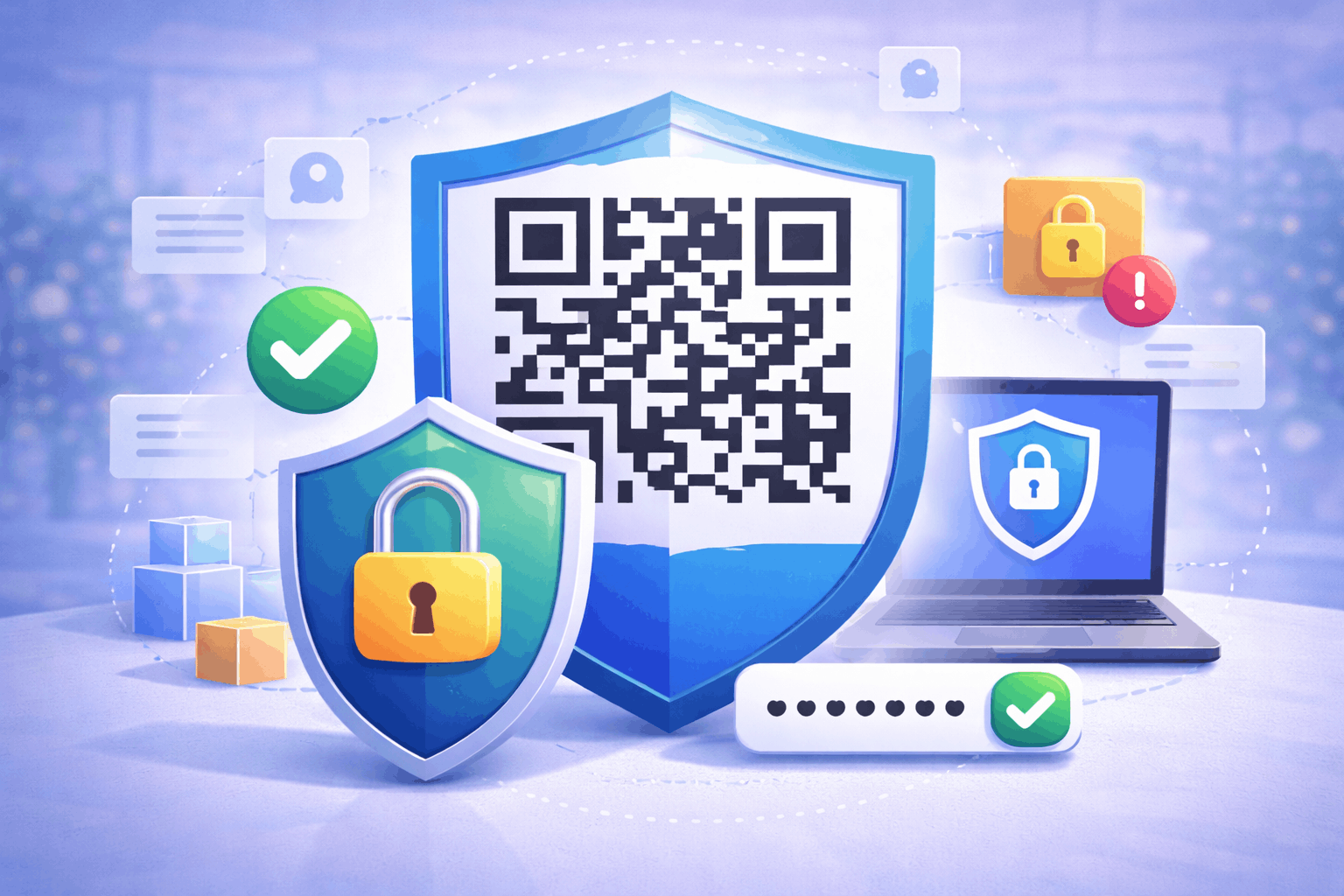
QR codes themselves are not dangerous, but the content they link to can pose risks if users are not careful. Most QR code related threats involve malicious destinations rather than the QR code technology itself. This guide explains how QR code scams work, the most common security risks, how to identify suspicious QR codes, and best practices for safe scanning.
Are QR Codes Safe?
QR codes are generally safe to use. They are simply a method of storing and sharing information in a scannable format. A QR code by itself cannot harm a device or steal data.
The potential risk comes from what happens after a QR code is scanned. If a QR code links to a harmful website or deceptive content, users may be exposed to security issues. Understanding this distinction is important for using QR codes confidently.
For users new to QR codes, What Is a QR Code The Complete Beginners Guide provides a helpful foundation before exploring security related topics.
Can QR Codes Be Dangerous?
QR codes can be dangerous only when they are used as a delivery method for malicious links or misleading information. The QR code does not contain harmful code, but it can redirect users to unsafe destinations.
Because QR codes hide the destination link until scanned, users may not immediately know where they are being redirected. This lack of visibility can be exploited by attackers if users scan codes from untrusted sources.
Being aware of where QR codes come from and how they are used significantly reduces potential risk.
How QR Code Scams Actually Work
Most QR code scams rely on social engineering rather than technical exploitation. Attackers place QR codes in public spaces, emails, or printed materials to lure users into scanning them.
Once scanned, the QR code may redirect users to a fake website that imitates a legitimate service. These sites may request login details, payment information, or personal data.
Some QR code scams redirect users to download malicious applications or prompt them to take unsafe actions. Understanding how these scams work helps users recognize and avoid them.
Common QR Code Security Risks
One common risk is phishing, where QR codes link to fake login pages designed to steal credentials. Another risk involves redirection to fraudulent payment pages that request sensitive financial information.
QR codes may also be used to distribute misleading information by redirecting users to manipulated content. In rare cases, QR codes can lead to sites that attempt to exploit browser vulnerabilities.
These risks are not unique to QR codes and exist anywhere links are shared. QR codes simply provide another way to access online content.
How to Identify Malicious QR Codes
Malicious QR codes often appear in unexpected locations or come from unknown sources. QR codes placed over existing stickers, posters, or signs should be treated with caution.
After scanning a QR code, users should check the displayed web address carefully. Suspicious domain names, spelling errors, or unfamiliar URLs are warning signs.
Avoid scanning QR codes that request sensitive information immediately. Legitimate QR codes usually lead to informational pages rather than demanding urgent action.
Best Practices for Safe QR Code Scanning
Only scan QR codes from trusted sources such as official websites, verified businesses, or known publications. Avoid scanning QR codes found randomly in public places without context.
Keep your device operating system and browser updated to reduce exposure to vulnerabilities. Most modern devices include built in protections against unsafe websites.
If a QR code redirects you to a page requesting personal or financial information, verify the site before proceeding. When in doubt, close the page and do not interact further.
When QR Codes Are Generally Safe to Use
QR codes are generally safe when they come from reputable sources and lead to clearly identifiable destinations. Businesses, institutions, and organizations often use QR codes responsibly for information sharing.
QR codes that link to official websites, documentation, or public resources pose minimal risk. Understanding How Do QR Codes Work The Technology Behind the Black and White Squares can help users trust the underlying technology.
In controlled environments, QR codes provide a secure and convenient way to access information quickly.
Security Measures Used by Trusted QR Code Platforms
Trusted QR code platforms implement safeguards to reduce misuse and protect users. These may include monitoring for suspicious destinations, limiting harmful redirects, and enforcing platform policies.
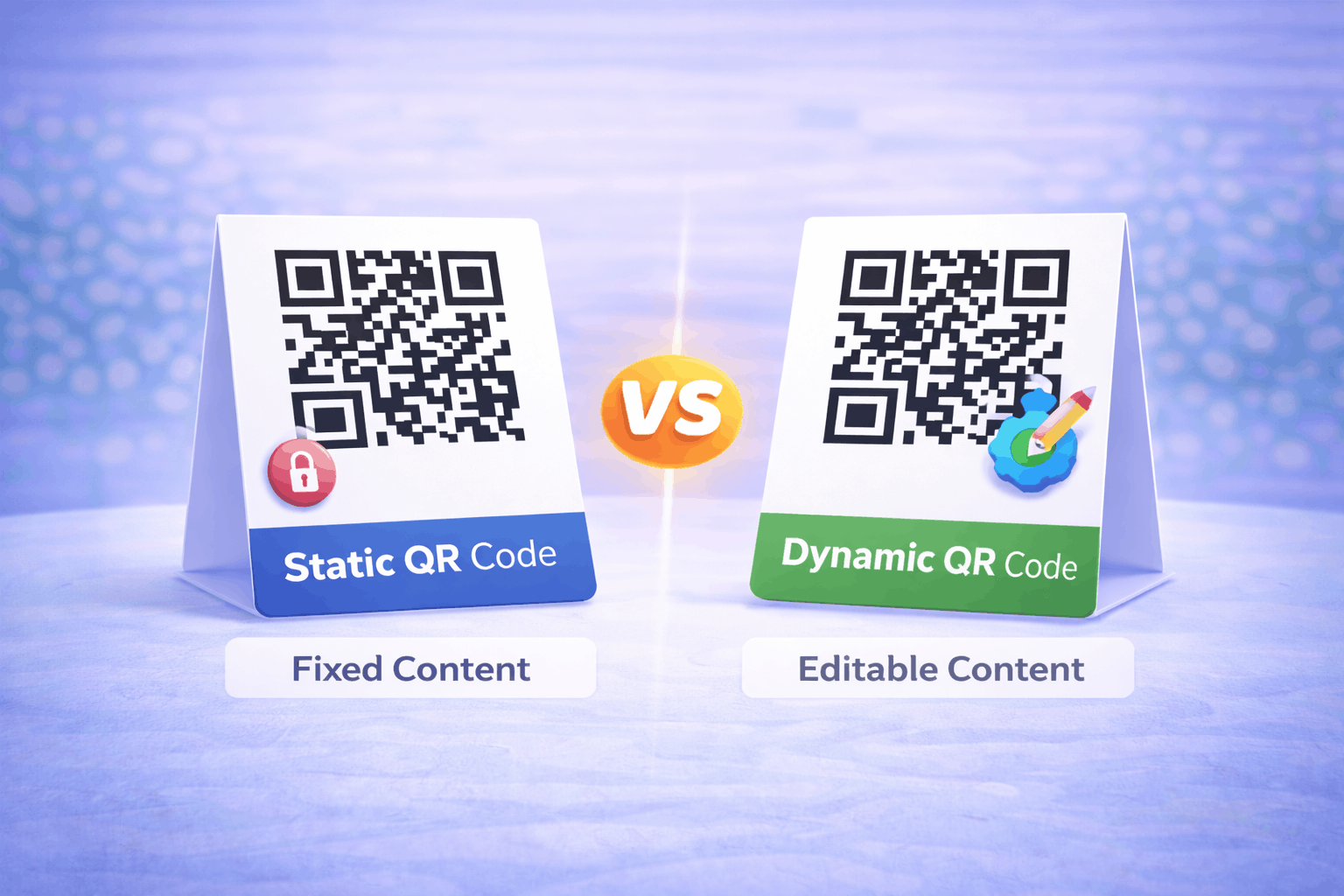
Dynamic QR code systems often allow destinations to be updated or disabled if suspicious activity is detected. This helps prevent long term exposure to malicious content.
Platforms offering Dynamic QR Code Generator capabilities often include analytics and control features that help identify abnormal usage patterns.
Common Myths About QR Code Safety
A common myth is that QR codes themselves contain viruses. In reality, QR codes only store data and cannot execute harmful actions on their own.
Another misconception is that all QR codes are unsafe. Most QR codes used by legitimate businesses and institutions are safe and well managed.
Some users believe QR codes automatically track personal data. Tracking depends on the destination and platform, not on the QR code itself
Frequently Asked Questions
- Are QR codes safe to scan with a smartphone?
Yes, QR codes are safe to scan as long as they come from trusted sources and users remain cautious about the content they open.
- Can QR codes install malware automatically?
No, QR codes cannot install malware by themselves. Risk only exists if users download files or apps from unsafe destinations.
- Should I avoid scanning QR codes in public places?
Not necessarily, but you should be cautious. Scan only QR codes that appear legitimate and verify the destination before interacting.
- Do dynamic QR codes increase security risks?
Dynamic QR codes do not inherently increase risk and can actually improve safety by allowing destinations to be updated or disabled if needed.
Conclusion
QR codes are a safe and reliable technology when used responsibly. Most security risks associated with QR codes involve deceptive destinations rather than the QR code itself. By understanding how QR code scams work and following safe scanning practices, users can confidently use QR codes without unnecessary concern.