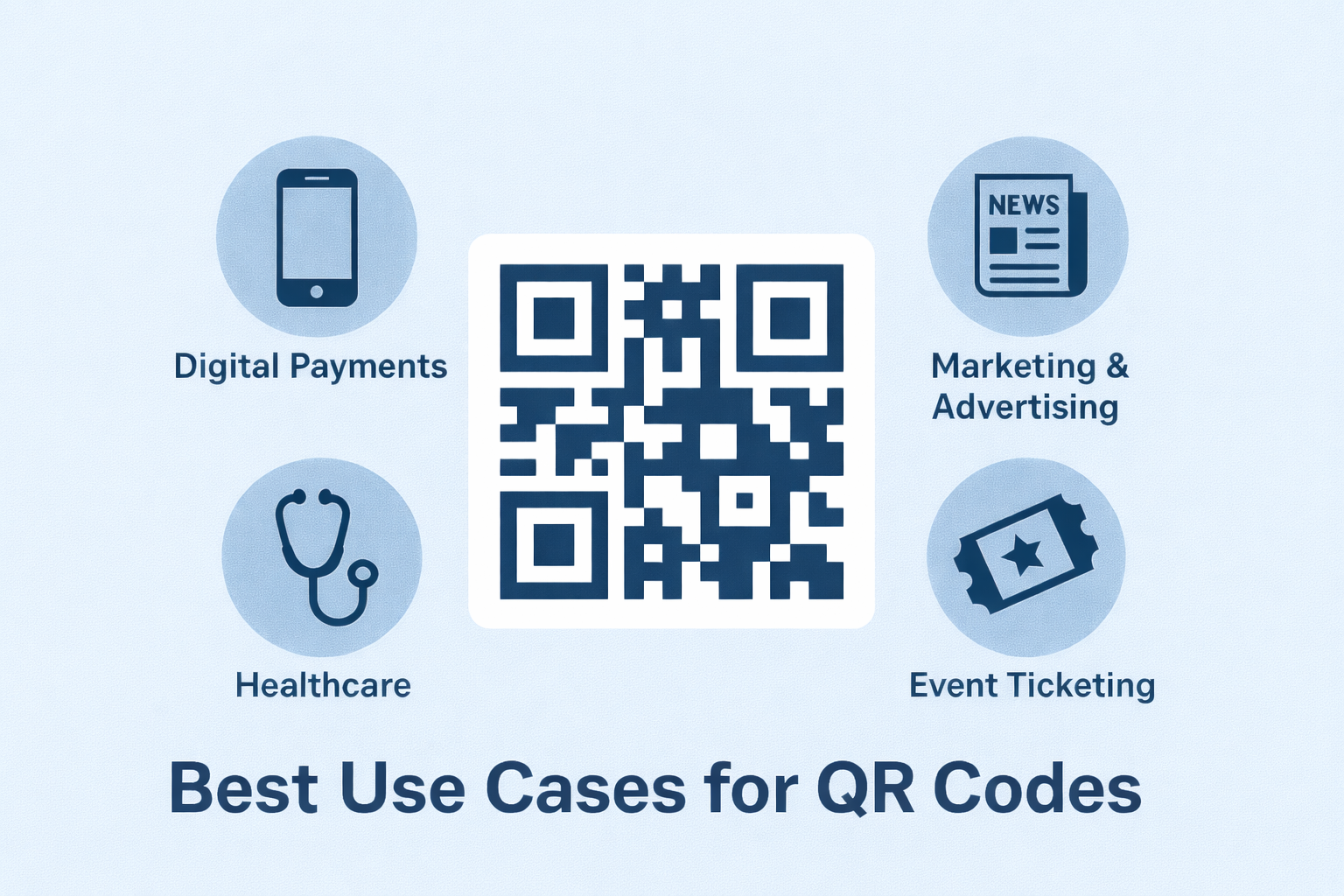
QR codes have become a powerful bridge between physical retail and digital commerce. Retail and e-commerce businesses use QR codes to share product information, offer discounts, enable contactless payments, collect reviews, and improve inventory management. This guide explains practical QR code use cases in retail and e-commerce, how to choose the right QR code type, and best practices for long-term success.
Why QR Codes Matter in Retail and E-commerce
Retail and e-commerce businesses operate across multiple touchpoints, from physical stores and packaging to websites and marketplaces. QR codes help connect these touchpoints seamlessly.
With a simple scan, customers can access detailed information, complete actions, or continue their shopping journey online. This reduces friction, improves engagement, and creates a more connected customer experience.
For businesses, QR codes offer flexibility, scalability, and measurable engagement when used correctly.
Product Information and Authenticity Verification
QR codes are widely used to provide instant access to product details. Scanning a QR code on packaging can open product descriptions, specifications, usage instructions, or warranty information.
They are also effective for authenticity verification. Brands can link QR codes to verification pages that confirm whether a product is genuine. This is especially useful in categories like electronics, cosmetics, and luxury goods.
Using dynamic QR codes allows product information to be updated without reprinting packaging, which is a major advantage for retailers.
Discounts, Coupons, and Loyalty Programs
Retailers frequently use QR codes to distribute discounts and promotional offers. A QR code can link directly to a coupon page, promotional landing page, or loyalty signup form.
This approach simplifies redemption and encourages repeat purchases. Customers no longer need to remember codes or download separate apps.
QR codes also work well for loyalty programs, allowing customers to track points, rewards, or exclusive offers through a single scan.
Contactless Payments
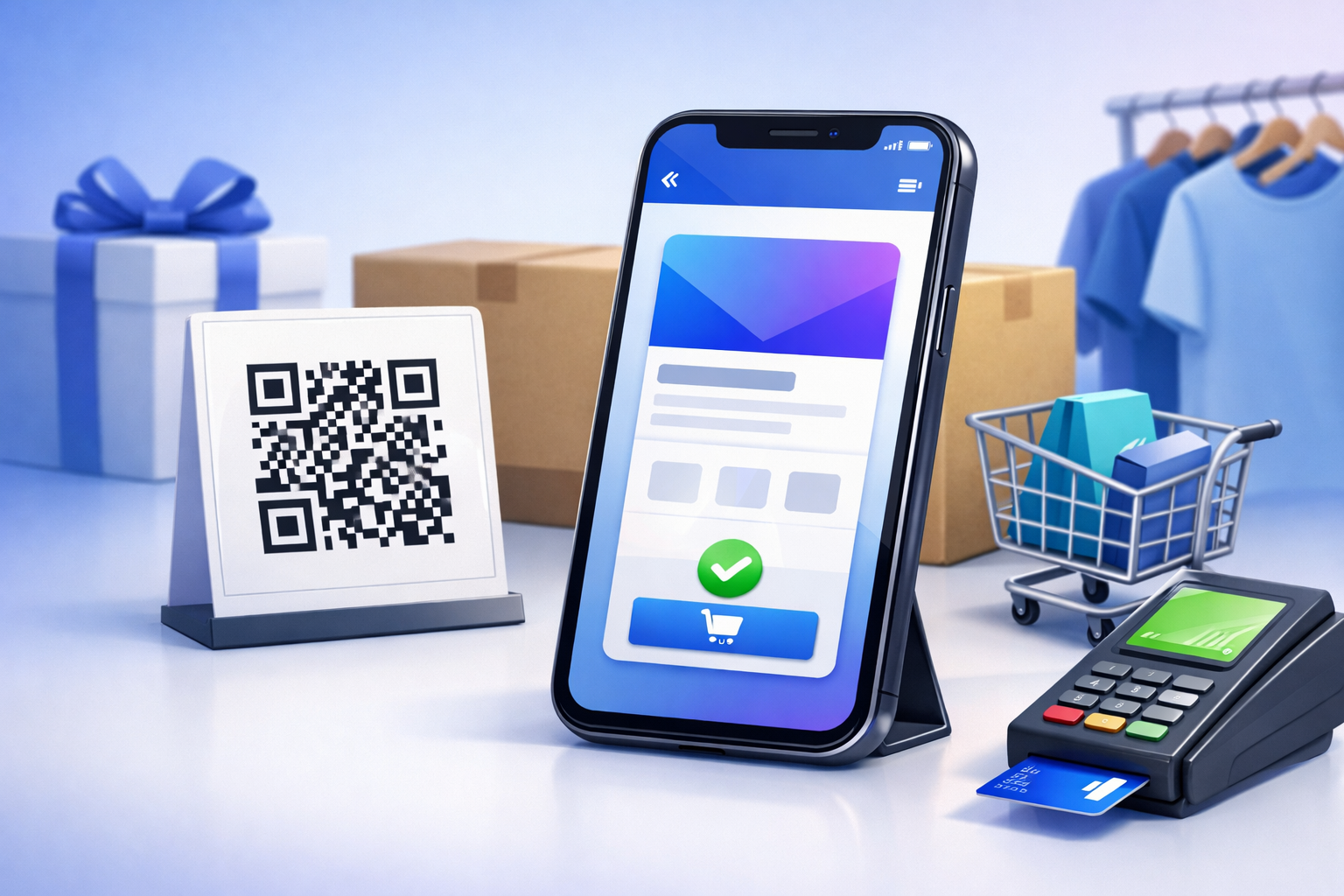
Contactless payments are another key use case for QR codes in retail and e-commerce. QR codes can link to payment pages or apps, allowing customers to complete transactions quickly.
This method is especially useful for pop-up stores, events, and small retailers that want a low-cost payment solution.
QR code payments reduce checkout friction and improve the overall customer experience.
Social Media and Online Store Links
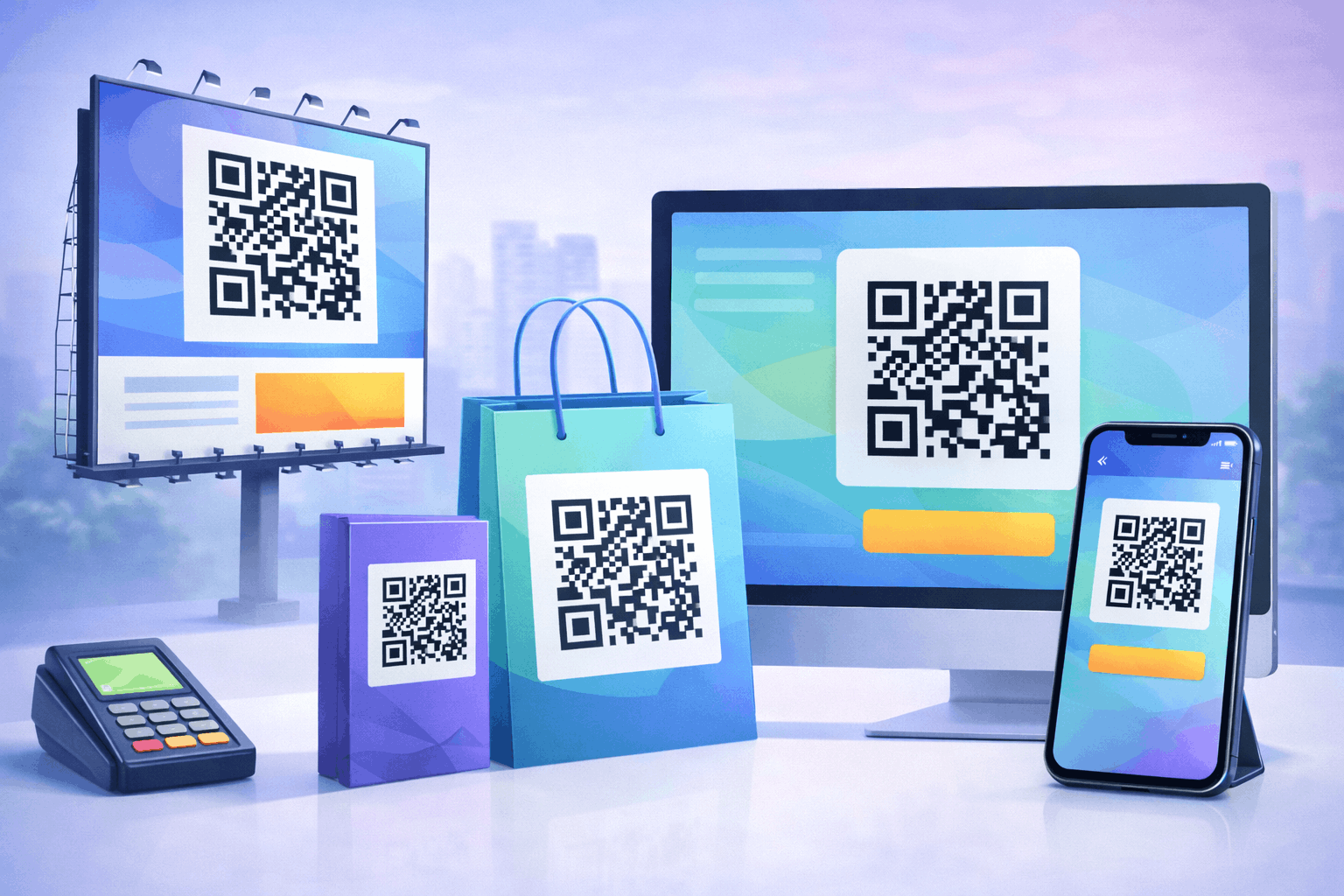
QR codes help retailers drive traffic from physical locations to digital platforms. Scanning a QR code can open an online store, product page, or social media profile.
This is commonly used on packaging, receipts, posters, and in-store displays. It helps brands grow their online presence while keeping the offline experience connected.
Multi-destination setups such as What Is a Multi-URL QR Code are particularly useful when linking to multiple platforms.
Post-Purchase Engagement and Reviews
After a purchase, QR codes can be used to collect reviews, feedback, or encourage repeat engagement. Placing QR codes on receipts or packaging allows customers to leave reviews easily.
This increases review participation and helps businesses gather valuable customer insights. It also supports better brand credibility across online marketplaces.
Post-purchase QR codes can also link to care guides, tutorials, or related products, extending engagement beyond the initial sale.
Inventory and Supply Chain Management
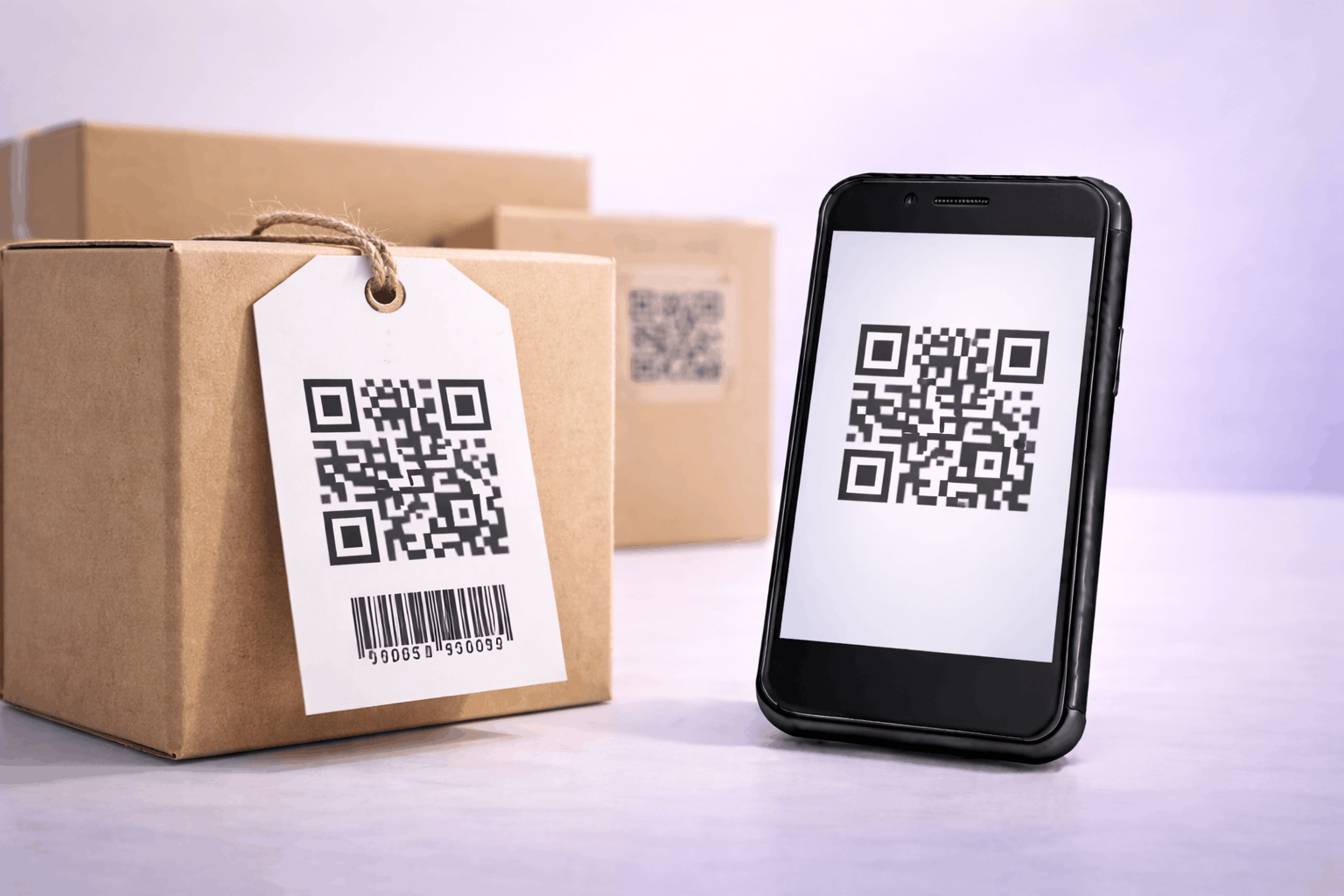
QR codes are not limited to customer facing use cases. Retailers also use them internally for inventory and supply chain management.
QR codes can track product movement, manage stock levels, and link to internal databases or dashboards. This improves efficiency and reduces manual errors.
For businesses operating across multiple locations, QR codes simplify tracking and coordination.
Static vs Dynamic QR Codes for Retail and E-commerce
Choosing between static and dynamic QR codes is an important decision for retail use cases.
Static QR codes are suitable for fixed information that will not change, such as basic product details or permanent website links.
Dynamic QR codes offer more flexibility. They allow updates, support analytics, and enable advanced use cases like campaign tracking or multi-destination routing. A detailed comparison is available in Static vs Dynamic QR Codes: When and Why to Use Each.
For most retail and e-commerce scenarios, dynamic QR codes provide better long-term value.
How to Choose the Right QR Code for Your Retail Business
The right QR code depends on your goals. If you need to update content, track engagement, or manage campaigns, dynamic QR codes are the better option.
If your use case is simple and permanent, static QR codes may be sufficient. Consider where the QR code will be placed, how long it will be used, and whether the content may change.
Platforms like Enqode QR help businesses manage different QR code types, update content easily, and scale QR code usage across retail operations.
Best Practices for Using QR Codes in Retail and E-commerce
Always test QR codes across multiple devices before deployment. Ensure they scan quickly and open the intended content.
Maintain good contrast and proper sizing, especially for printed QR codes. Follow guidelines outlined in How to Print QR Codes Without Losing Quality.
Avoid overloading QR codes with too many actions. Keep the user journey clear and focused to maximize engagement.
Conclusion
QR codes offer retail and e-commerce businesses a versatile way to connect physical and digital experiences. From product information and payments to reviews and inventory management, QR codes support multiple touchpoints across the customer journey. By choosing the right QR code type and following best practices, retailers can create efficient, engaging, and scalable QR-powered experiences.