QR codes are increasingly replacing traditional barcodes because they store more data, support mobile scanning, allow dynamic updates, and enable tracking and analytics. While barcodes still serve simple identification purposes, QR codes offer greater flexibility and richer digital experiences. This guide explains the key reasons behind the shift from barcodes to QR codes and when each technology makes sense.
What Are Barcodes and QR Codes
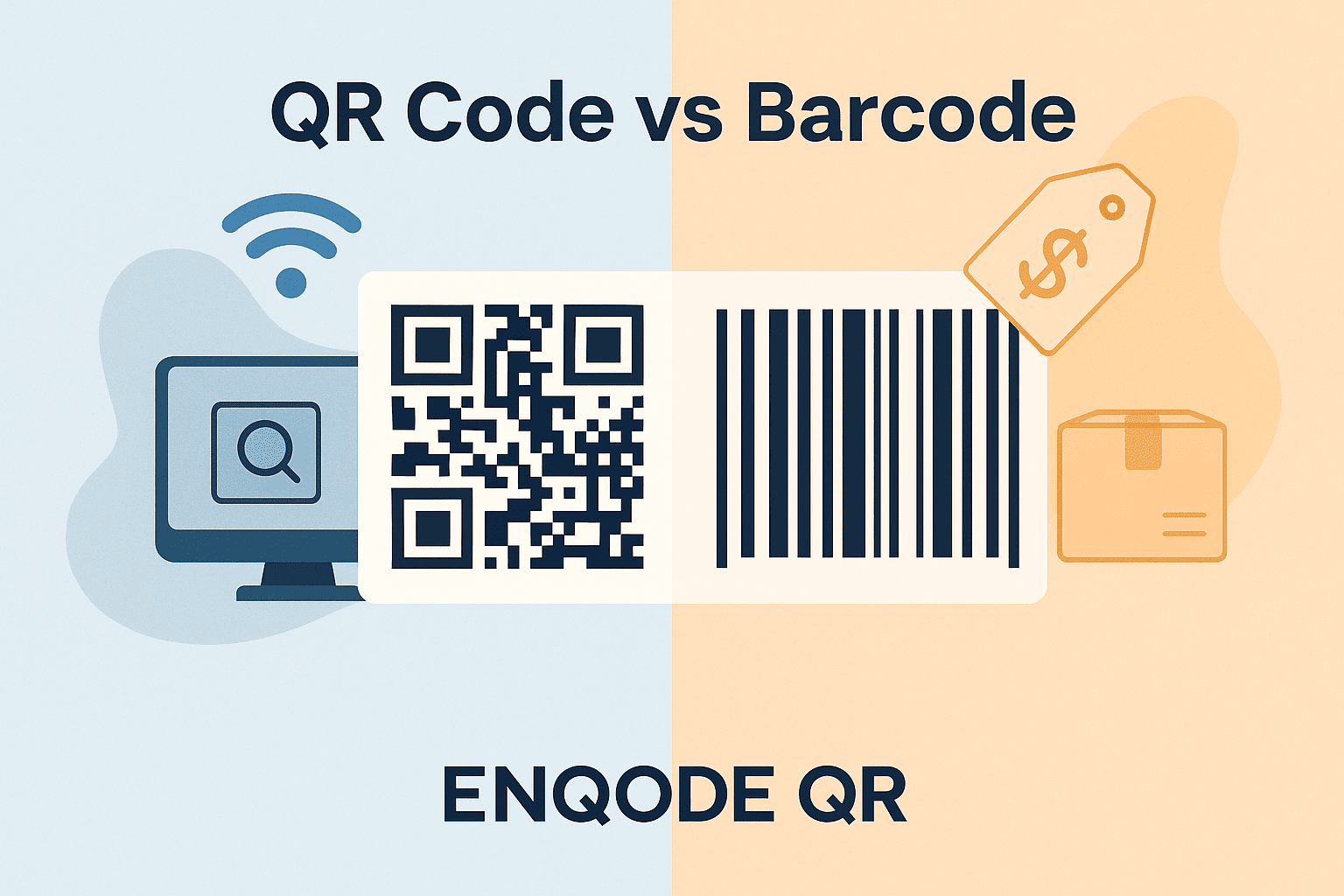
Barcodes and QR codes are both machine readable codes used to store and retrieve information. Barcodes store data in a single horizontal direction using parallel lines, while QR codes store data in two dimensions using a square grid.
Traditional barcodes are designed primarily for product identification and inventory systems. QR codes were developed later to overcome barcode limitations by allowing faster scanning and greater data capacity.
For readers new to QR codes, What Is a QR Code The Complete Beginners Guide explains the fundamentals in simple terms.
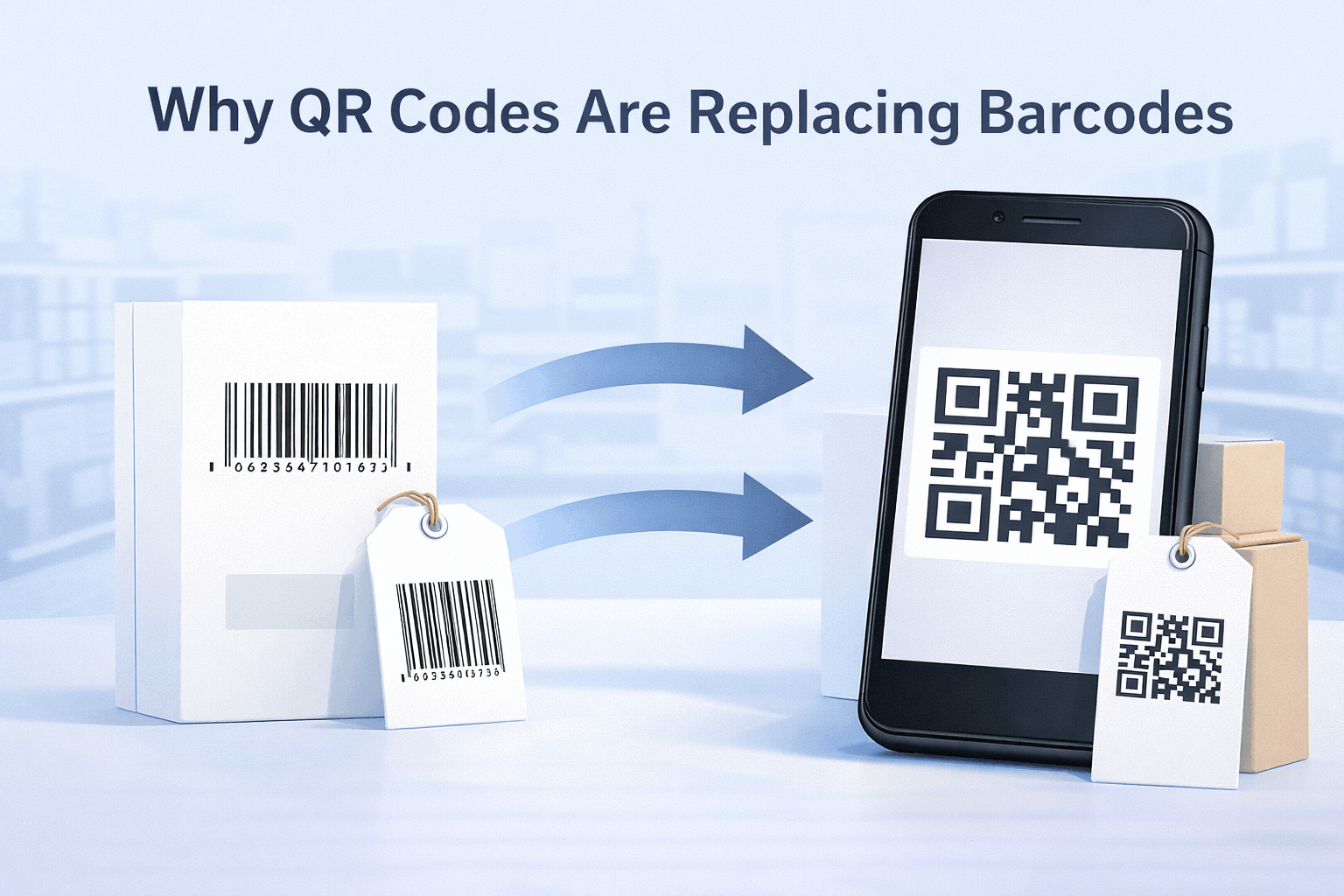
Why QR Codes Are Replacing Traditional Barcodes
QR codes are replacing barcodes because modern use cases demand more than simple identification. Businesses increasingly need interactive, trackable, and mobile friendly ways to share information.
QR codes connect physical items directly to digital content such as websites, files, videos, and forms. This capability aligns better with how consumers and businesses operate today.
The shift is driven by usability, flexibility, and the ability to support evolving digital experiences.
Higher Data Capacity Enables Richer Experiences
One of the biggest reasons QR codes are replacing barcodes is data capacity. Barcodes can store only a small amount of information, usually a product number.
QR codes can store URLs, text, contact details, and other data types. This allows businesses to share meaningful content instead of relying on backend lookups.
Richer data enables use cases such as digital menus, product instructions, and marketing campaigns that barcodes cannot support effectively.
Designed for Mobile First Scanning
QR codes are designed to be scanned easily using smartphone cameras. This eliminates the need for dedicated scanning hardware in many situations.
Barcodes often require specific scanners and precise alignment. QR codes can be scanned from any angle, making them faster and more convenient in real world environments.
Mobile first scanning has played a major role in QR code adoption across consumers and businesses alike.
Dynamic and Editable Content Capability
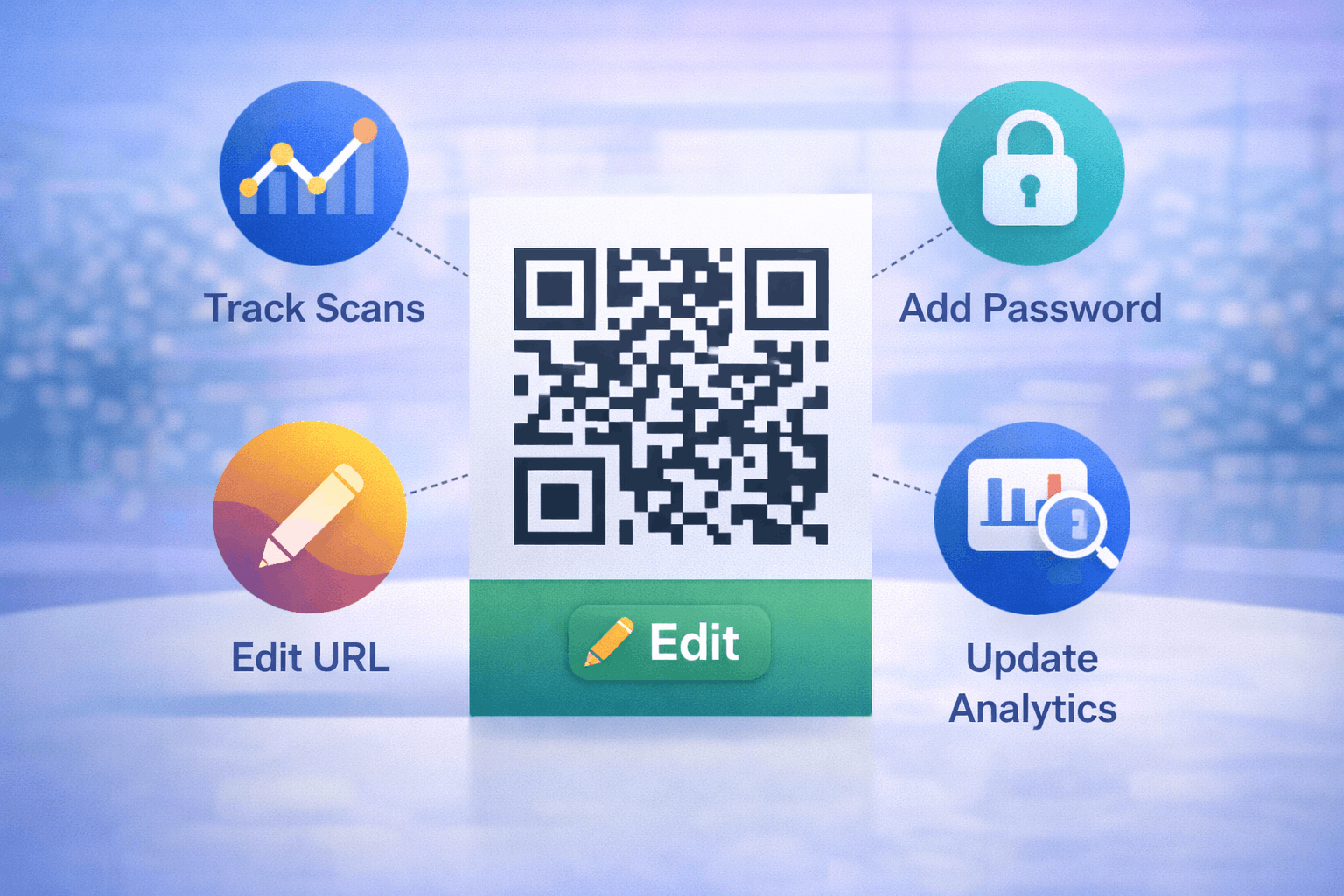
QR codes can be static or dynamic. Dynamic QR codes allow the destination content to be updated after the code is created.
This capability is not possible with traditional barcodes. If information changes, barcodes must be replaced entirely.
Dynamic QR codes are especially valuable for long term use cases. Types of QR Codes Static vs Dynamic What's the Difference explains how this flexibility works in practice.
Built In Trackability and Analytics
QR codes can support scan tracking and analytics, providing insights into user engagement. Businesses can measure how often QR codes are scanned and where interactions occur.
Barcodes do not offer this visibility. They are scanned internally but do not provide engagement data for marketing or customer interaction.
Tracking and analytics have made QR codes a powerful tool for marketers and businesses using QR Code Generator with Analytics solutions.
Compact Size with Greater Information Density
QR codes store more information in a smaller space compared to barcodes. This compact design allows QR codes to fit on packaging, labels, and small surfaces without sacrificing functionality.
The two dimensional structure distributes data efficiently across the grid. This makes QR codes more versatile in design constrained environments.
Smaller footprint combined with higher capacity gives QR codes a clear advantage.
Superior Error Correction and Reliability
QR codes include built-in error correction that allows them to remain scannable even when partially damaged or obscured.
Traditional barcodes lack this feature and often fail if the printed lines are scratched or distorted.
This reliability makes QR codes suitable for real world conditions where wear and tear are unavoidable. How Do QR Codes Work The Technology Behind the Black and White Squares explains this technical advantage in detail.
Wider Adoption Across Industries
QR codes are widely adopted across marketing, retail, healthcare, education, hospitality, and logistics. They support both consumer facing and internal business use cases.
Barcodes remain common in inventory systems, but QR codes are expanding into areas where interaction and information sharing are required.
Many of these applications are covered in Best Use Cases for QR Codes Across Industries, which shows how QR codes are used beyond basic identification.
Lower Long Term Cost and Environmental Benefits
QR codes reduce long term costs by minimizing reprints. Dynamic QR codes allow content updates without replacing physical materials.
This flexibility also supports environmental goals by reducing paper waste. Businesses can update digital content rather than discarding outdated printed items.
Over time, these cost and sustainability benefits contribute to QR code adoption.
When Barcodes Still Make Sense
Despite the advantages of QR codes, barcodes still have a place. They are efficient for simple product identification and high speed retail scanning.
In environments where only a reference number is required, barcodes remain practical and cost effective.
Understanding when to use each technology helps organizations choose the right tool rather than replacing barcodes unnecessarily.
Frequently Asked Questions
- Are QR codes replacing barcodes completely?
QR codes are replacing barcodes in many use cases, but barcodes are still used for simple identification and inventory systems.
- Why do QR codes store more data than barcodes?
QR codes store data in two dimensions, allowing more information to be encoded compared to one dimensional barcodes.
- Can QR codes be scanned without special equipment?
Yes, QR codes can be scanned using standard smartphone cameras, while barcodes often require dedicated scanners.
- Do QR codes cost more than barcodes?
QR codes can reduce long term costs because they support dynamic updates and eliminate the need for frequent reprinting.
Conclusion
QR codes are replacing traditional barcodes because they offer greater data capacity, mobile friendly scanning, dynamic content, and analytics. While barcodes still serve specific purposes, QR codes better support modern digital interactions. Understanding this shift helps businesses and individuals choose the right technology for their needs.