QR codes are transforming hospitality and travel by improving guest convenience, streamlining operations, and enhancing digital engagement. From hotels and restaurants to airlines and travel agencies, QR codes connect physical services with instant digital access. This guide explains how QR codes are used across hospitality and travel environments, how to create them effectively, and how to maintain security and performance in high-traffic guest settings.
Why QR Codes Matter in Hospitality and Travel
Hospitality and travel businesses operate in fast-paced environments where guest convenience and operational efficiency are essential. QR codes provide a simple way to connect physical guest touchpoints with digital services. By scanning a QR code, guests can check in, access menus, view itineraries, or navigate facilities instantly. For hotels, airlines, and travel operators, QR codes reduce paperwork, improve service speed, and enable real-time content updates. This makes them valuable for both luxury properties seeking premium digital experiences and mass travel operations focused on efficiency.
Core Applications of QR Codes in Hotels and Resorts
a) Contactless check-in and check-out
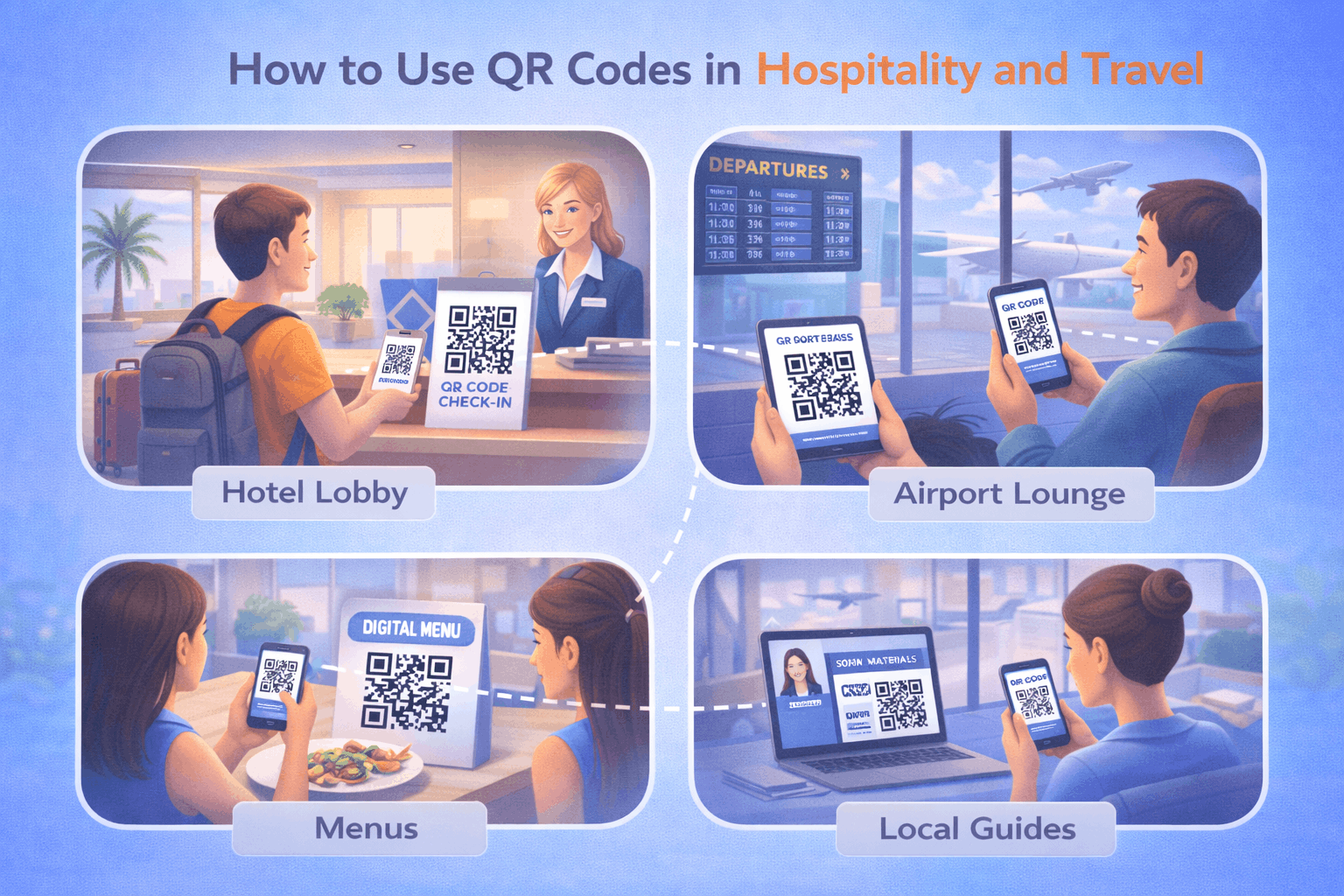
Hotels can place QR codes in booking confirmations or at reception areas to streamline check-in. Guests scan a QR code linked to a secure portal, reducing wait times and front desk congestion. A landing page qr code allows hotels to update check-in instructions without reprinting signage.
b) Digital room service menus and in-room guides
Instead of printed binders, hotels can provide digital menus and service guides through a menu qr code. Guests can scan the code to access room service options, spa bookings, or facility details instantly. A file qr code can also allow downloadable brochures or property guides.
c) Loyalty programs and promotions
Hotels and resorts can use QR codes to enroll guests in loyalty programs or share promotional offers. QR codes linked to dedicated campaign pages allow real-time updates and personalized offers for returning guests.
QR Codes in Restaurants and Cafes Within Hospitality
a) Digital menus and ordering
Restaurants within hotels or standalone establishments can use QR codes for contactless dining. A menu qr code allows guests to browse items and place orders digitally, improving hygiene and service speed.
b) Special offers and coupons
QR codes displayed on tables or receipts can direct guests to exclusive discounts or seasonal promotions. A payment qr code can also enable quick digital transactions without cash or card handling.
c) Feedback and review collection
Guest feedback is critical in hospitality. A review qr code placed at checkout counters or on receipts allows guests to share feedback instantly, improving online visibility and service insights.
QR Codes in Airlines, Airports, and Transportation
a) Boarding passes and flight information
Airlines use QR codes on digital boarding passes for seamless verification. QR codes can also link passengers to updated flight information and gate details, reducing confusion during travel.
b) Baggage tracking and navigation
Airports can use QR codes to guide passengers to baggage claim areas or service desks. A link qr code placed on signage can connect travellers to real-time navigation maps.
c) Lounge access and duty-free services
Premium lounges and duty-free stores can use QR codes for entry verification, offers, or product catalogs. QR codes simplify access while maintaining efficient crowd management.
QR Codes for Travel Agencies and Tour Operators
a) Digital itineraries and booking confirmations
Travel agencies can share itineraries through QR codes included in confirmation emails or printed documents. A QR code linked to a dynamic itinerary page ensures travellers always access updated schedules.
b) Local tour guides and maps
Tour operators can place QR codes at attractions or transport points to provide maps, audio guides, or cultural information digitally.
c) Event and excursion tickets
Excursion tickets can be issued as QR codes for quick validation at entry points. An event qr code simplifies ticket scanning and reduces manual verification errors.
Marketing and Guest Engagement in Hospitality
QR codes enhance marketing efforts by linking guests to social platforms, promotions, or virtual tours. A social media qr code can encourage guests to follow hotel profiles or share experiences. QR codes on promotional materials can direct travellers to immersive content, booking pages, or special campaigns, increasing engagement beyond physical touchpoints.
How to Create QR Codes for Hospitality and Travel (Step by Step)
Creating QR codes for hospitality and travel follows a simple three-step process.
- 1
Choose your QR code type: Select the relevant option from the available QR Code Types based on your need, such as menu, file, link, event, review, payment, or landing page QR codes.
- 2
Enter details or upload and Customize: Add your booking link, menu file, review page, or payment portal. Customize the QR code while maintaining strong contrast and readability in various lighting conditions.
- 3
Download and Share: Generate the QR code, download it in your preferred format, and test it across devices. Place it in guest rooms, reception areas, airport kiosks, or printed travel documents.
Tools like the QR Code Generator on Enqode QR follow this same flow, allowing hospitality businesses to manage multiple QR codes efficiently.
Static vs Dynamic QR Codes in Travel Environments
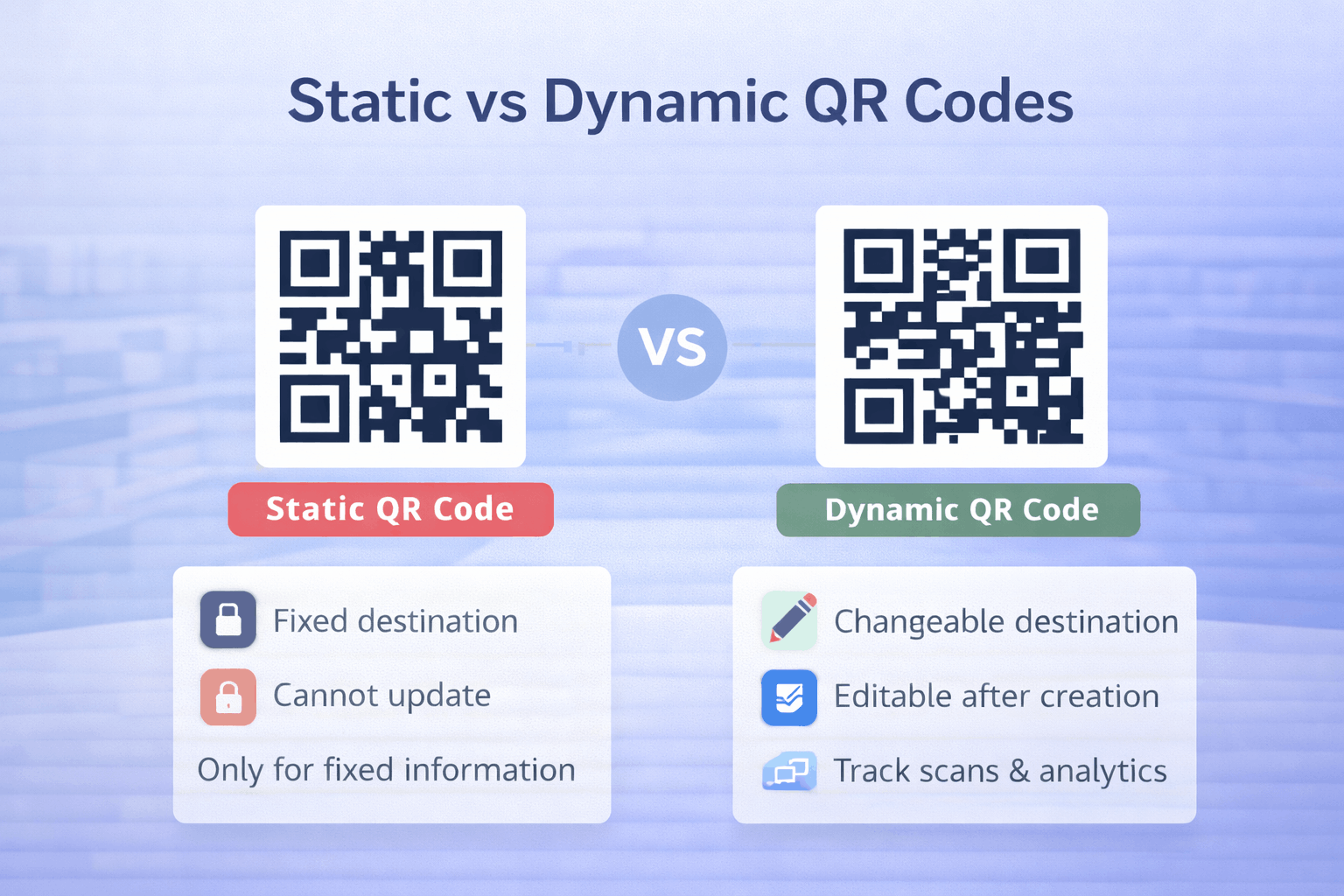
Static QR codes are suitable for permanent resources such as general information pages. Dynamic QR codes allow businesses to update content without replacing printed materials, which is particularly useful for seasonal promotions or schedule changes. For a detailed comparison, refer to Static vs Dynamic QR Codes: When and Why to Use Each. Businesses operating at scale may benefit from using a dynamic qr code generator for flexibility and performance tracking.
Security and Privacy Considerations
Hospitality and travel businesses must ensure QR codes link to secure and authorized platforms. Sensitive booking information should not be embedded directly in static QR codes. Clear labelling should explain what guests will access before scanning. Regular testing ensures QR codes function correctly and redirect safely.
Frequently Asked Questions
- Are QR codes suitable for both luxury and budget hospitality segments?
Yes. QR codes improve efficiency in high-volume environments and enhance digital experiences in luxury properties.
- Can QR codes reduce check-in time at hotels?
Yes. QR codes linked to digital forms or portals streamline check-in and reduce front desk workload.
- Do travelers need special apps to scan QR codes?
No. Most smartphones can scan QR codes using built-in camera features.
Conclusion
QR codes are enhancing hospitality and travel by improving guest convenience, operational efficiency, and marketing engagement. From hotel check-ins and restaurant menus to airline boarding passes and travel itineraries, QR codes provide scalable solutions across the industry. By choosing appropriate QR code types and following best practices, hospitality and travel businesses can create seamless digital experiences that benefit both guests and operators.