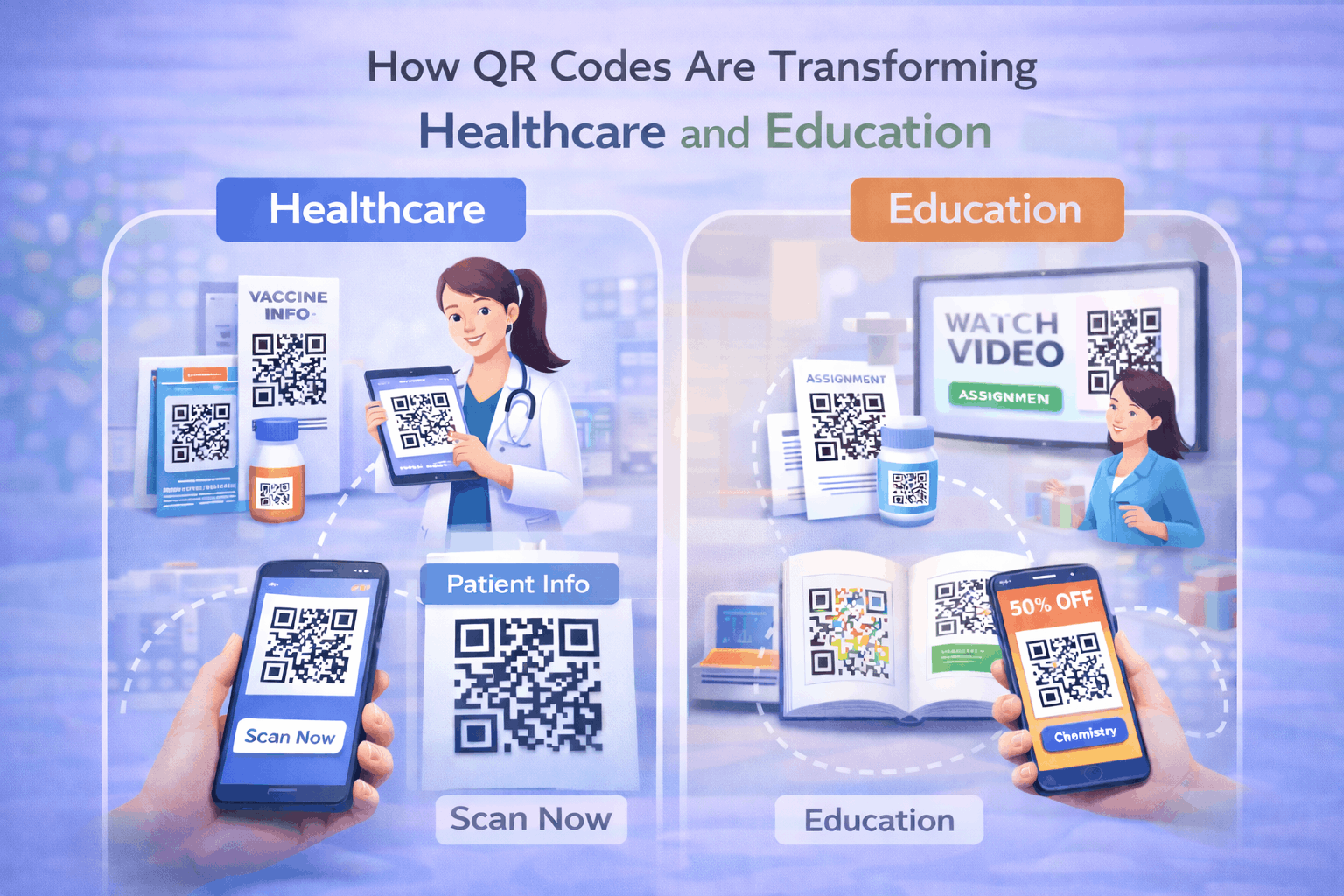
QR codes are helping healthcare institutions improve patient safety, streamline operations, and enhance communication. From patient identification and digital records to telemedicine access and public health campaigns, QR codes bridge physical healthcare environments with secure digital systems. This guide explains how QR codes are used in healthcare, real-world implementation examples, operational benefits, and best practices for secure and compliant deployment.
Why QR Codes Are Important in Modern Healthcare
Healthcare environments require accuracy, speed, and secure access to information. QR codes provide a reliable bridge between physical patient interactions and digital healthcare systems. By scanning a QR code, patients and staff can instantly access medical information, appointment details, reports, and educational materials. For hospitals and clinics, QR codes reduce paperwork, improve workflow efficiency, and enhance communication. Their ability to connect printed materials, wristbands, packaging, and facility signage to secure digital resources makes them highly practical in modern healthcare operations.
Core Applications of QR Codes in Healthcare
a) Patient identification and safety
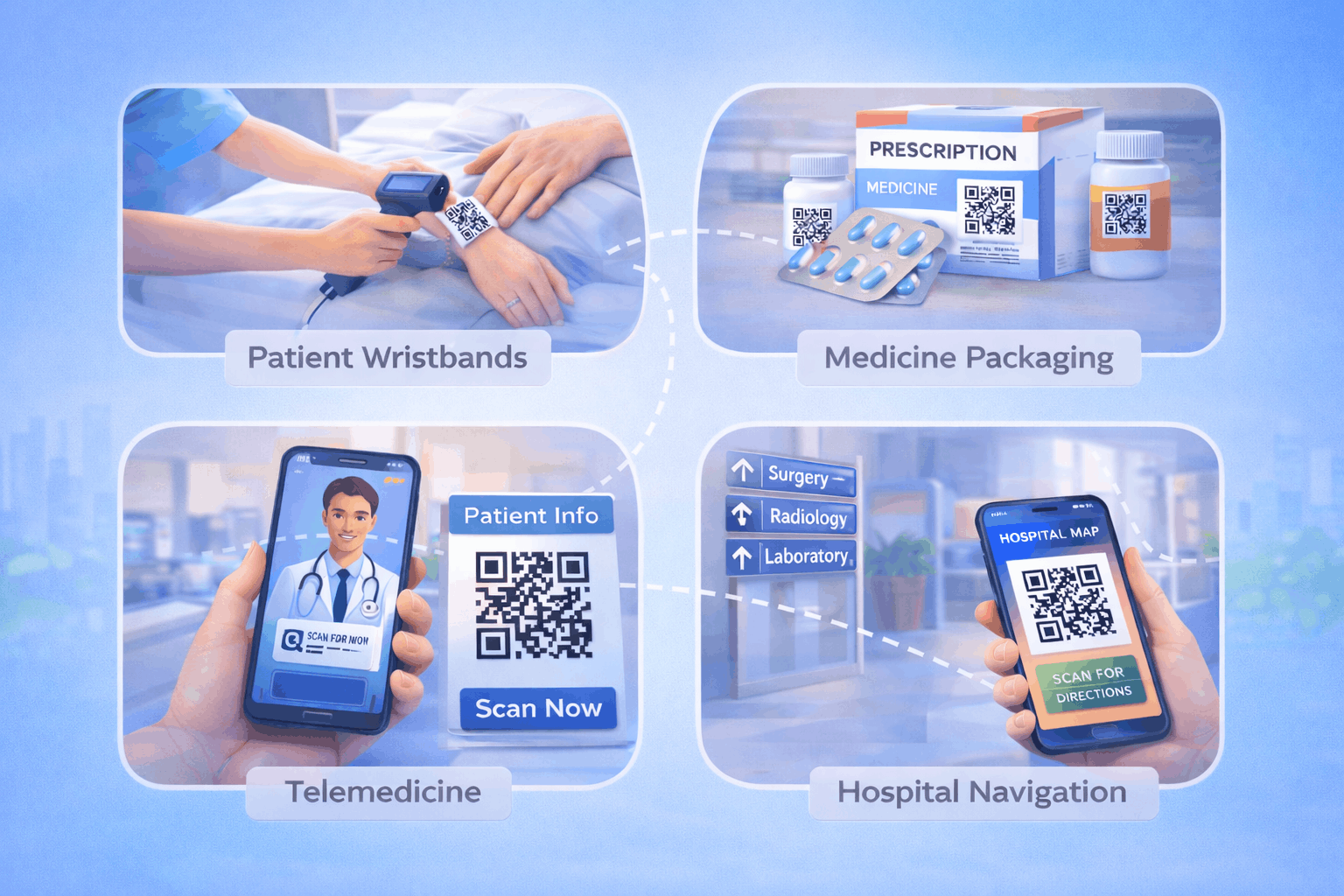
Patient safety depends on accurate identification and access to medical information. Hospitals can place QR codes on wristbands or patient files that link to secure records. A link qr code can direct authorized staff to patient dashboards, reducing manual data entry errors and improving response time in emergency situations.
b) Digital health records and test reports
QR codes can provide patients with access to lab reports, prescriptions, and discharge summaries. A file qr code allows secure download of test reports or medical summaries without requiring physical copies. This improves patient convenience while reducing administrative workload.
c) Medicine packaging and anti-counterfeiting
Pharmaceutical companies use QR codes on medicine packaging to verify authenticity and provide dosage information. Scanning a QR code can direct patients to official product pages, safety instructions, or regulatory approvals. A landing page qr code ensures that updated safety information can be accessed without changing packaging design.
d) Appointment scheduling and contactless check-ins
Healthcare facilities can streamline appointments by linking QR codes to digital check-in systems. A form qr code can allow patients to confirm appointments, update information, or complete intake forms before consultation, reducing waiting time and front-desk congestion.
e) Hospital wayfinding and facility navigation
Large hospitals and medical campuses often require navigation support. QR codes placed at entrances and corridors can link to digital maps. A wi-fi qr code can also help patients connect to hospital networks quickly, improving overall experience.
f) Telemedicine access and remote care
Telemedicine appointments can be simplified using QR codes that connect patients directly to consultation portals. A QR code sent via email or printed on appointment cards ensures quick access without manual searching. Using a dynamic qr code generator allows healthcare providers to update telemedicine links securely without reprinting materials.
g) Public health communication campaigns
Public health departments can use QR codes in vaccination drives, awareness posters, and community outreach programs. QR codes can link to guidelines, booking portals, or informational resources, ensuring that communities receive accurate and updated information quickly.
Real-World Implementation Examples in Healthcare
A multi-specialty hospital may use QR codes on patient wristbands to provide staff with immediate access to medical records, reducing identification errors. A diagnostic lab may issue QR codes on printed receipts that allow patients to download test reports digitally. Pharmaceutical manufacturers commonly place QR codes on packaging to combat counterfeit medicines and improve traceability. Public health agencies often use QR codes on vaccination posters that link citizens to booking systems and educational content. These examples demonstrate how QR codes integrate into everyday healthcare workflows without disrupting operations.
Operational Benefits of QR Codes in Healthcare Systems
QR codes help reduce administrative burden by digitizing repetitive processes such as form filling and document distribution. They improve patient engagement by providing instant access to information and reduce printing costs by shifting materials online. QR codes also support better communication between departments by ensuring consistent and updated information. When implemented correctly, they enhance both patient experience and operational efficiency.
How to Create Secure QR Codes for Healthcare (Step by Step)
Creating QR codes for healthcare use cases follows a simple three-step process while maintaining security considerations.
- 1
Choose your QR code type: Select the relevant option from the available QR Code Types depending on your need, such as link, file, form, landing page, or Wi-Fi QR codes.
- 2
Enter details or upload and Customize: Add your secure portal link, downloadable file, or appointment form URL. Ensure links point only to encrypted and authorized systems. Customize the QR code while maintaining high contrast and readability.
- 3
Download and Share: Generate the QR code, download it in your preferred format, and test it across devices. Place it on wristbands, documents, packaging, or facility signage where appropriate.
Tools like the QR Code Generator on Enqode QR follow this same flow, helping institutions manage multiple QR codes efficiently.
Static vs Dynamic QR Codes in Clinical Environments
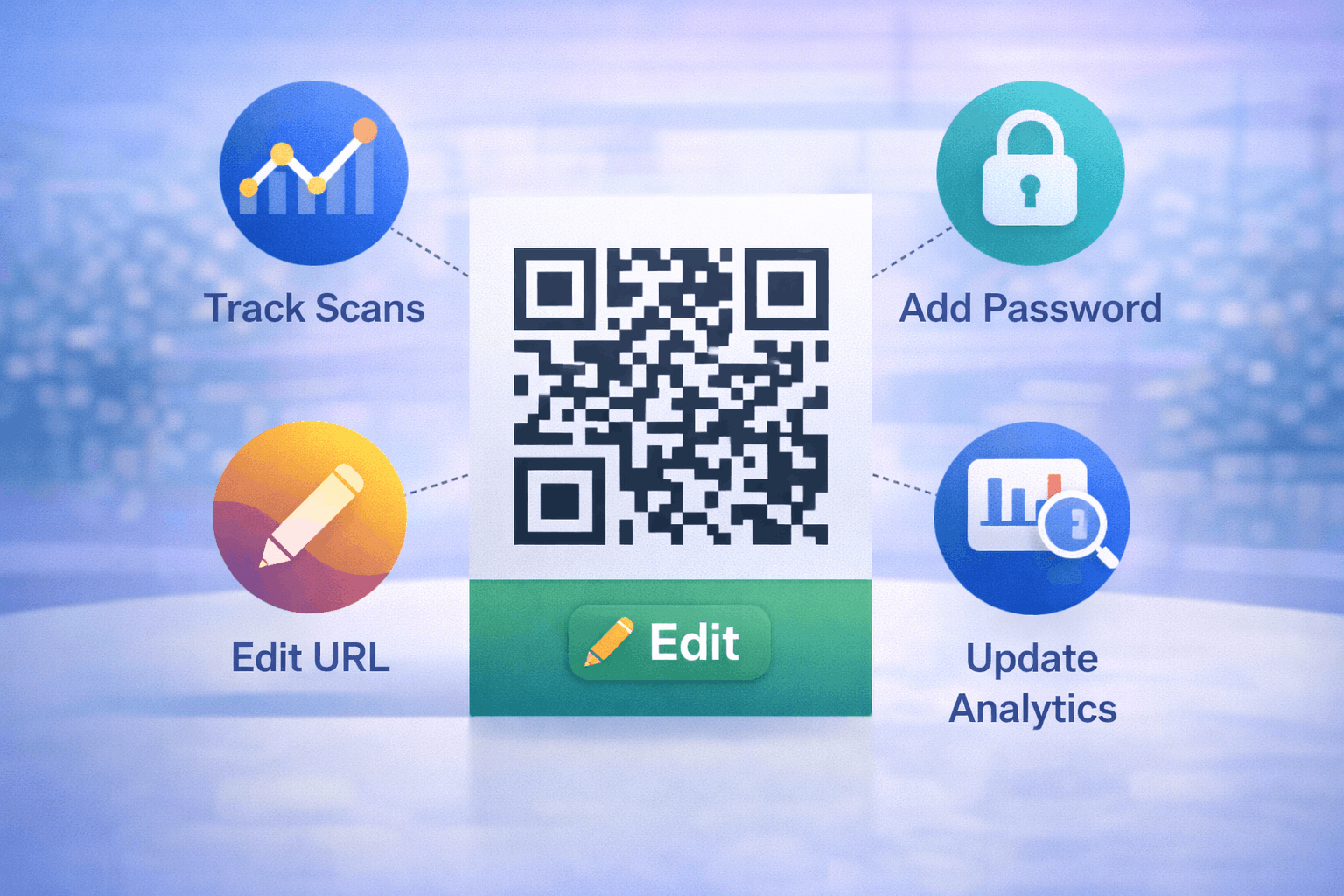
Static QR codes contain fixed information and are suitable for non-sensitive or permanent content. Dynamic QR codes allow healthcare providers to update linked resources without replacing printed materials. This is especially useful for telemedicine links, report access pages, or updated guidelines. For a detailed comparison, refer to Static vs Dynamic QR Codes: When and Why to Use Each. Dynamic QR codes also allow better management of access and engagement tracking.
Compliance, Privacy, and Data Security Considerations
Healthcare institutions must ensure that QR codes link only to secure and compliant systems. Sensitive patient data should not be embedded directly in QR codes. Access controls, encrypted connections, and regulatory compliance frameworks should be followed at all times. QR codes should be tested regularly to confirm correct redirection and secure access.
Best Practices for Implementing QR Codes in Hospitals and Clinics
Use clear labelling to explain what scanning the QR code provides. Avoid placing multiple QR codes in one location without context. Ensure linked pages are mobile-friendly and load quickly. Conduct periodic audits to verify functionality. Train staff on proper usage and explain scanning processes to patients when necessary.
Frequently Asked Questions
- Are QR codes secure for patient data?
QR codes are secure when they link to encrypted and authorized systems. Sensitive data should not be directly embedded in static QR codes.
- Can QR codes reduce administrative workload?
Yes. QR codes streamline form submissions, report access, and appointment confirmations, reducing manual processes.
- Do QR codes require special scanners in hospitals?
No. Most smartphones and standard scanning devices can read QR codes efficiently.
Conclusion
QR codes are transforming healthcare by improving patient safety, enhancing operational workflows, and enabling secure digital access to medical information. From identification and reports to telemedicine and public health communication, QR codes provide scalable and practical solutions for modern healthcare institutions. By selecting the appropriate QR code types and following best practices, healthcare providers can create efficient systems that improve both patient experience and administrative performance.