Quick Summary
QR codes for product packaging allow brands to connect physical products with digital experiences like product details, videos, and offers. They enhance customer engagement, improve transparency, and provide trackable interactions, making packaging more interactive and data-driven.
- 1. What are QR Codes for Product Packaging?
- 2. What is a Product QR Code (2D Barcode QR Code)?
- 3. Why Use QR Codes on Product Packaging?
- 4. How QR Codes on Packaging Work
- 5. Types of QR Codes Used in Product Packaging
- 6. Key Benefits of QR Codes for Product Packaging
- 7. Where to Place QR Codes on Product Packaging for Maximum Scans
- 8. Industry-Wise Use Cases of QR Codes in Packaging
- 9. Best Practices for Using QR Codes on Packaging
- 10. Common Mistakes to Avoid
- 11. When Should You Use QR Codes on Product Packaging?
- 12. Real-World Use Cases of QR Codes on Packaging
- 13. Future of QR Codes in Product Packaging
- 14. How to Create a Product QR Code for Packaging (Step-by-Step)
- 15. FAQs: QR Codes for Product Packaging
- 16. Conclusion
What are QR Codes for Product Packaging?
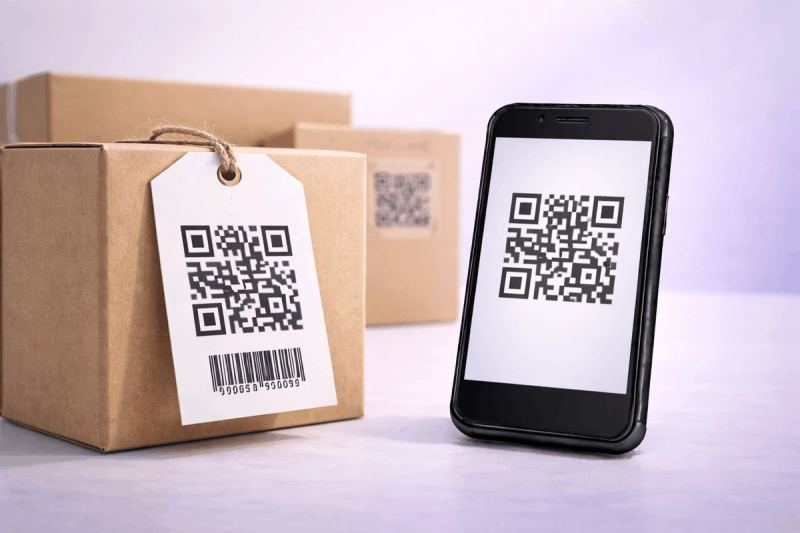
QR codes on product packaging are scannable codes printed on products that link users to digital content.
They bridge the gap between offline packaging and online experiences, allowing brands to share more information than physical space allows.
What is a Product QR Code (2D Barcode QR Code)?
A Product QR Code is a specialized QR code designed to store product-specific data like SKU, batch details, or digital links.
Unlike basic QR codes, it acts as a smart 2D barcode that can be used for tracking, authentication, and enhanced customer interaction.
Why Use QR Codes on Product Packaging?
QR codes transform static packaging into interactive touchpoints for customers.
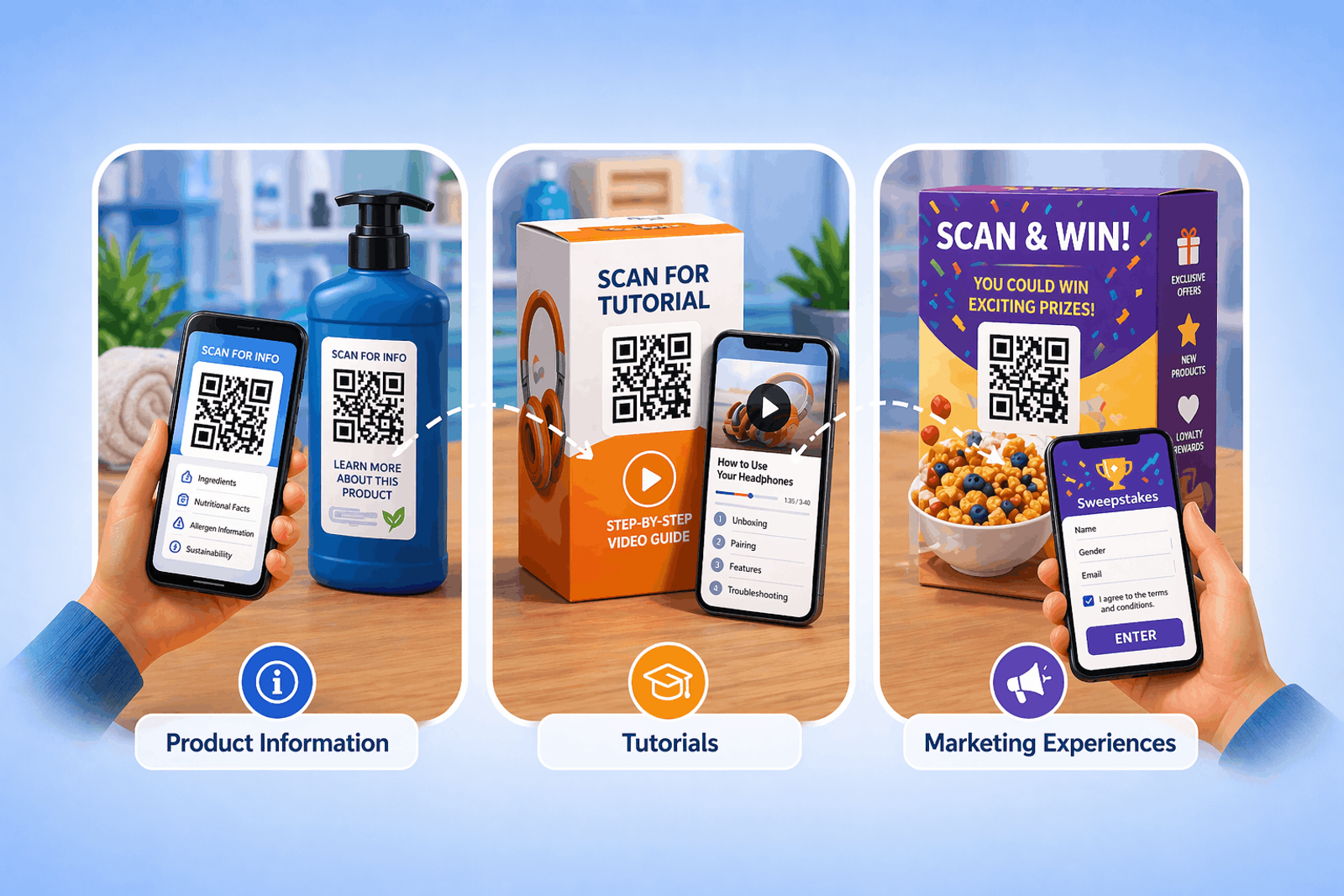
They allow brands to deliver additional value such as tutorials, authenticity verification, and promotions directly through a simple scan.
How QR Codes on Packaging Work
QR codes work by encoding digital information that can be accessed instantly through a smartphone scan.
Once scanned, users are redirected to a landing page, video, or product information, enabling seamless interaction without manual input.
Types of QR Codes Used in Product Packaging
Different QR code types serve different packaging goals depending on the use case.
Choosing the right type ensures better user experience and higher engagement.
- URL QR Code – links to product pages or websites
- PDF QR Code – provides manuals or product guides
- Video QR Code – shows tutorials or demos
- Multi-URL QR Code – redirects based on location or device
- Product QR Code (2D Barcode QR Code) – used for product tracking, authentication, and data storage
For advanced product-level tracking and data storage, using a 2D Barcode QR Code Generator is the most effective approach.
You can also learn the full implementation process in this guide: How to Create a 2D Barcode QR Code.
Key Benefits of QR Codes for Product Packaging
QR codes on packaging provide both marketing and operational advantages.
They improve customer experience while enabling businesses to track and optimize performance.
- Enhanced customer engagement through interactive content
- Increased product transparency and trust
- Real-time tracking and analytics
- Cost-effective marketing tool
- Anti-counterfeiting support
With tools like a QR Code Generator with Analytics, businesses can monitor scans, user behaviour, and campaign performance in real time.
Where to Place QR Codes on Product Packaging for Maximum Scans
QR code placement directly impacts scan rates and usability.
It should be visible, accessible, and aligned with user interaction points.
- Front or back panel for visibility
- Near product instructions
- On labels or tags
- Avoid curved or hard-to-scan surfaces
Industry-Wise Use Cases of QR Codes in Packaging
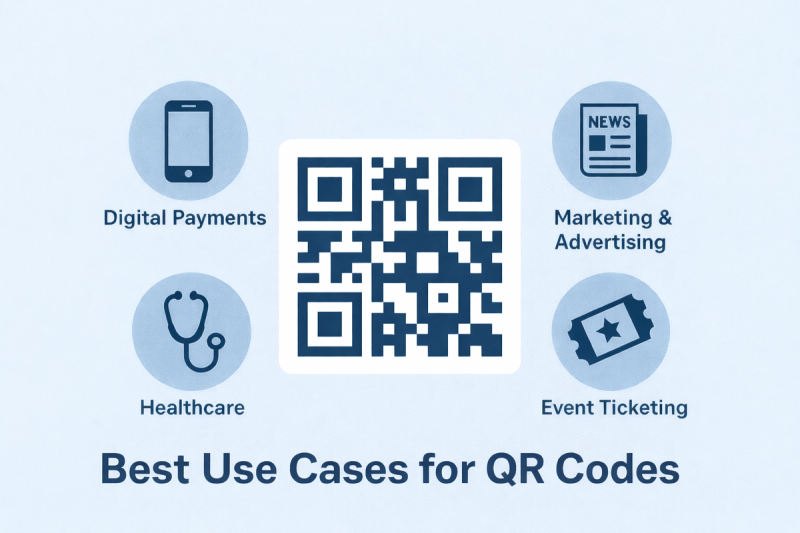
QR codes are widely used across industries to improve user experience and operational efficiency.
They adapt easily to different product types and customer needs.
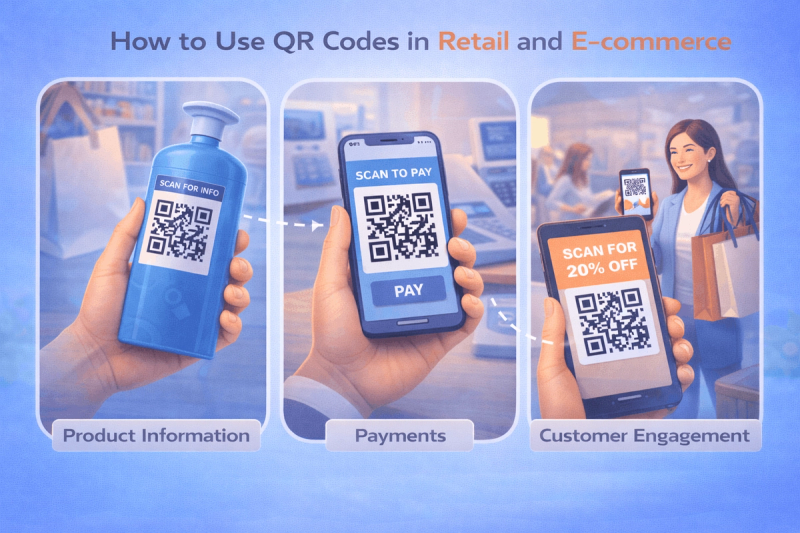
- FMCG & Retail – product details and offers
- Food & Beverage – ingredients and sourcing transparency
- Cosmetics & Beauty – tutorials and authenticity checks
- Electronics – manuals and setup guides
- Pharma & Healthcare – dosage and verification
Businesses can scale packaging campaigns efficiently using a Bulk QR Code Generator for large product inventories.
Best Practices for Using QR Codes on Packaging
Using QR codes correctly ensures higher scan rates and better performance.
Small design or placement mistakes can reduce effectiveness significantly.
- Use high contrast color's
- Ensure proper size for scanning
- Add a clear call-to-action
- Test before printing
To improve scan performance and branding, consider using a Custom QR Code Generator for better design control.
Common Mistakes to Avoid
Avoiding common mistakes helps maximize the effectiveness of QR codes on packaging.
Poor implementation can lead to low engagement or failed scans.
- Placing QR codes too small
- Using low contrast color's
- Not testing before printing
- Linking to non-mobile-friendly pages
When Should You Use QR Codes on Product Packaging?
QR codes should be used when you want to enhance product experience beyond physical packaging.
They are ideal for brands that want to provide more information, track engagement, or build stronger customer relationships.
- Use it if you want interactive packaging
- Avoid it if your audience has low smartphone usage
- Best suited for marketing-driven or information-heavy products
For businesses aiming to scale digital experiences, a QR Code Generator for Business provides advanced features and flexibility.
Real-World Use Cases of QR Codes on Packaging
Brands use QR codes to create interactive and informative packaging experiences.
These use cases show how QR codes add real value beyond basic functionality.
- Product authentication and anti-counterfeiting
- Interactive storytelling and brand engagement
- Loyalty programs and promotions
- Supply chain tracking
Future of QR Codes in Product Packaging
QR codes will continue to evolve as part of smart packaging and connected products.
They will play a key role in bridging offline products with digital ecosystems and data-driven marketing.
How to Create a Product QR Code for Packaging (Step-by-Step)
Creating a product QR code allows you to connect your packaging with digital content and tracking systems.
Follow these steps to ensure optimal performance and usability.
- Choose your QR code type: Select a Product QR Code (2D Barcode) if you need tracking, authentication, or structured product data. You can explore all formats under QR Code Types.
- Add details and Customize: Enter product information such as links, SKU, or digital content. Customize the design while maintaining scan readability using a Dynamic QR Code Generator.
- Download and Share: Test the QR code before printing and ensure it works across devices using an Online QR Code Generator.
Tools like the QR Code Generator on Enqode QR follow this same flow, making it easy to create and manage QR codes effectively.
FAQs: QR Codes for Product Packaging
- What can QR codes on packaging do?
They can link to product information, videos, manuals, or promotional content.
- Are QR codes safe for product packaging?
Yes, when linked to secure and trusted sources, they are safe and reliable.
- What size should a QR code be on packaging?
It should be large enough to scan easily, typically at least 2 x 2 cm depending on distance.
- Can QR codes track user behavior?
Yes, dynamic QR codes can provide analytics like scans, location, and device data.
- Do QR codes work without internet?
No, most QR codes require internet access to load linked content.
Conclusion
QR codes for product packaging transform traditional packaging into interactive, trackable, and engaging experiences.
They offer a powerful way to connect with customers, improve transparency, and drive better marketing outcomes.